Business
Palestinian Election Delay Extends Political Risk Over Gaza Recovery
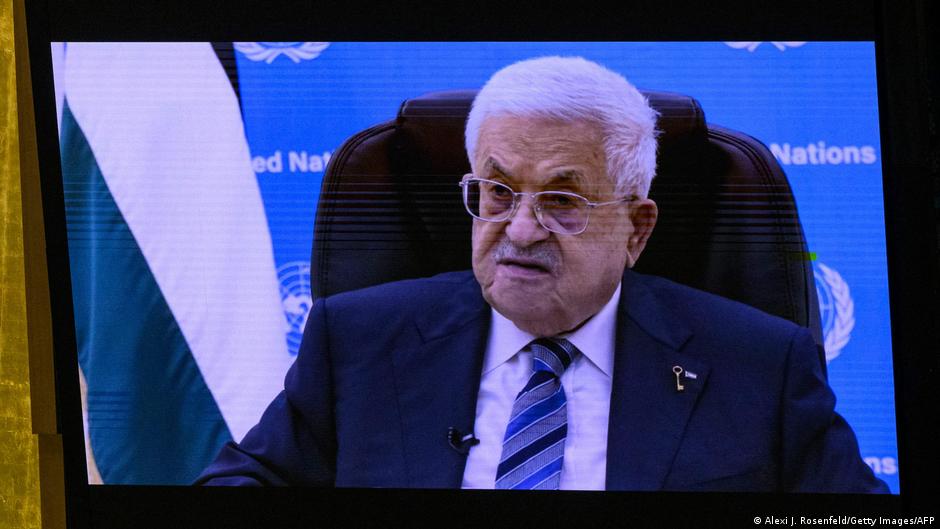
Abbas delayed Palestinian national elections to Sept. 11, 2027, prolonging governance uncertainty watched by regional investors.
Editorial Team·
·3 min
Abbas delayed Palestinian national elections to Sept. 11, 2027, prolonging governance uncertainty watched by regional investors.
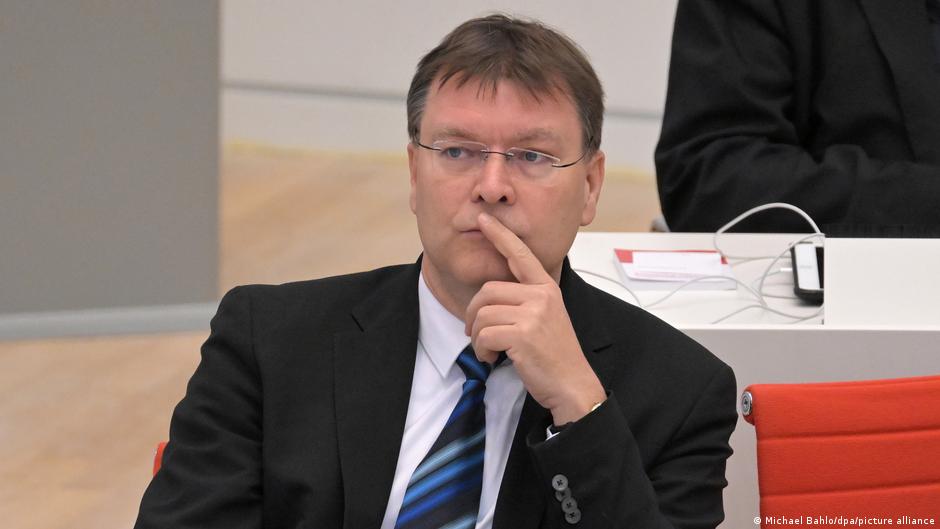
BSW lawmaker Sven Hornauf plans delegations to Belarus and Russia, underscoring political risks investors are tracking in Germany.
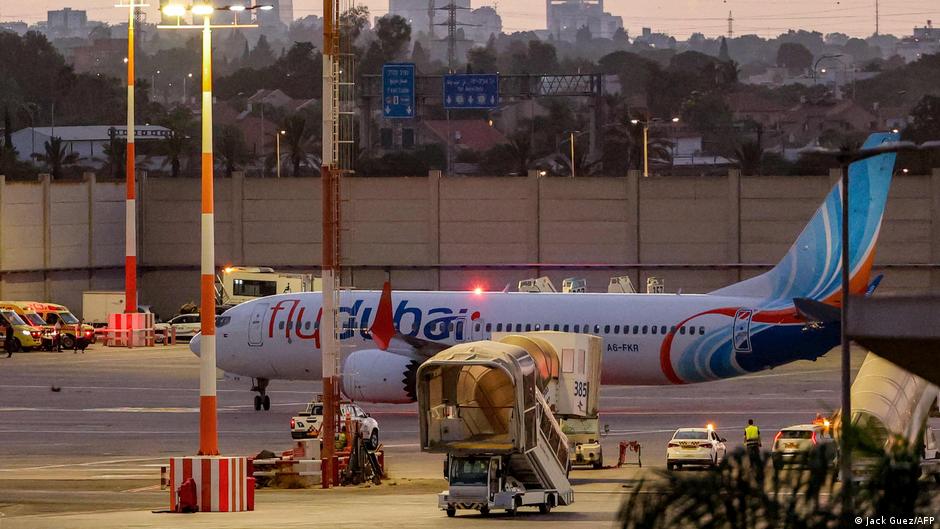
Flydubai halted Israel flights after an emergency landing in Saudi Arabia, adding security and regulatory risk for aviation investors.
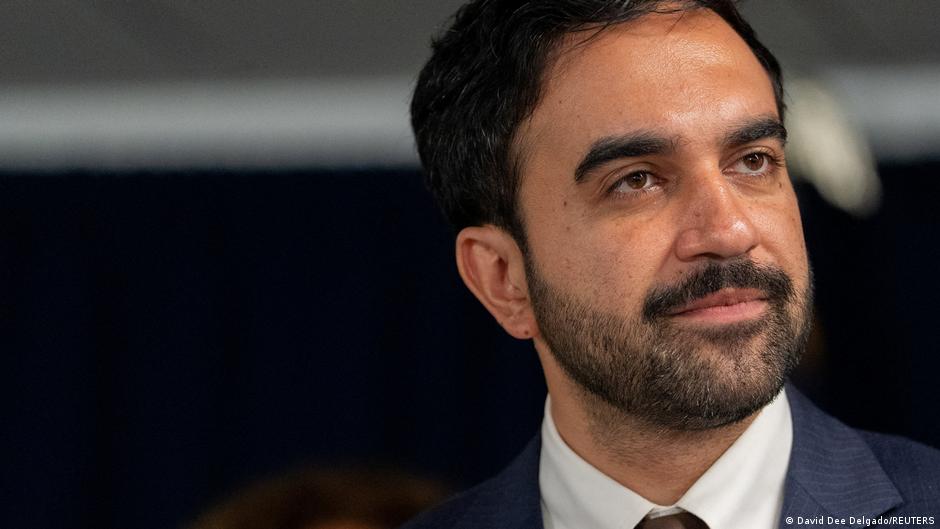
Mayor Zohran Mamdani’s antisemitism plan raises hate-crime funding to $29 million, adding a fiscal and political signal for New York investors.
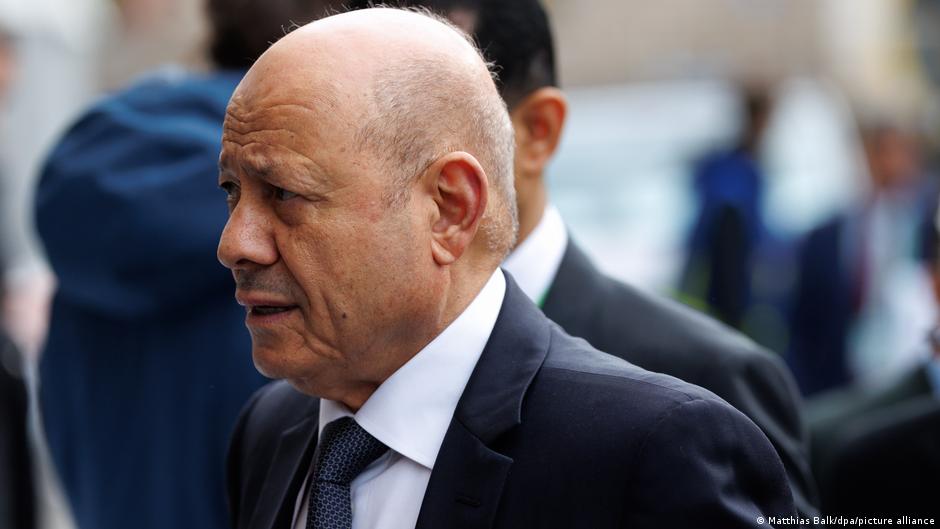
Yemen’s mobilization call adds to investor concerns over Red Sea shipping, Gulf oil exports, energy prices and regional market risk.
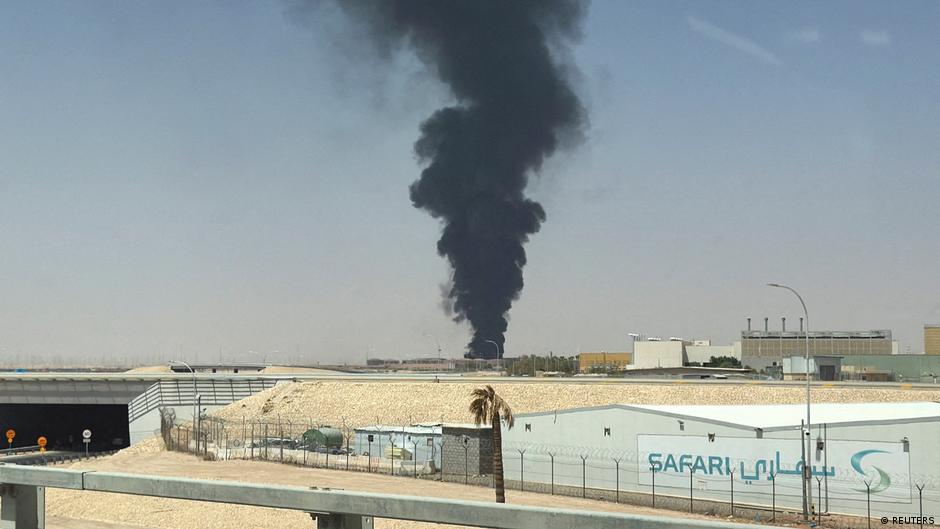
Saudi Arabia said it intercepted a Houthi missile aimed at Riyadh, heightening investor concern over Aramco assets and Red Sea oil routes.
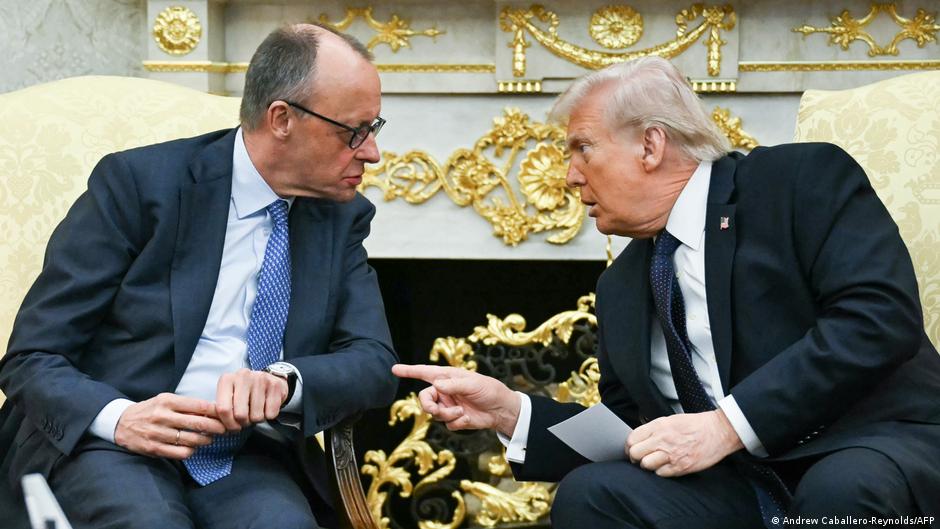
Merz said unconditional U.S.-German friendship may be over, pointing to defense spending, trade tensions and growth risks for investors.
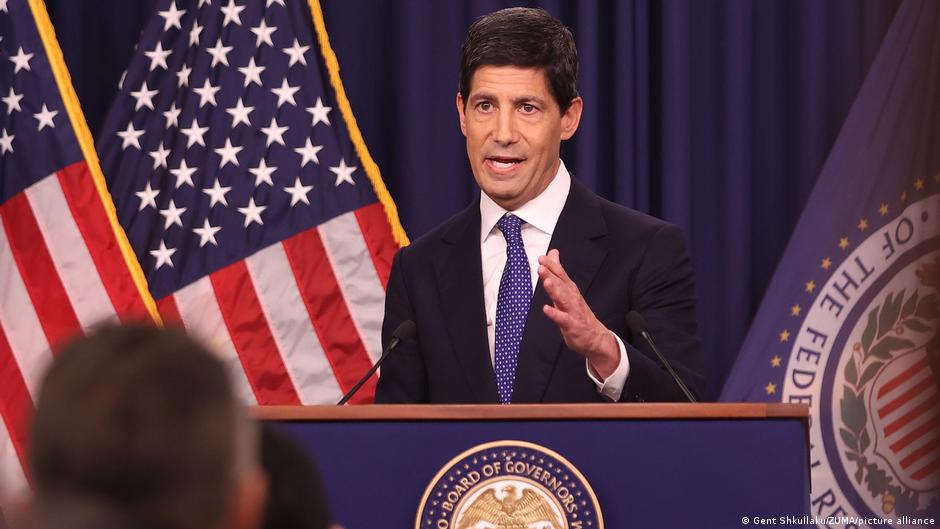
The Fed raised rates to 3.75%-4.00% for the first time in three years, shifting investor focus back to inflation, yields and equity valuations.

Houthi forces captured Mocha, strengthening their position near Bab el-Mandeb and raising investor concerns over oil supply and market volatility.
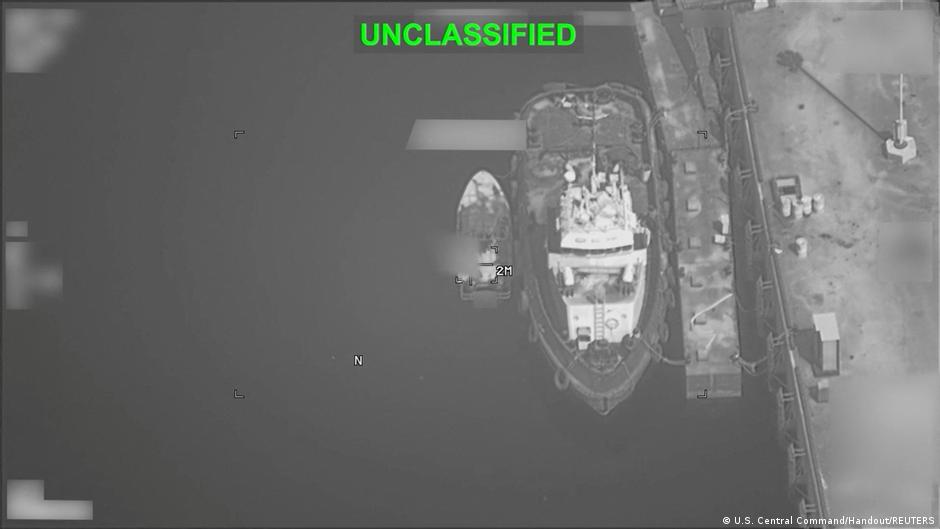
CENTCOM said it destroyed five Iranian oil tankers after missile attacks on a U.S. Navy ship, sharpening market focus on Hormuz risk.
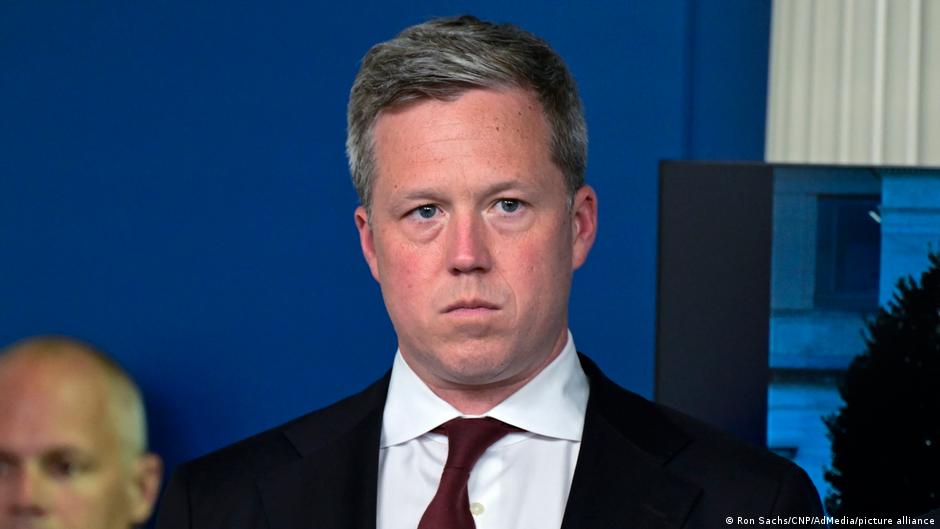
Daniel Driscoll’s resignation after a clash with Pete Hegseth adds uncertainty for defense investors watching Pentagon leadership and procurement policy.
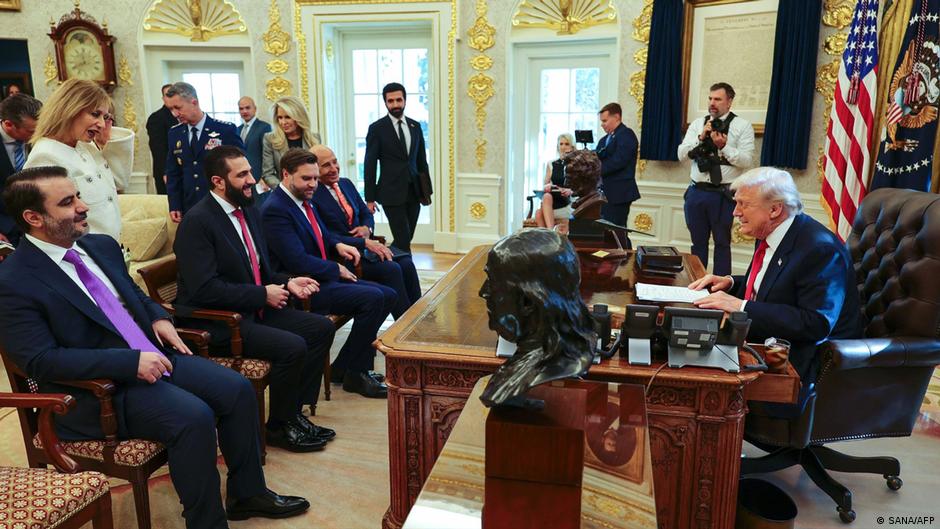
The US has removed Syria from its terrorism sponsor list, easing sanctions and opening potential investment avenues amid ongoing regional tensions and market uncertainties.

Jared Kushner’s talks with Hamas highlight ongoing Middle East tensions that continue to influence investor risk and market volatility in regional equities and bonds.
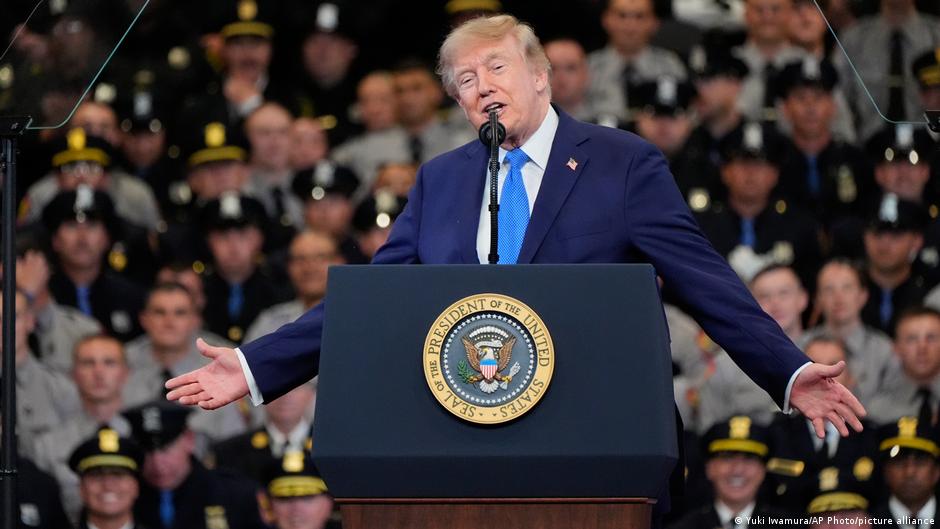
President Trump’s move to declare the Strait of Hormuz US territory signals indefinite military deployment, escalating geopolitical risks and impacting global oil markets and investments.
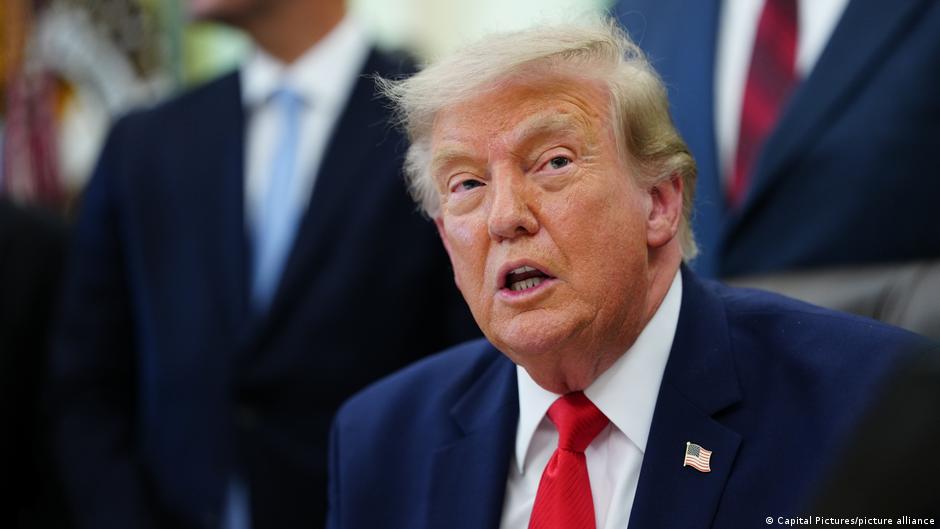
US President Trump announced a historic Hamas disarmament deal, signaling potential easing of Middle East tensions and impacting regional equities and bonds.
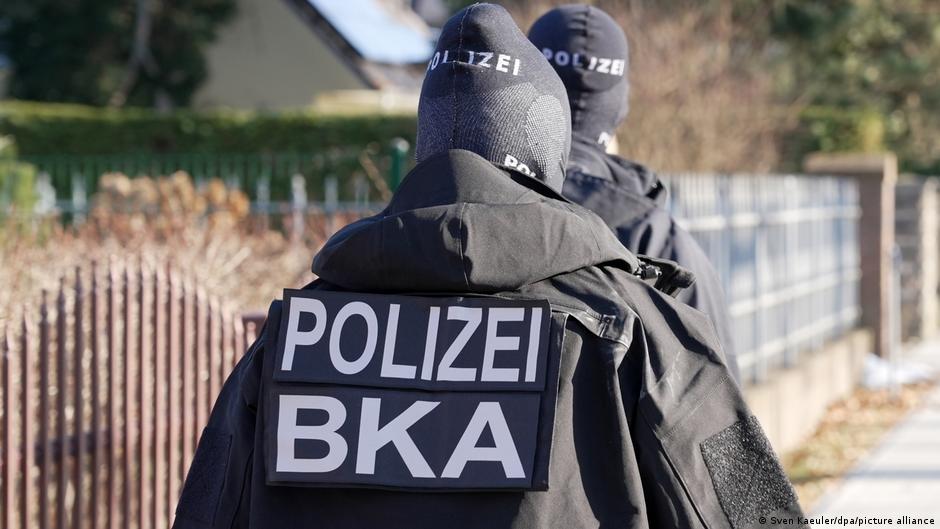
Germany reports 410 individuals posing Islamist threats amid rising radicalization, impacting investor confidence and market stability in key sectors amid recent violent incidents.
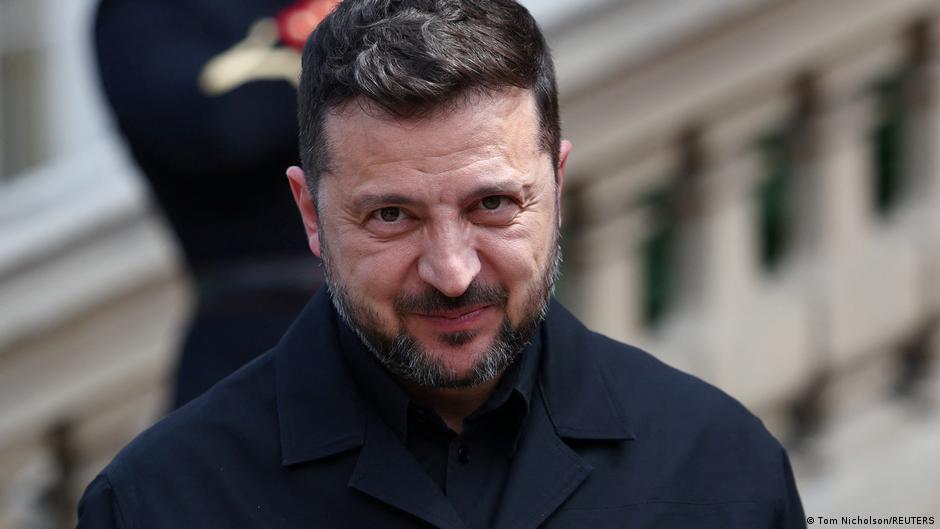
Ukrainian President Zelensky meets all 100 US Senators in Washington as the Senate votes on new sanctions against Russia, impacting global equities and bond markets amid geopolitical tensions.
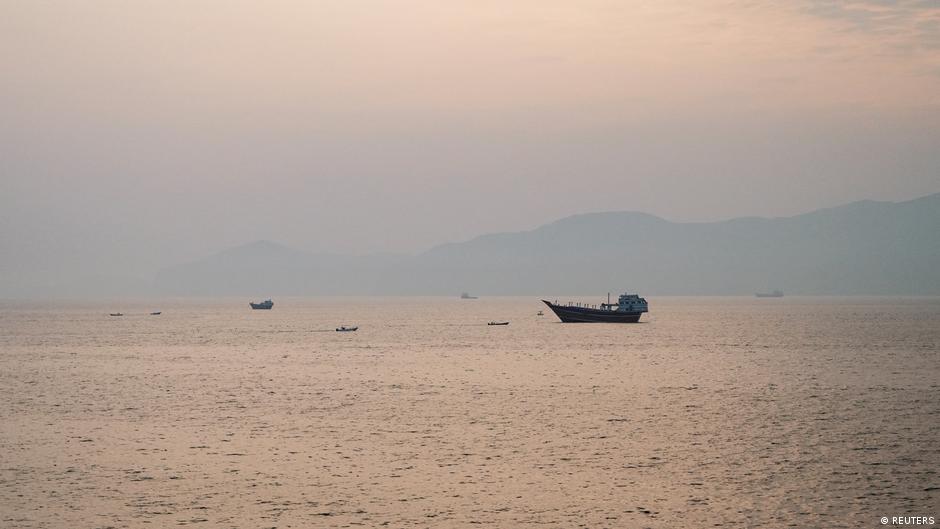
Iran’s IRGC mined an oil tanker in the Strait of Hormuz, raising regional tensions and impacting energy markets and shipping risks for investors.
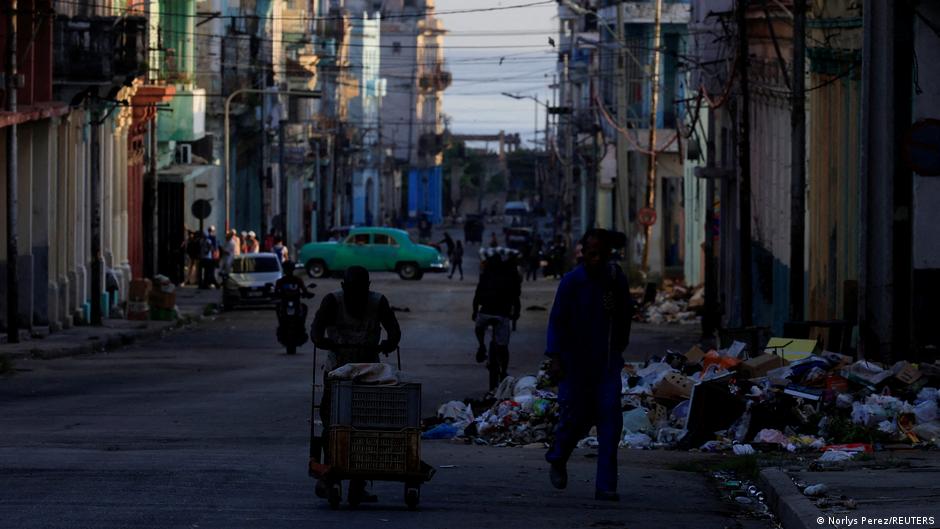
The US initiated $100 million humanitarian aid to Cuba despite sanctions and military tensions, posing complex challenges for investors in Caribbean markets.
The IMF has approved a €604 million tranche for Ukraine under its EFF program, supporting economic stability amid war and reform delays, impacting capital markets and investor confidence.
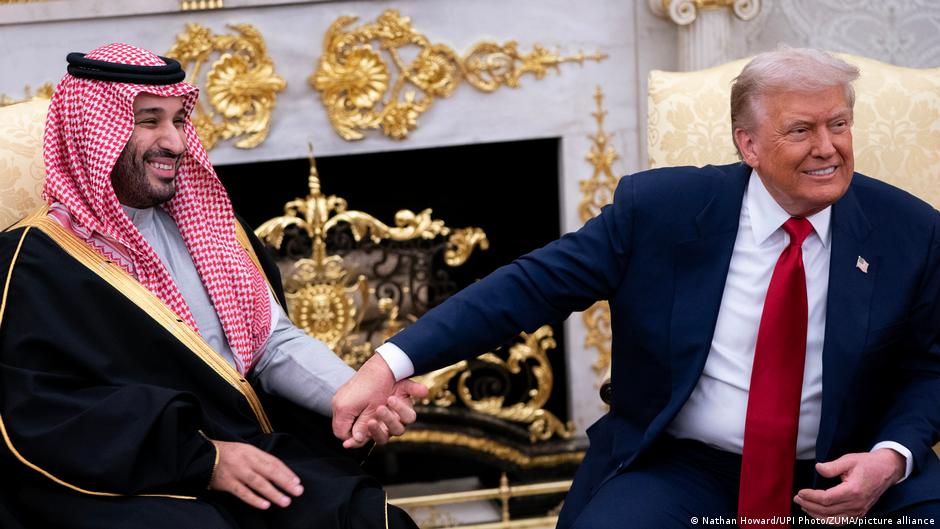
US plans to permit Saudi uranium enrichment without strict safeguards raise geopolitical risks, impacting equities and bonds in Middle Eastern markets.

Iran’s mourning of Ayatollah Khamenei amid leadership uncertainty and renewed regional conflict raises geopolitical risks, impacting markets and investor confidence.
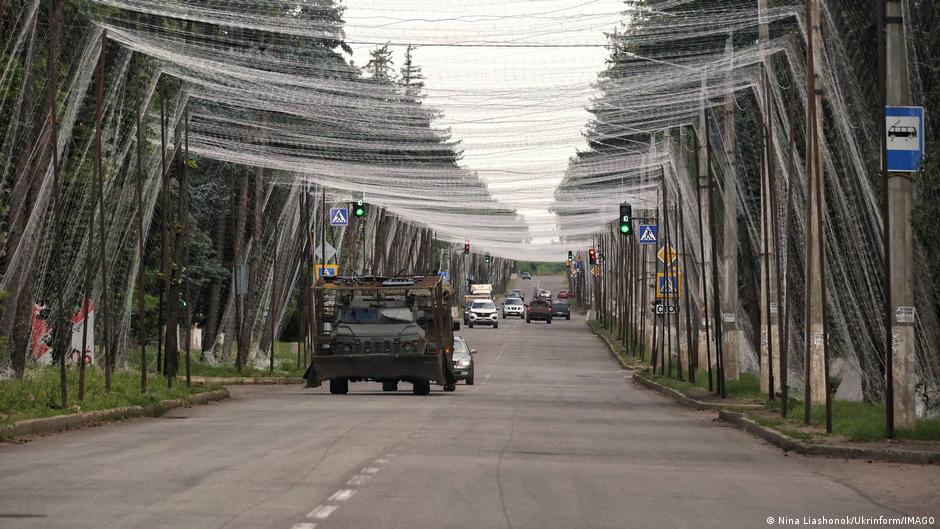
Russian drone and missile strikes on Ukraine fell significantly in June, raising cautious optimism but sustained uncertainty for investors amid ongoing conflict dynamics.
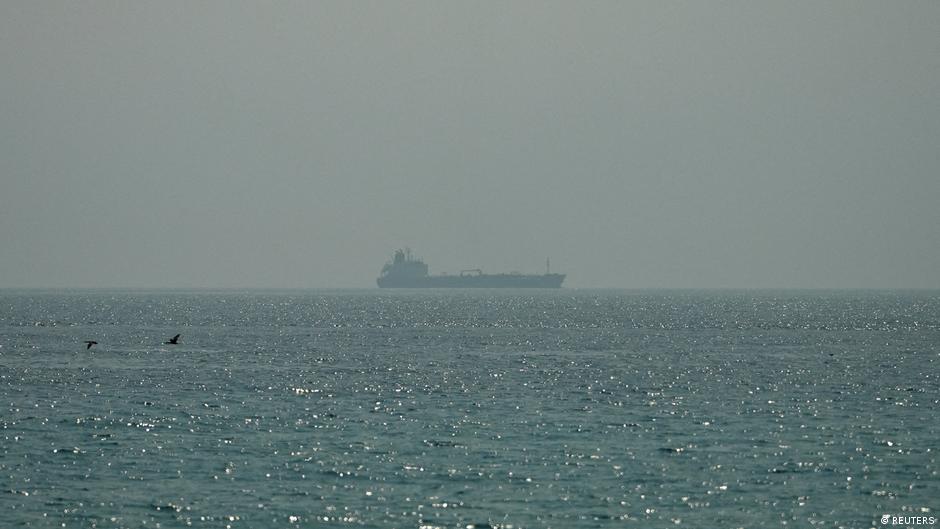
The US and Iran agree on a temporary ceasefire until June 30 talks on Strait of Hormuz navigation, easing oil price volatility and reducing geopolitical risks for investors.
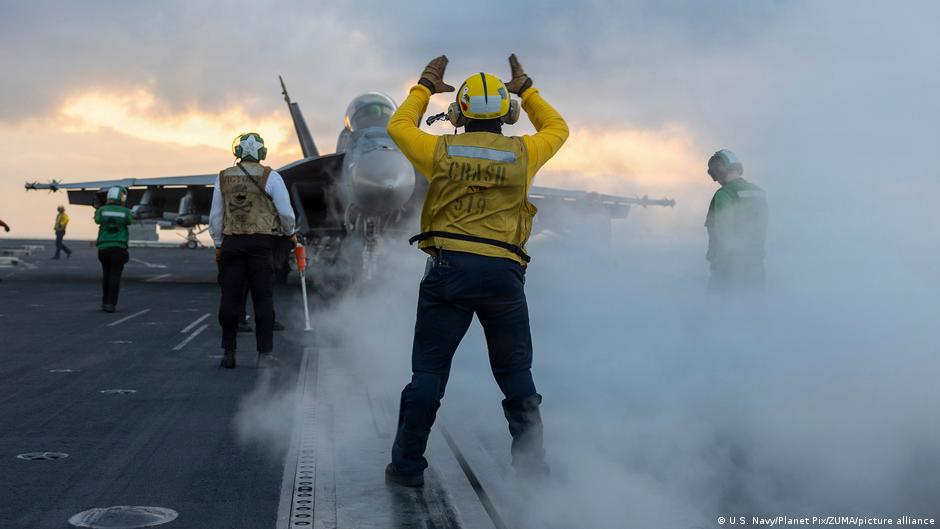
US and Iran exchanged military strikes after an Iranian drone attacked a merchant vessel in the Strait of Hormuz, causing oil prices to rise and increasing market volatility.
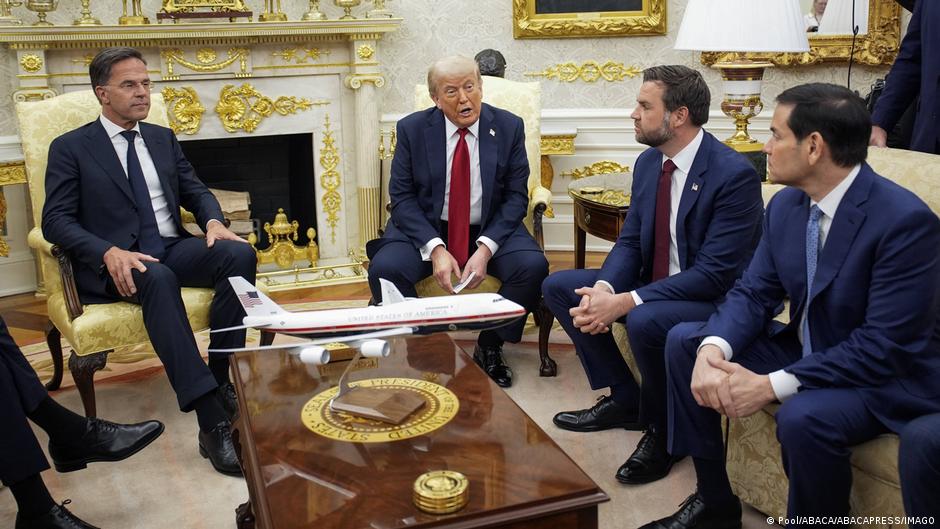
Former President Trump praises Zelensky's leadership amid the Ukraine conflict, influencing market sentiment as investors weigh geopolitical risks and sanctions impacts.

US and Iran agree on a communication channel for the Strait of Hormuz, easing geopolitical risks and potentially stabilizing energy markets and investor sentiment.
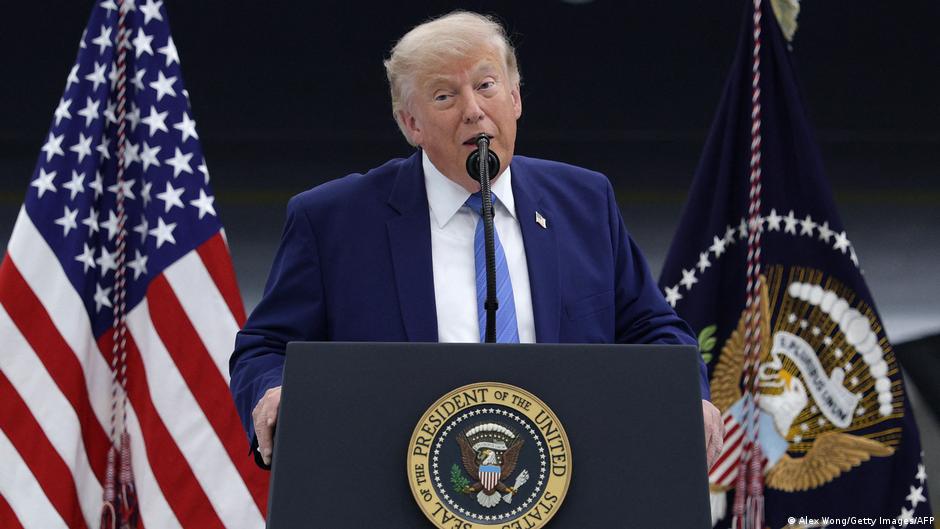
President Trump threatens a transit fee for ships passing the Strait of Hormuz if the US-Iran deal fails, raising oil market and investor uncertainty amid regional tensions.
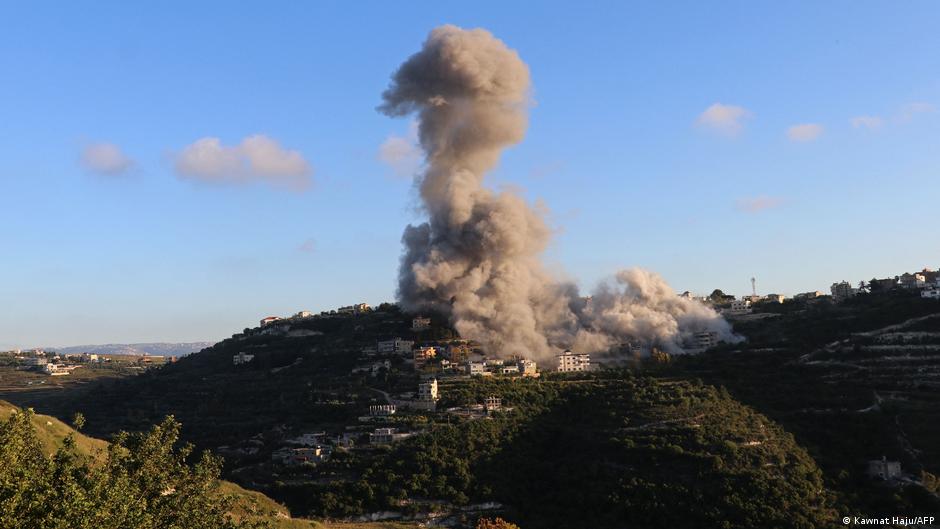
US intelligence warns Israel may disrupt US-Iran deal, raising geopolitical risks that heighten market volatility and affect investor strategies in equities and bonds.
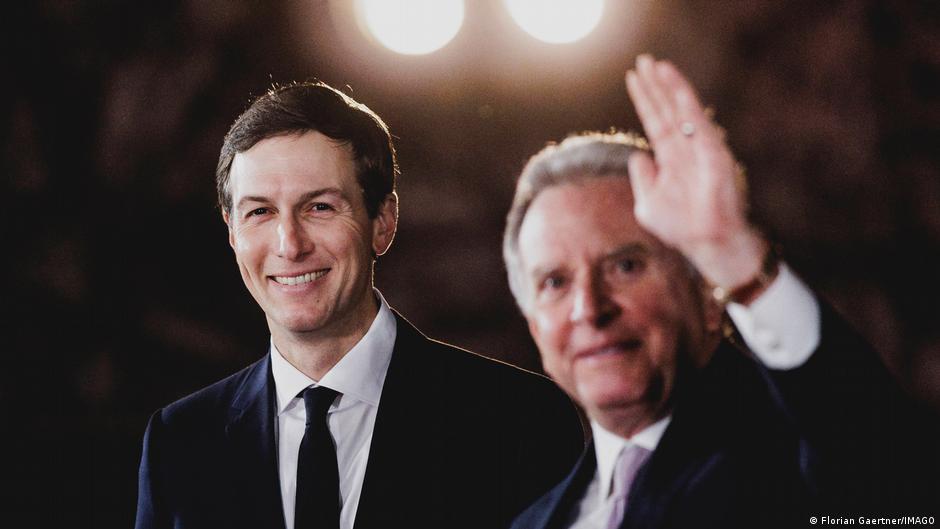
US envoy Whitcraft’s arrival in Switzerland for nuclear talks with Iran introduces fresh geopolitical risks that could impact equities, bonds, and investor sentiment.
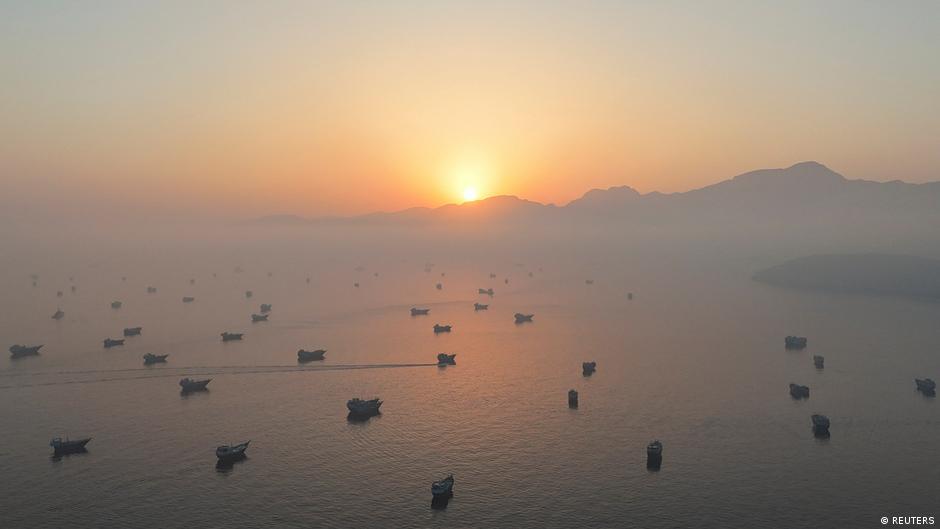
The US has lifted its blockade of the Strait of Hormuz, reopening vital oil transit routes and initiating negotiations with Iran, impacting global energy markets and investor confidence.
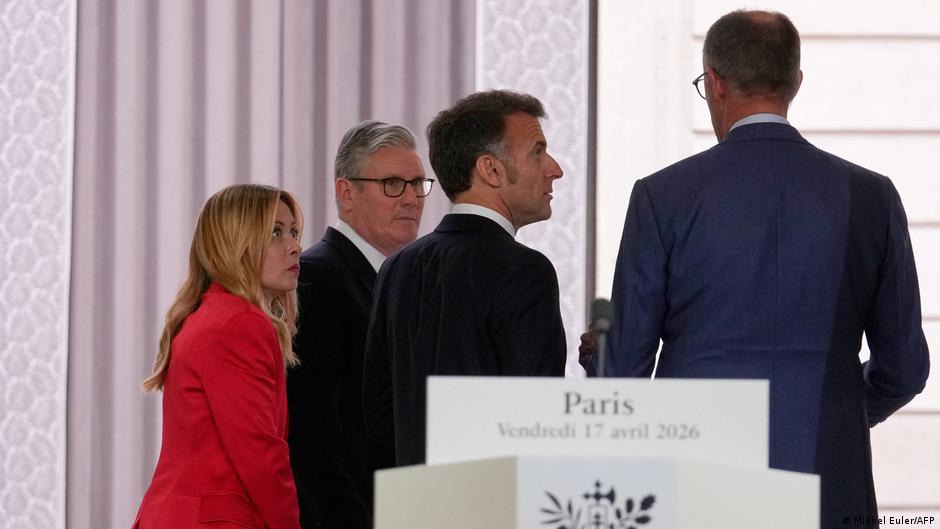
European leaders welcome the US-Iran peace deal, emphasizing regional stability, nuclear non-proliferation, and potential easing of market risks, particularly in energy sectors.
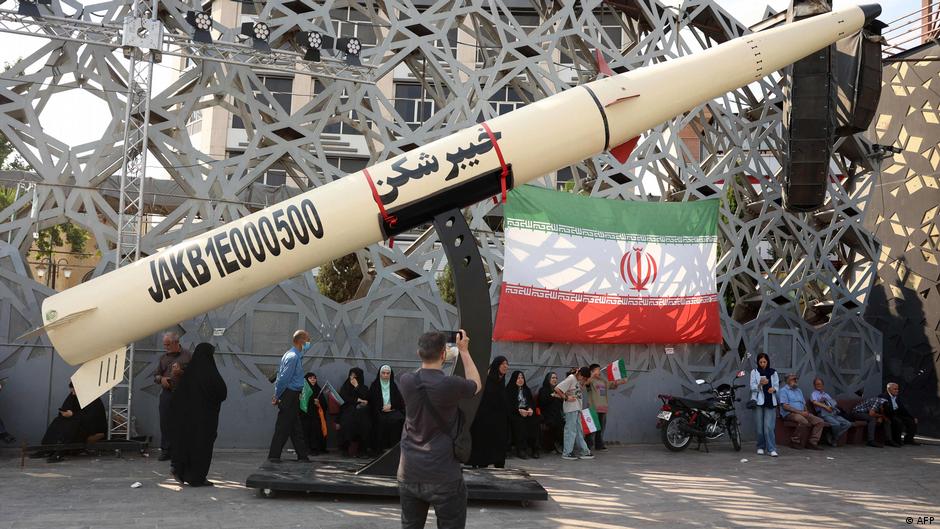
Iran has replenished about 75% of its missile arsenal, likely aided by new Russian missile deliveries, fueling geopolitical risks that affect defense equities and energy markets.
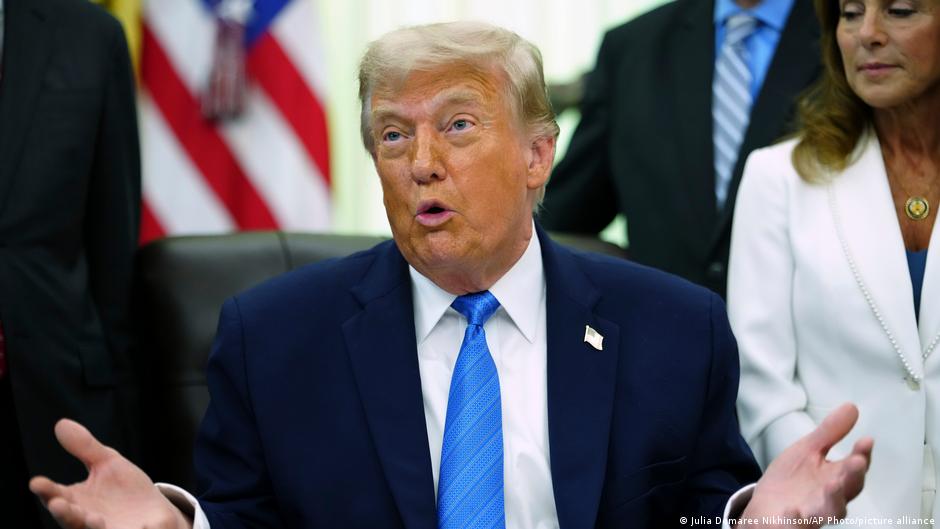
US President Trump cancels planned strikes on Iran amid diplomatic progress, easing geopolitical risks and stabilizing oil and equity markets.
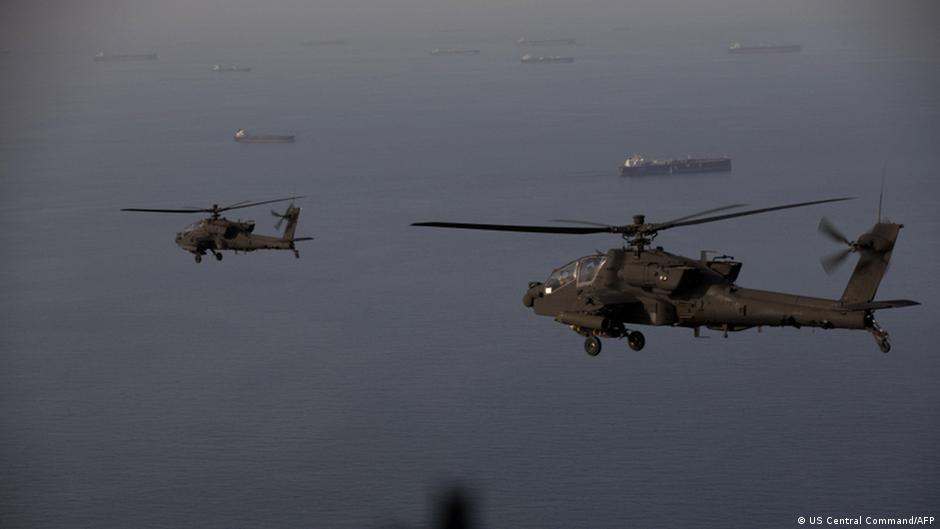
US military strikes on Iranian targets following the downing of an Apache helicopter have intensified regional tensions, impacting energy prices and investor sentiment.
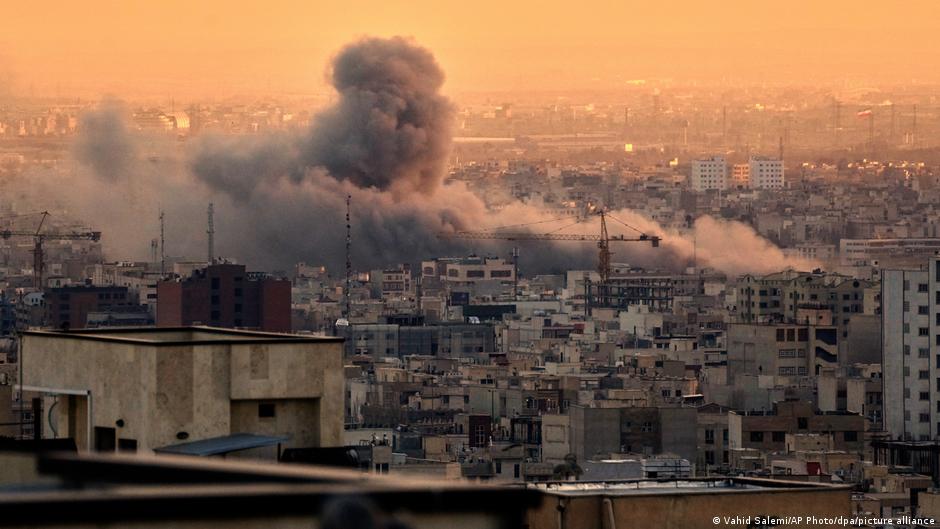
Israeli and Iranian military exchanges intensify amid US-led peace talks, causing volatility across equities and bonds as investors assess geopolitical risks.
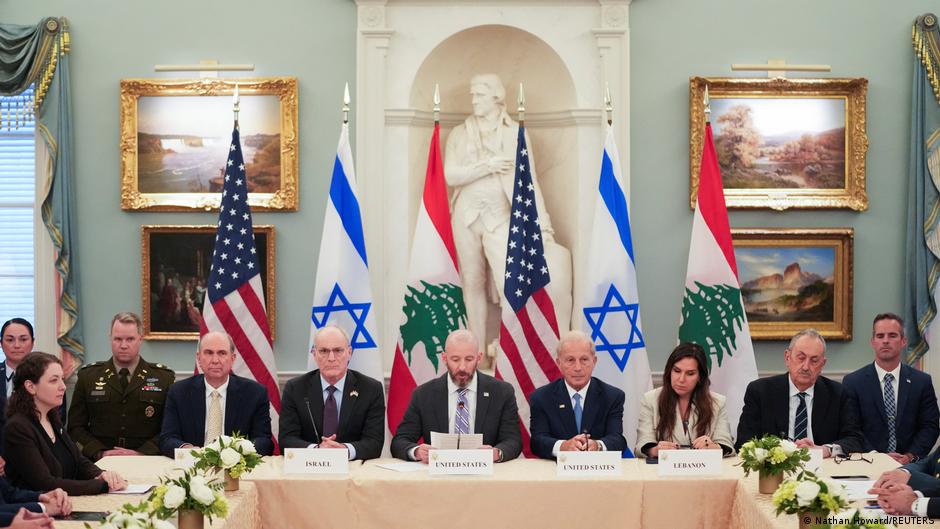
The US-brokered ceasefire between Israel and Lebanon prompts cautious optimism in equities and bond markets amid ongoing geopolitical risks in the Middle East.
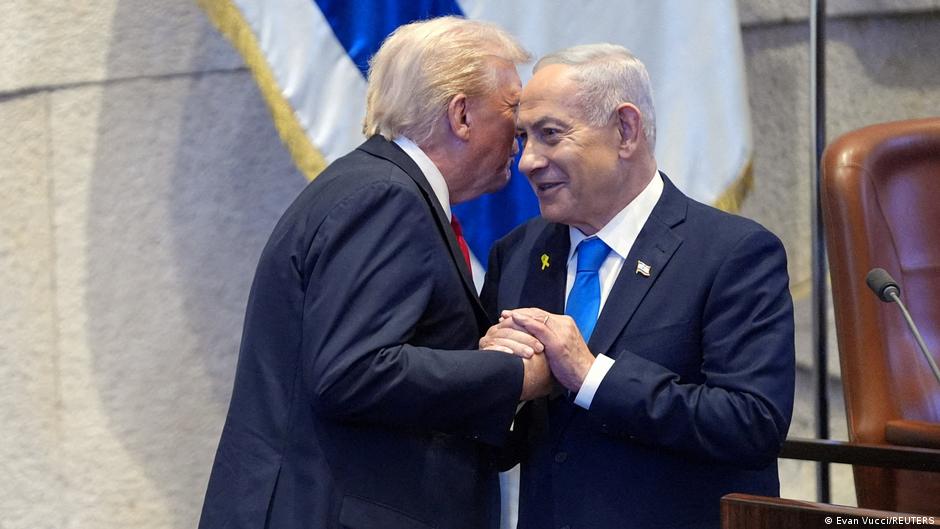
Tensions rise after Israeli strikes in Lebanon and US President Trump’s harsh criticism of Netanyahu, heightening geopolitical risks impacting equities and bonds.
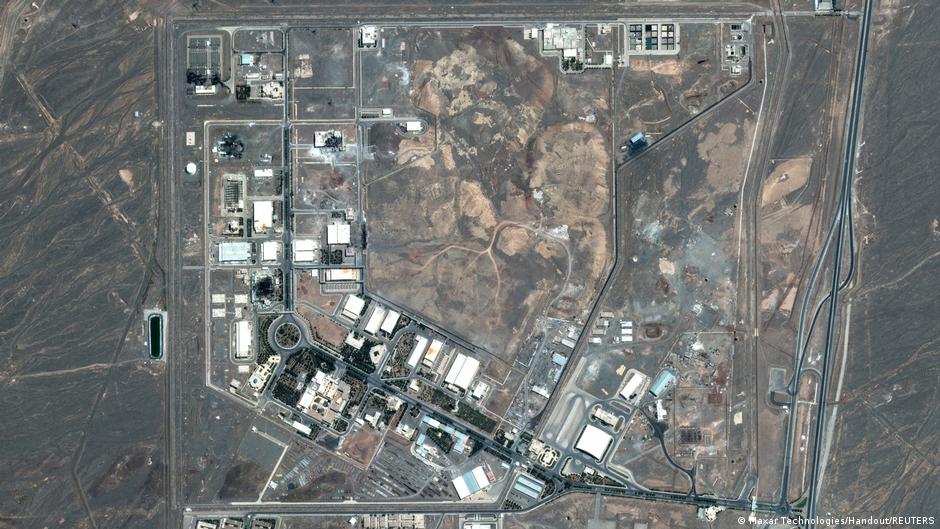
Trump states Iran's enriched uranium will be destroyed either in the US or under IAEA oversight, increasing geopolitical tensions with potential impacts on global capital markets.

Hungary reinstates a ban on Ukrainian agricultural imports, affecting regional trade and agricultural markets, while reversing its exit from the International Criminal Court.
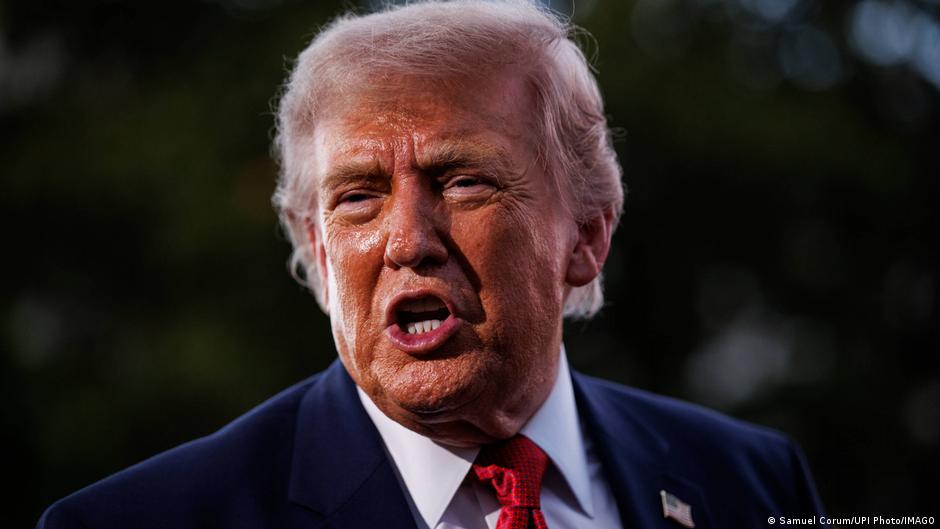
The US reversal to deploy 5,000 additional troops to Poland alters previous Pentagon plans, influencing defense markets and investor outlooks on transatlantic military commitments.
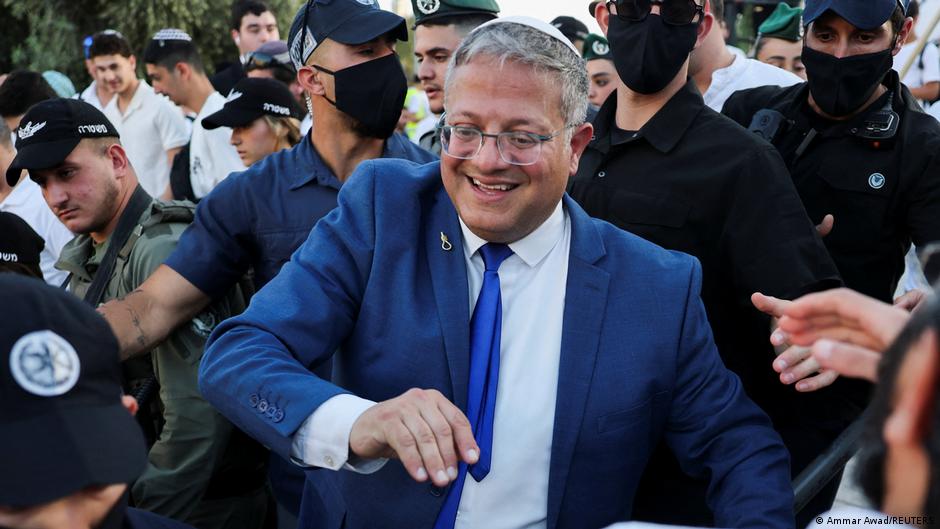
Western condemnation of Israel's treatment of detained activists has sparked diplomatic tensions, raising concerns about market volatility and investor risk in the region.
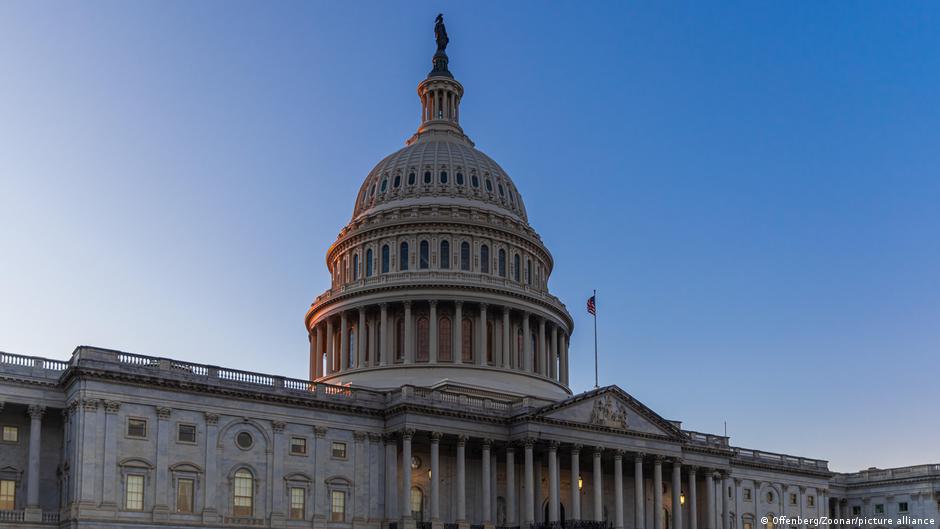
The US Senate advanced a resolution limiting presidential war powers against Iran, influencing market stability amid ongoing geopolitical tensions.
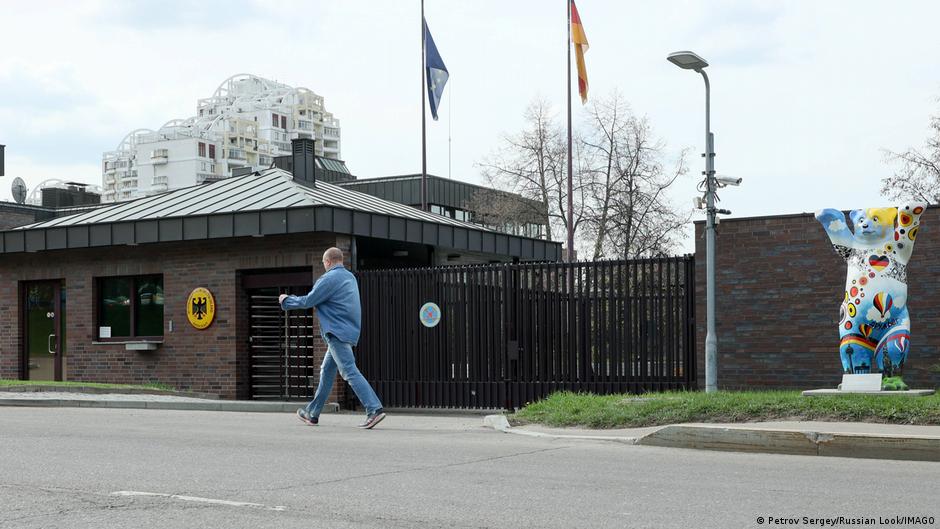
Moscow’s approval of Clemens von Goetze as Germany’s new ambassador highlights diplomatic continuity amid strained relations, impacting investor sentiment in capital markets.
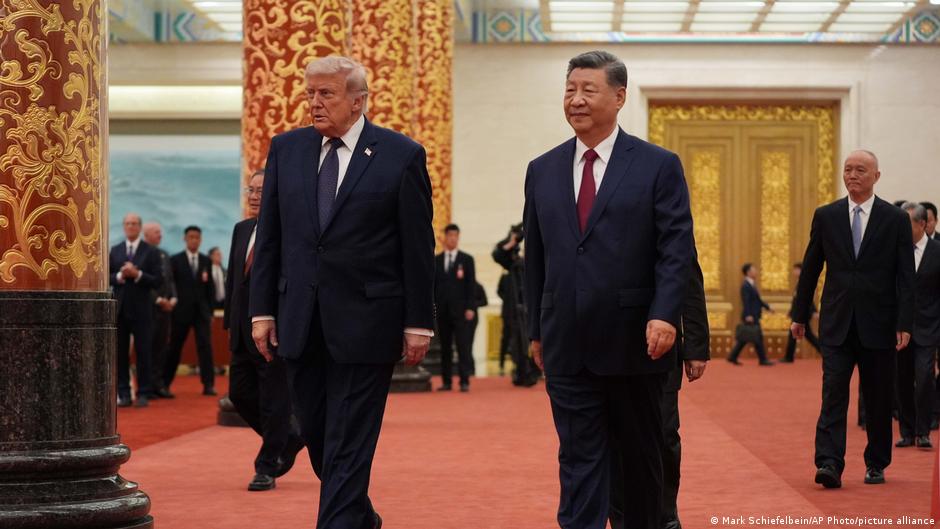
China's renewed interest in U.S. oil and soybeans after talks with Trump may shift commodity markets and impact investor strategies amid evolving trade and geopolitical dynamics.
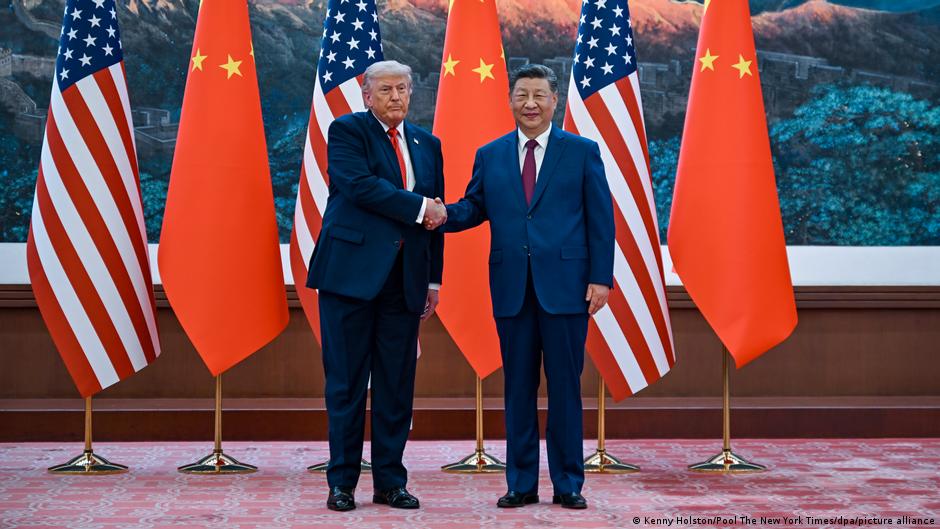
Trump and Xi Jinping meet in Beijing to discuss Iran, trade, and Taiwan, with investors closely watching for impacts on global markets and trade relations.
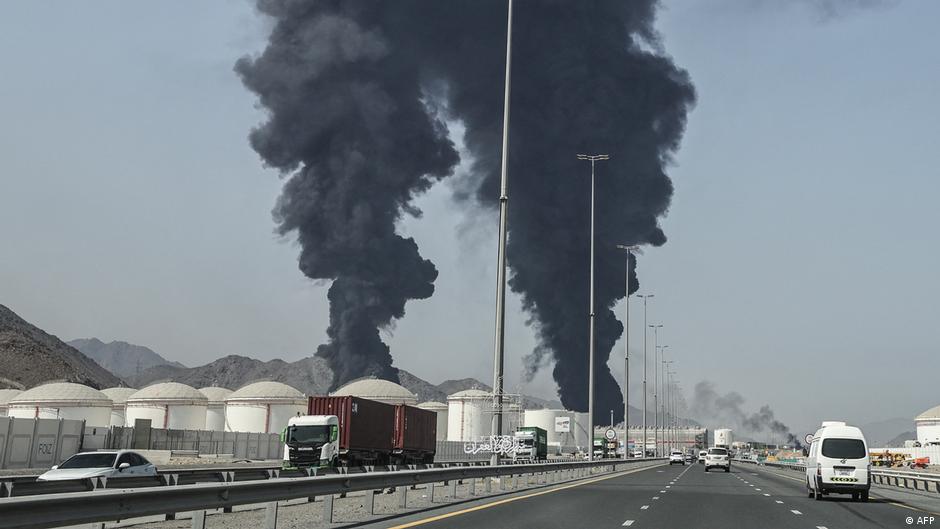
UAE’s undisclosed strikes on Iran raise regional tensions, impacting Gulf equities, bonds, and investor confidence amid ongoing conflict.
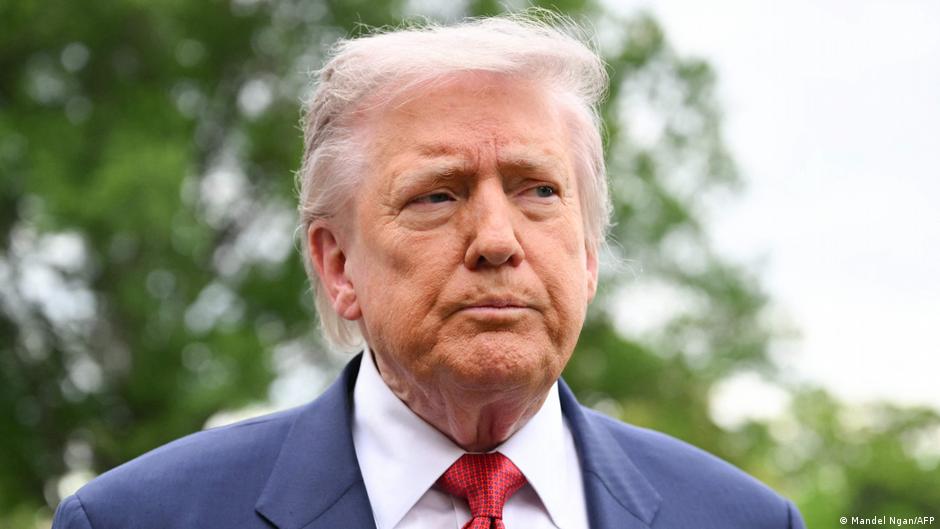
US plans to relocate 5,000 troops from Germany to Poland may affect European equities, bonds, and investor sentiment amid shifting geopolitical dynamics.
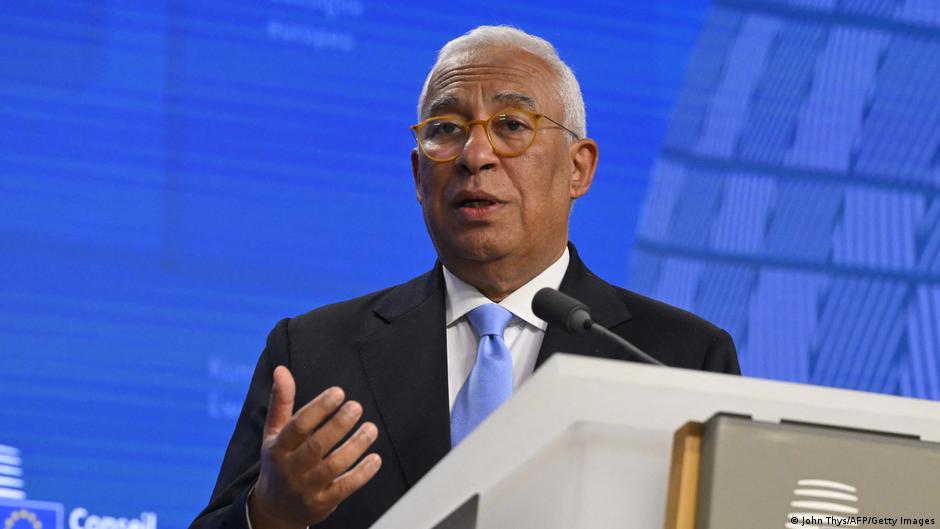
EU leaders prepare for possible talks with Russia, a development causing market volatility and influencing investor risk assessments amid ongoing geopolitical tensions.
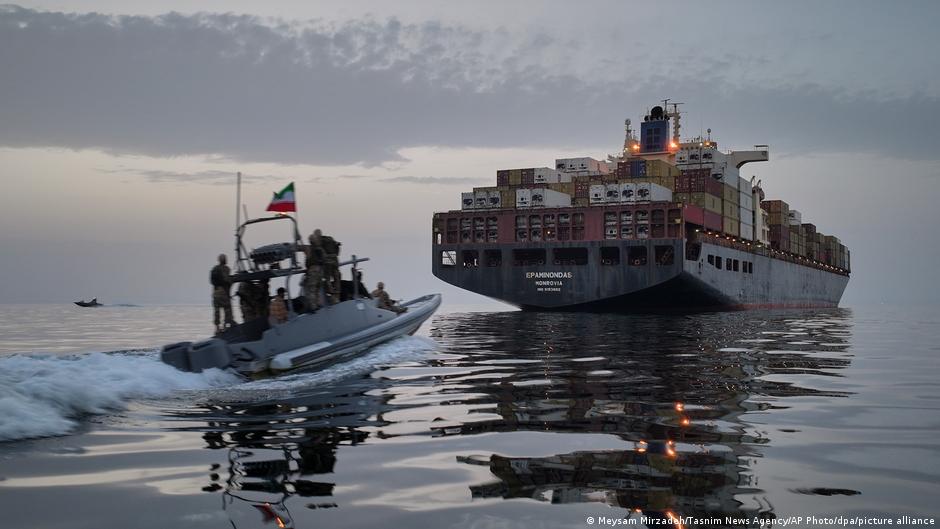
Iran's new shipping declaration for the Strait of Hormuz could disrupt oil transit and impact energy markets amid rising geopolitical tensions.