Airlines Cut Flights Amid Rising Fuel Costs, Impacting Aviation Market Capacity
Global airline capacity expected to shrink by 3% in May due to soaring jet fuel prices tied to Middle East conflict.
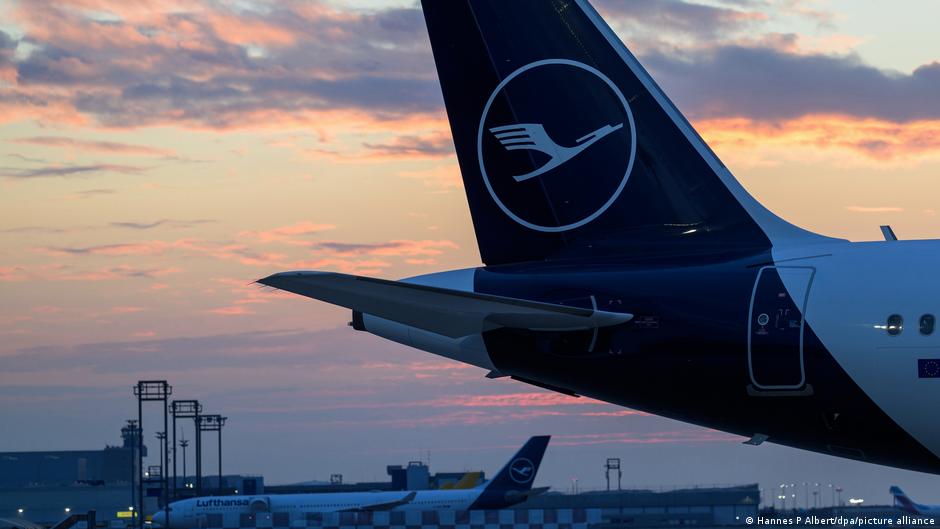
Airlines worldwide are scaling back flight schedules as jet fuel prices surge amid escalating geopolitical tensions in the Middle East, particularly the ongoing conflict involving Iran. This development is prompting market participants to anticipate reductions in airline capacity and operational profitability, with implications for aviation stocks and related bond markets.
Fuel Price Surge Triggers Capacity Reduction
According to data from Cirium Ltd., a leading aviation analytics firm, global airline capacity is projected to contract by approximately 3% in May 2024, deviating significantly from earlier forecasts of a 4-6% growth for the year. The International Air Transport Association (IATA) has highlighted that Europe’s aviation fuel reserves are sufficient for only about six weeks under current consumption rates, raising concerns of sustained supply constraints.
The spike in jet fuel prices is primarily linked to the ongoing war involving the United States and Israel against Iran, compounded by the blockade of the strategic Strait of Hormuz, a critical transit chokepoint for Iranian oil exports. This disruption has tightened jet fuel availability and driven costs upward, squeezing airline profit margins.
"The immediate impact on flight operations is driving airlines to reduce less profitable routes and retire fuel-inefficient aircraft earlier than planned," said an industry analyst.
Major carriers such as KLM, United Airlines, and Lufthansa have announced flight cancellations and route reductions aimed at conserving fuel and maintaining profitability. For instance, KLM plans to cancel 80 round-trip flights from Amsterdam Schiphol Airport in May.
Market and Economic Implications
The Federal Association of the German Aviation Industry (BDL) has called for urgent, preferably EU-coordinated measures to address the kerosene shortage. BDL warns that even short-term cutbacks on less busy routes and accelerated retirement of fuel-thirsty aircraft could significantly disrupt air traffic, with ripple effects on Germany’s and Europe’s broader economic activities.
From a capital markets perspective, these developments translate into heightened volatility for airline equities, potential downward pressure on bond prices issued by aviation firms facing tightening margins, and increased risk premiums for investors. The sector may experience a repricing as the fuel supply situation remains uncertain and infrastructure repairs in the region are expected to take months or even years, potentially prolonging the crisis.
Investors monitoring the aviation sector should be cautious of near-term earnings revisions and assess airlines' fuel hedging strategies and liquidity positions carefully. Meanwhile, broader market indices with significant airline representation might also reflect the heightened risk environment.