US House Passes Resolution Restricting Presidential Military Action Against Iran Without Congress Approval
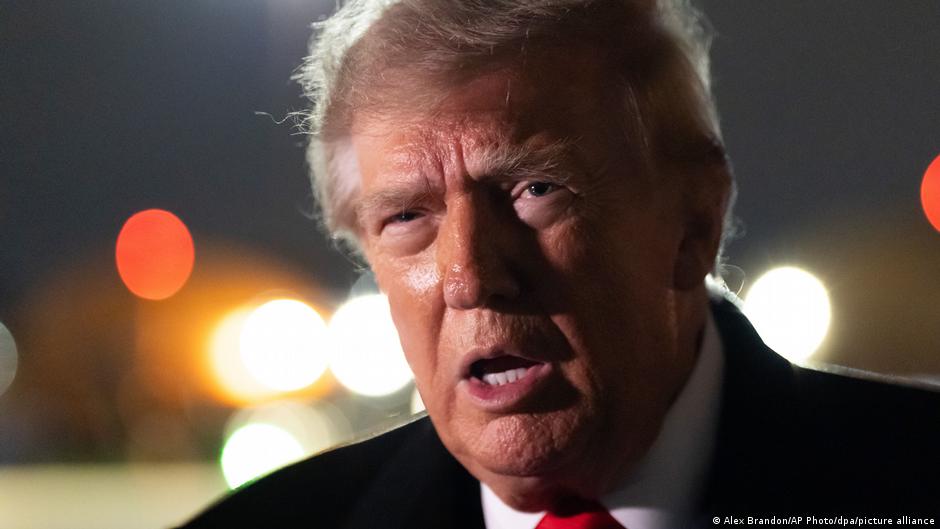
The House of Representatives votes to limit President Trump's ability to continue conflict with Iran without legislative consent, signaling shifting political dynamics.
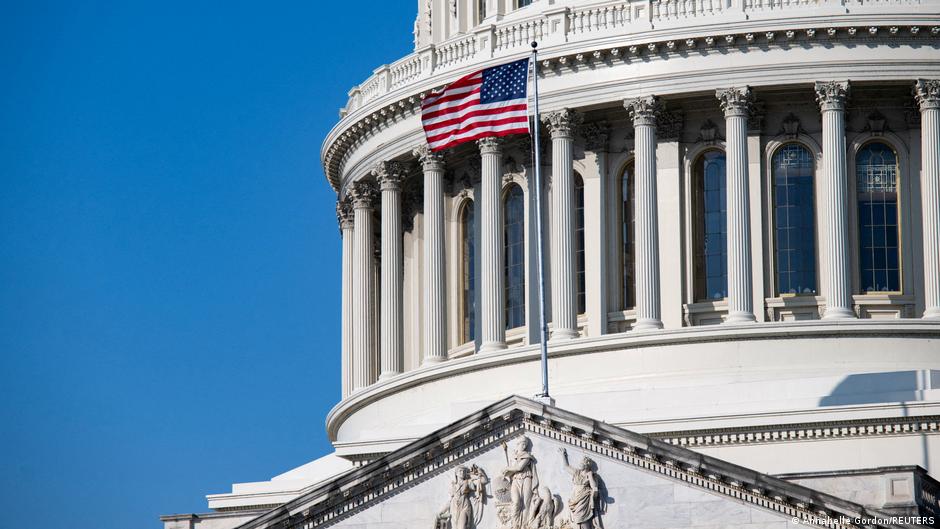
The US House of Representatives has taken an unprecedented step by passing a resolution that prevents President Donald Trump from continuing military operations against Iran without explicit congressional approval. This move marks the first time the lower chamber has formally opposed the White House's stance on the escalating tensions with Iran, underscoring emerging divisions within the ruling Republican Party.
On June 3, the House voted 215 in favor to 208 against the resolution, with support primarily from Democrats and a handful of Republicans. Although Republicans hold the majority in the House, four of their members broke ranks to join the Democratic majority, enabling the resolution's passage.
Market Implications of Congressional Pushback
From a capital markets perspective, this congressional resistance to unilateral executive military action introduces uncertainty surrounding US foreign policy direction in the Middle East. The prospect of restricted military engagement could influence investor sentiment in sectors sensitive to geopolitical risk, including energy, defense equities, and regional bond markets.
"This shift indicates waning bipartisan support for extended military conflicts, which may recalibrate risk assessments for investors exposed to Middle Eastern geopolitical dynamics," said an analyst monitoring political risk in financial markets.
Earlier in May, the US Senate also considered a similar resolution requiring congressional consent before continuing hostilities with Iran. The Senate vote was narrowly split with 50 senators voting in favor and 47 opposed, although the measure’s full approval remains uncertain due to some senators’ absences linked to electoral campaigns. Notably, Republican senators have previously blocked multiple attempts to advance such resolutions.
Despite the House's approval, the resolution faces a high likelihood of a presidential veto. President Trump has signaled his readiness to continue military operations and negotiations with Iranian leadership concurrently. The War Powers Act of 1973, which limits presidential military action to 60 days without congressional authorization, frames the legal context of these developments. The 60-day period concluded on May 1, 2026, after which Trump notified Congress that the conflict had ended; however, hostilities persist.
In recent weeks, Iranian forces launched missile and drone strikes targeting US bases in Kuwait and Bahrain, while the US military retaliated against Iranian military installations near the Strait of Hormuz, illustrating ongoing military escalation despite congressional intervention attempts.
Investors and market participants should monitor how these political dynamics influence the trajectory of US-Iran relations, as outcomes could affect oil prices, defense spending, and regional stability—key drivers of equity and bond market performance.