US House Approves New Sanctions on Russia and Aid to Ukraine, Awaiting Senate Approval
The US House of Representatives passes a bill expanding military aid to Ukraine and imposing additional sanctions on Russia, pending Senate consent.
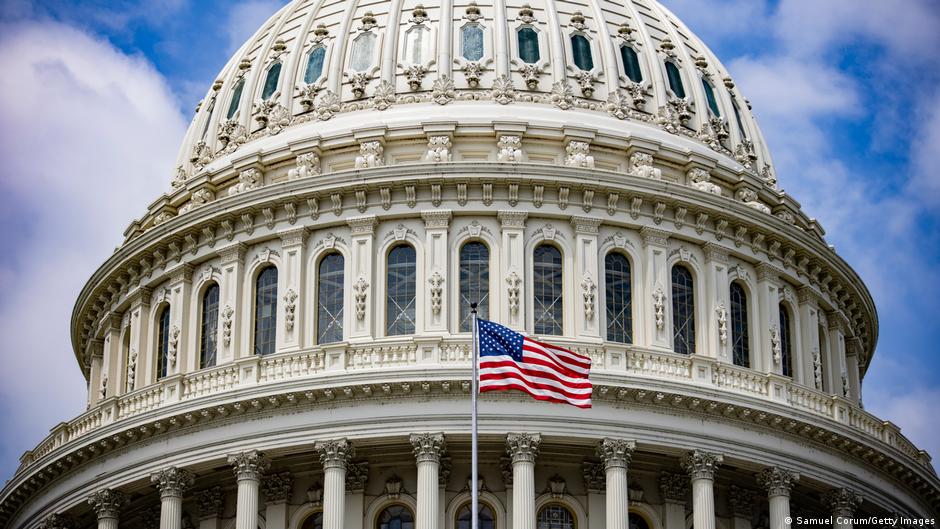
The US House of Representatives has approved a legislative package aimed at bolstering support for Ukraine and intensifying sanctions against Russia. The bill, passed on June 5 with a vote of 226 to 195, includes military assistance and enhanced economic pressure measures. However, it must still secure approval from the US Senate before becoming law.
Market Implications of the New Sanctions and Aid Package
The legislation was introduced in April and proposes the creation of a dedicated fund for Ukraine’s reconstruction. It also restores the US president’s authority to transfer defense equipment to Ukraine and Eastern European allies via lending or leasing mechanisms. The Pentagon is authorized through 2027 to provide Ukraine with intelligence support, while the State Department is tasked with strengthening the military and border capabilities of the Baltic states.
On the sanctions front, the bill grants the US president expanded powers to impose additional sanctions, freeze assets of Russian individuals and entities, and enforce new export controls and tariffs. These measures aim to further restrict Russia’s economic capacity to sustain its war efforts.
Investor attention is focused on the bill’s potential to disrupt global markets, especially in energy and commodities sectors linked to Russia. The prospect of tighter sanctions typically raises volatility in equities and bond markets, with investors reassessing risk exposure to Russian assets and related industries.
"The legislation signals sustained bipartisan support for Ukraine, underpinning continued US involvement in the geopolitical landscape," said a market analyst following the House vote.
Enhanced cooperation with European partners, including weapon shipments, military training for Ukrainian forces, and intelligence coordination, underscores the international dimension of this strategy. For bondholders and equity investors, the implications include potential shifts in risk premiums and supply chain uncertainties.
The next critical step is Senate approval, where the bill's fate hinges on the political balance. Some Republican senators are advocating for reduced foreign aid, which could impact the final provisions.
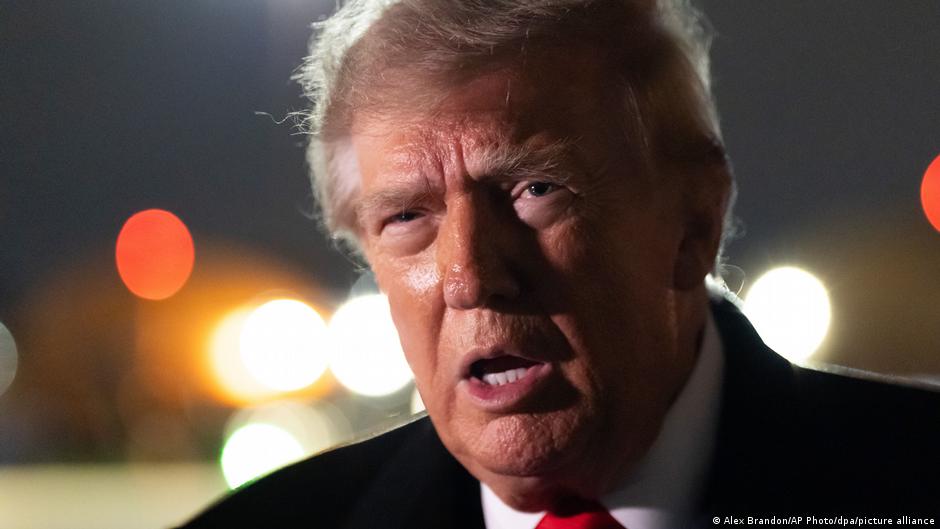
Market participants are also monitoring the role of the US presidency. Former President Donald Trump, who may return to office in January 2025, has previously slowed US aid to Ukraine and emphasized retaining presidential control over sanctions decisions rather than ceding authority to Congress. This introduces a degree of uncertainty for investors evaluating the stability and continuity of US foreign policy measures.
In summary, while the House’s approval reinforces a strong US stance against Russia and support for Ukraine, investors should remain cautious as legislative and executive dynamics continue to evolve. Market volatility is likely to persist as stakeholders digest these developments and their implications for capital flows and geopolitical risk.