US Treasury Expands Sanctions on Cuban Leadership Amid Intensified Diplomatic Strain
New sanctions target Cuban President Diaz-Canel and Castro family members, impacting investor sentiment in related markets.
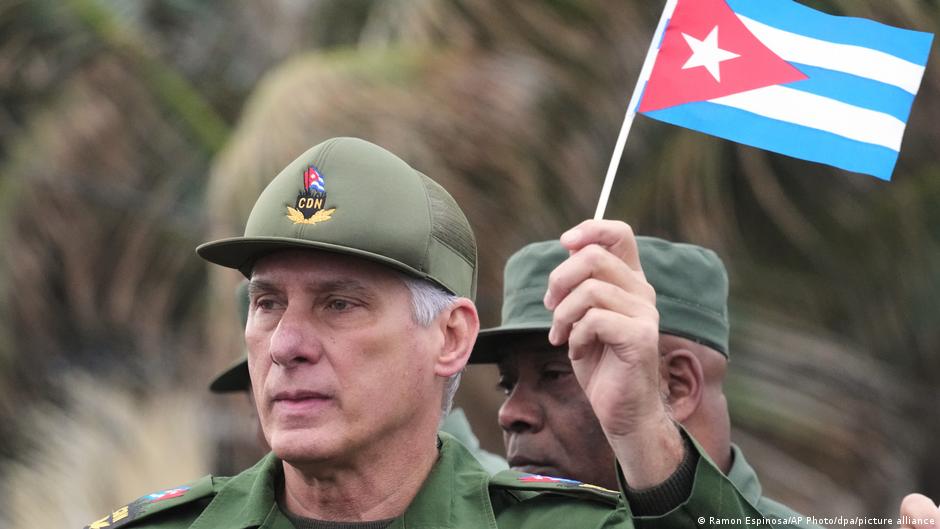
The United States government has broadened its economic sanctions against Cuba, extending restrictions to include President Miguel Diaz-Canel and members of former leader Raul Castro's family. These measures mark a further escalation in Washington's pressure campaign amid continuing diplomatic tensions.
Market Implications of the Expanded Sanctions
On June 4, the US Treasury Department announced new sanctions that affect not only the Cuban president but also his wife and stepson, as well as Raul Castro's son and a grandson. Raul Castro, although no longer holding official government roles, remains influential in Cuba's political landscape. The US accuses Castro of involvement in the destruction of two civilian aircraft in 1996, an incident that resulted in four fatalities.
These sanctions come against a backdrop of deteriorating US-Cuba relations over recent months. The original sanctions targeting Diaz-Canel were imposed by the US State Department in July of last year, but the Treasury's expansion signals a more aggressive stance.
For capital markets, these developments increase geopolitical risk surrounding Cuban assets and related investment opportunities. The intensification of sanctions could limit Cuba's access to international financing and complicate supply chains, especially considering the country’s ongoing economic crisis characterized by fuel shortages and electricity disruptions.
"The expanded sanctions on Cuba's leadership underscore the heightened US commitment to economic pressure, signaling caution for investors with exposure to the region."
Investors in equities and bonds with direct or indirect exposure to Cuba face increased uncertainty. The sanctions may deter foreign investment and restrict the availability of credit, potentially depressing asset valuations tied to Cuban economic activity and regional trade partners.
Moreover, the sanctions coincide with broader regional dynamics. The US military's recent capture and removal of Venezuelan President Nicolas Maduro, a key oil supplier to Cuba, further disrupts energy supplies vital to the island’s economy. Venezuela’s cessation of oil shipments to Cuba intensifies the economic strain, which could influence commodity markets and energy-focused assets with exposure to Latin America.
Given Cuba's geographic proximity to the US — just 145 kilometers from Florida’s southern tip — these sanctions also have symbolic significance, reinforcing longstanding US economic embargoes dating back to 1962. The renewed pressure may accelerate adverse economic conditions in Cuba, affecting market sentiment toward the region and heightening volatility in related financial instruments.
Overall, the expanded sanctions represent a critical development for capital markets analysts and investors monitoring geopolitical risk, Latin American economies, and US foreign policy impacts on emerging market assets.