Drone Attacks on Ukrainian Cities Heighten Market Uncertainty Amid Ongoing Conflict
Recent Russian drone strikes on Zaporizhzhia and Konotop escalate risks, impacting investor sentiment in regional markets.
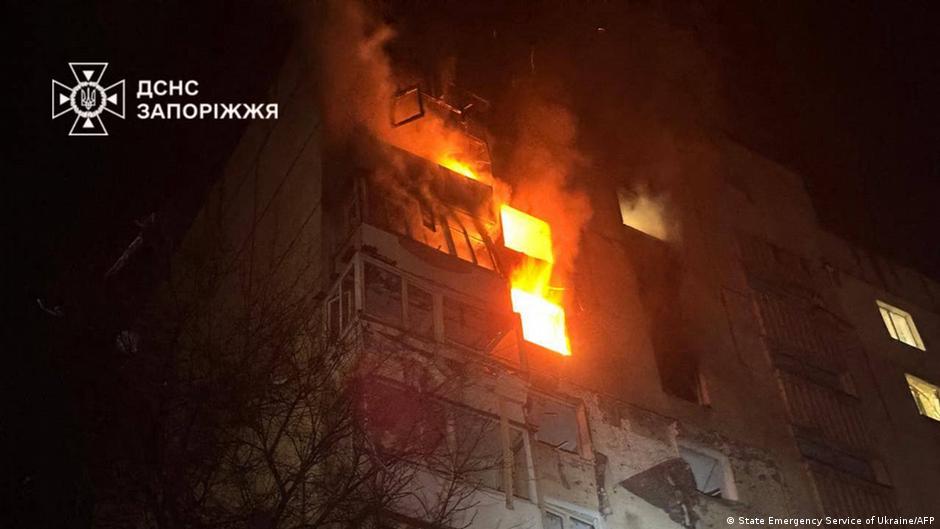
On June 4, Russian military forces launched drone attacks targeting residential areas in the Ukrainian cities of Zaporizhzhia and Konotop, resulting in civilian casualties and infrastructure damage. These events add further volatility to an already fragile regional security landscape, raising concerns among investors monitoring Eastern European markets.
Impact of Drone Strikes on Regional Stability and Market Sentiment
The attacks struck residential buildings and civilian infrastructure, with Zaporizhzhia suffering significant damage to a multi-story apartment building and parked vehicles. The local administration confirmed one female civilian fatality and 11 injuries of varying severity. Similarly, in Konotop, Sumy region, drone strikes caused fire damage to a private home where a family, including three children, was present; all were hospitalized.
"All three children and their mother were hospitalized after the attack, which also caused partial power and water outages in the city," reported Konotop’s mayor.
Additional strikes in Kherson resulted in the death of a 75-year-old man, further exacerbating regional insecurity.
Such attacks targeting civilian infrastructure exacerbate humanitarian concerns and contribute to increased risk premiums in Ukrainian equities and sovereign bonds. Investors are likely factoring in the potential for further escalation, which could hinder economic recovery efforts and dampen market performance.
Market Reactions and Investor Implications
Following the news of the drone attacks, Ukrainian government bonds and regional equities have shown signs of stress amid heightened geopolitical risk. Credit spreads on Ukrainian sovereign debt have widened, reflecting increased risk aversion among bond investors. Equity markets within Ukraine and neighboring countries are experiencing volatility as investors reassess the impact of ongoing hostilities on corporate earnings and infrastructure stability.
Foreign direct investment sentiment is also likely to be negatively affected by these developments. Infrastructure damage and disruption to utilities such as water and electricity signal potential challenges for businesses operating in affected regions, raising concerns about operational risks and insurance costs.
From a capital markets perspective, such incidents reinforce the need for investors to consider geopolitical risk factors in portfolio allocation, especially in emerging Eastern European markets. Diversification strategies and risk mitigation instruments, including geopolitical risk insurance and hedging via derivatives, may become more prominent among institutional investors.
Moreover, ongoing conflict may influence monetary policy decisions and fiscal allocations within Ukraine, with increased defense spending potentially crowding out other economic initiatives. This dynamic can affect economic growth forecasts and investor outlooks for the region.
In summary, the recent drone attacks in Zaporizhzhia, Konotop, and Kherson underline the persistent volatility in Ukraine and its ripple effects on capital markets. Investors should remain vigilant to evolving geopolitical developments and their implications for risk-adjusted returns in the region.