Iran Submits 14-Point Peace Plan to US Amid Ongoing Middle East Conflict
Tehran's detailed proposal demands troop withdrawals and sanctions relief, while US skepticism weighs on market sentiment.
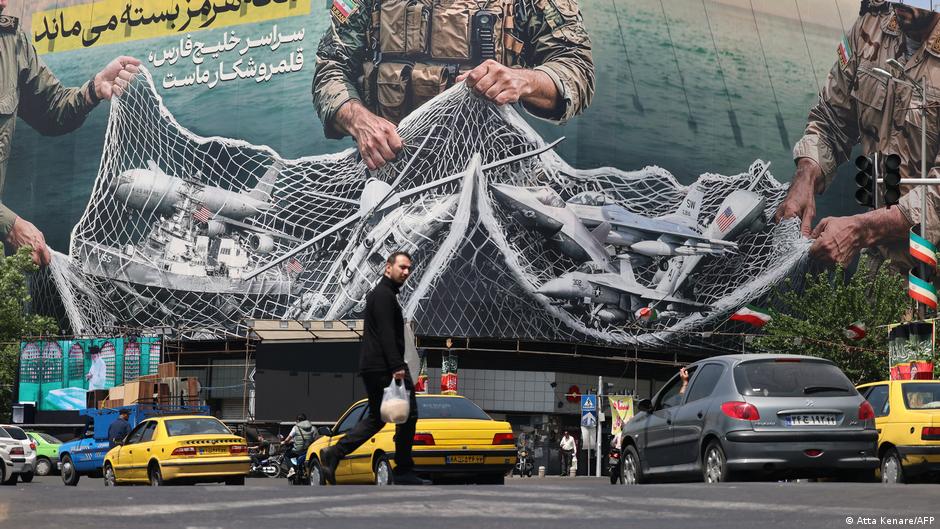
In a significant diplomatic development, Iran has presented the United States with a comprehensive 14-point peace plan outlining Tehran's key demands to end the ongoing military conflict in the Middle East. The plan, conveyed through Iranian state agencies, represents a response to a prior nine-point US proposal and sets forth stringent conditions that highlight the complexities facing any resolution.
Market Implications of Iran’s Peace Proposal
The initiative comes amid sustained military tensions since late February, with US and Israeli strikes targeting Iranian positions and reciprocal attacks by Iran against regional and American interests. While a ceasefire took effect in early April, substantive peace negotiations have stalled. The latest Iranian plan calls for guarantees of non-aggression, full withdrawal of US forces from border regions, lifting of the naval blockade, and unfreezing of Iranian assets. It also demands reparations, sanctions relief, cessation of hostilities including Israeli attacks on Lebanon, and a new operational framework for the strategically vital Strait of Hormuz.
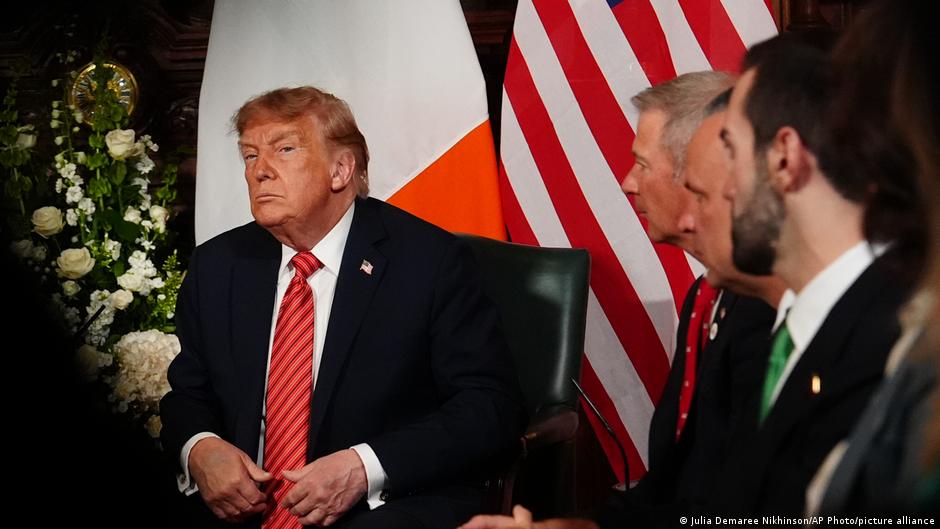
US President Donald Trump acknowledged receipt of the Iranian proposal on May 3 but expressed skepticism regarding its acceptability, underscoring that Iran has not "paid enough of a price" for its actions over the past decades. This cautious tone has fueled market uncertainty, particularly in sectors sensitive to Middle East stability such as energy and defense equities.
"I can't imagine it will be acceptable, given the price Iran has yet to pay for its actions over 47 years," Trump stated, signaling ongoing US reluctance to endorse Tehran’s terms.
The conflict has already exerted pressure on global oil markets, with the Strait of Hormuz—a critical chokepoint for roughly one-fifth of the world’s seaborne oil trade—effectively under Iranian military control. The US naval blockade and Iran’s countermeasures have constrained crude flows, contributing to price volatility and prompting investors to reassess risk exposure in energy commodities and related equities.
Additionally, the US administration’s notification to Congress declaring the formal end to active hostilities as of May 1 aligns with legislative limits on military engagement duration. However, Trump emphasized that strategic threats from Iran remain substantial, maintaining a precarious status quo that complicates market forecasts.
Further complicating the outlook, reports indicate US preparations for an extended maritime blockade aimed at economically isolating Iran by restricting oil exports. This tactic could intensify regional tensions and further unsettle global energy supplies, influencing bond markets and investor sentiment toward emerging market and geopolitical risk assets.
For investors, these developments underscore the necessity of monitoring geopolitical risk factors that continue to shape capital flows and asset valuations. Energy equities, defense contractors, and emerging market bonds linked to the Gulf region face heightened volatility as diplomatic efforts and military posturing evolve.
While the peace plan offers a framework for potential de-escalation, its demanding terms and US skepticism suggest that resolution remains uncertain. Market participants should remain vigilant to developments on both the diplomatic and operational fronts, as shifts could swiftly impact global capital markets.