Russian Military Strikes Multiple Ukrainian Regions Prompt Market Volatility in Equities and Bonds
Renewed Russian attacks on Ukraine’s infrastructure trigger investor uncertainty across capital markets.

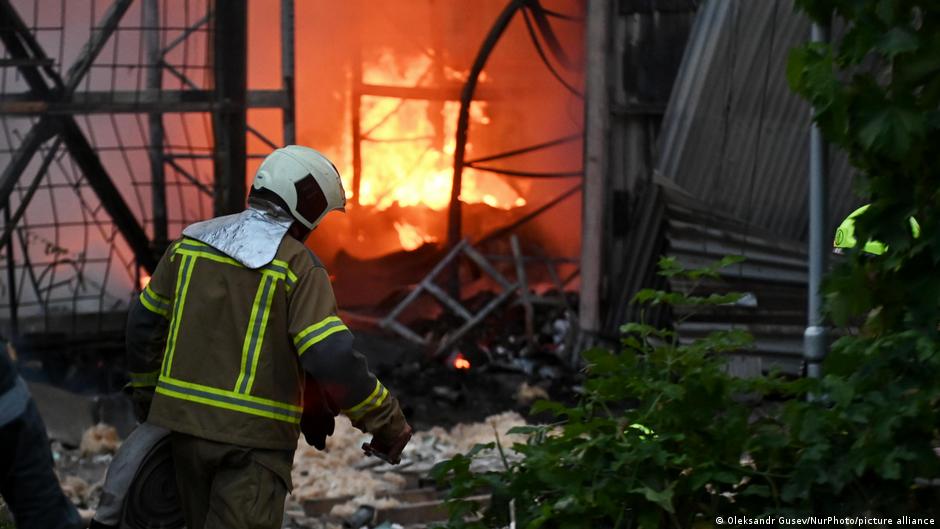
On the night of May 2, Russian forces launched multiple drone and missile strikes across several Ukrainian regions, targeting key infrastructure and civilian areas. The attacks have injected fresh volatility into capital markets, influencing both equity and bond investors amid ongoing geopolitical tensions.
Impact on Regional Stability and Market Sentiment
The Russian military targeted cities including Mykolaiv, Kharkiv, Kherson, Sumy, and others, with a particular focus on energy infrastructure and port facilities. Vitaliy Kim, head of the Mykolaiv regional military administration, confirmed drone strikes on the city’s energy systems, though no casualties were reported there.
In Kharkiv, a drone strike damaged a residential building’s 12th floor in the Shevchenkivskyi district, injuring a civilian with shrapnel wounds. Fortunately, the drone failed to explode, mitigating potential casualties.
Repeated explosions were reported in Sumy and Kherson, as well as continuing drone movements toward Chernihiv, Zaporizhzhia, Odessa, and Odessa Oblast, areas critical to Ukrainian logistics and exports.
“Air defense forces acted effectively, shooting down most enemy drones, resulting in minimal damage,” stated local authorities concerning the attack on Izmail’s port infrastructure.
Meanwhile, over 50 Shahed drones struck Ternopil in western Ukraine, with more than 20 detonating and at least 12 injuries reported. The Dnipropetrovsk region experienced nearly 50 strikes in the Nikopol and Kryvyi Rih districts, resulting in four casualties.
Market Reactions and Investor Outlook
The renewed attacks have unsettled investors, increasing risk premiums on Ukrainian sovereign and corporate bonds due to heightened fears over infrastructure damage and economic disruption. Equity markets linked to regional industries—particularly energy, logistics, and manufacturing—have shown increased volatility amid concerns over supply chain interruptions.
Bond yields on Ukrainian debt instruments have risen as investors reassess default risks and the impact of ongoing conflict on fiscal stability. Conversely, defensive sectors such as agriculture and information technology have seen mixed performance, reflecting cautious investor positioning.
Analysts suggest that the sustained nature of these attacks and the targeting of critical infrastructure could prolong market uncertainty. Investor focus remains sharply tuned to developments on the ground, with capital flows responsive to news of military escalations and defensive countermeasures.
Market participants are advised to monitor geopolitical updates closely, as continued conflict could further disrupt Ukraine’s economic recovery and influence the broader Eastern European investment climate.