US Arms Supply Delays to Europe Trigger Market Concerns Amid Middle East Conflict
Washington’s weapon shipment delays to European allies due to Iran conflict strain defense supply chains and impact investor sentiment.
The United States has issued warnings to European allies about significant delays in arms shipments, a move that has sent ripples through capital markets sensitive to geopolitical risks. This development comes as Washington urgently replenishes military stockpiles depleted by ongoing conflict with Iran.
Market Impact of US Arms Supply Disruptions
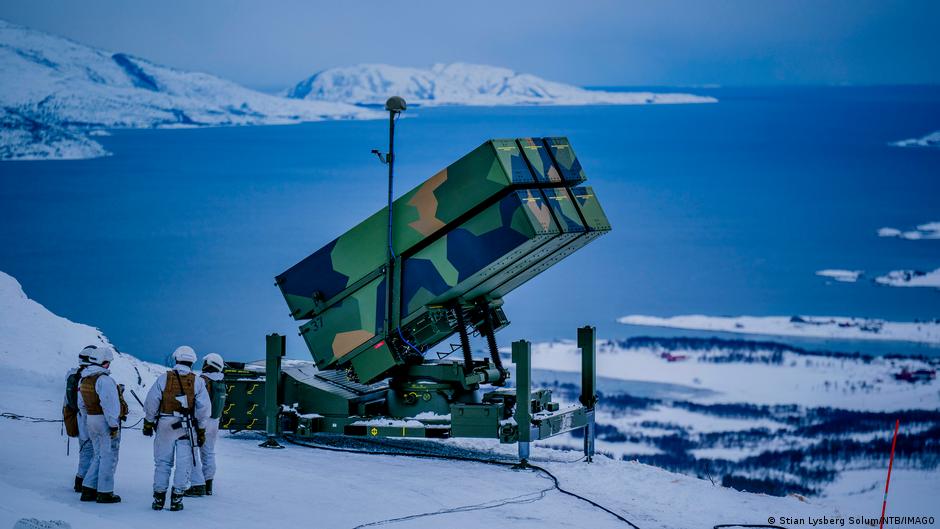
According to several sources, the delayed shipments involve critical ammunition and rocket systems such as the NASAMS and HIMARS, systems integral to the defense capabilities of NATO members and partners. Countries including the United Kingdom, Poland, Lithuania, and Estonia were among those alerted to potential disruptions. Similar supply constraints are reportedly under consideration for US allies in Asia, notably Japan and South Korea.
These disruptions have unsettled investors in the defense and aerospace sectors, with defense equities showing volatility as markets price in risks of slowed military orders and potential contract renegotiations. Bond markets have also reacted, with yields on defense contractors’ bonds fluctuating amid uncertainty about future revenues tied to government contracts.
“The delay in US arms shipments is a critical signal that ongoing geopolitical tensions in the Middle East are beginning to strain existing defense supply chains,” said a market analyst specializing in defense equities.
The Pentagon has stated it is "carefully evaluating" new equipment requests from allies alongside current arms transfers to ensure alignment with operational needs. This cautious approach reflects an attempt to balance urgent replenishment demands with commitments to partners.
For Kyiv, which has relied heavily on US-supplied weapons in its defense against Russian aggression, these delays represent a concerning setback. A senior Ukrainian official noted that such supply interruptions have persisted since the start of the US and Israeli conflict with Iran, highlighting the broader impact of Middle Eastern tensions on European security dynamics.
Countries utilizing NASAMS include Taiwan, Norway, Finland, Spain, the Netherlands, Indonesia, Australia, Hungary, Ukraine, Denmark, Qatar, and Oman, while HIMARS systems are operated by 14 US partners, including Ukraine, Poland, and Estonia. The delay in critical munitions and missile systems could affect military readiness across multiple theaters and, consequently, investor confidence in defense subsectors.
Shifts in US Arms Export Priorities
Compounding European supply concerns, the US State Department recently approved arms exports worth over $8.6 billion to Middle Eastern allies Israel, Qatar, Kuwait, and the United Arab Emirates. Qatar received the largest share at $4 billion, followed by Kuwait ($2.5 billion), Israel ($1 billion), and the UAE ($150 million). This shift in export focus underscores the US prioritization of Middle Eastern alliances amid escalating conflict, potentially diverting resources away from European partners.
These transactions were expedited using a special presidential procedure that bypasses the usual Congressional approval process, reflecting the administration’s urgency. The official rationale cited was the "urgent necessity" linked to the ongoing Iran conflict, even as formal notifications indicated the conflict’s conclusion.
From a market perspective, this reallocation of arms exports may drive increased investor interest in defense firms with significant Middle East exposure, while heightening caution among those dependent on European procurement. The resulting imbalance underscores the intricate link between geopolitical developments and capital flows in the defense sector.
Investors should closely monitor evolving US defense export policies and supply chain risks as these factors will likely influence equities and fixed income instruments connected to global defense contractors. Geopolitical volatility, particularly the US-Iran conflict, remains a critical variable shaping defense market dynamics in 2024.