US to Cut Troop Presence in Germany by 5,000, Impacting Defense Sector Markets
Pentagon announces plan to reduce American forces in Germany within a year, raising questions on market reactions in defense equities and bonds.
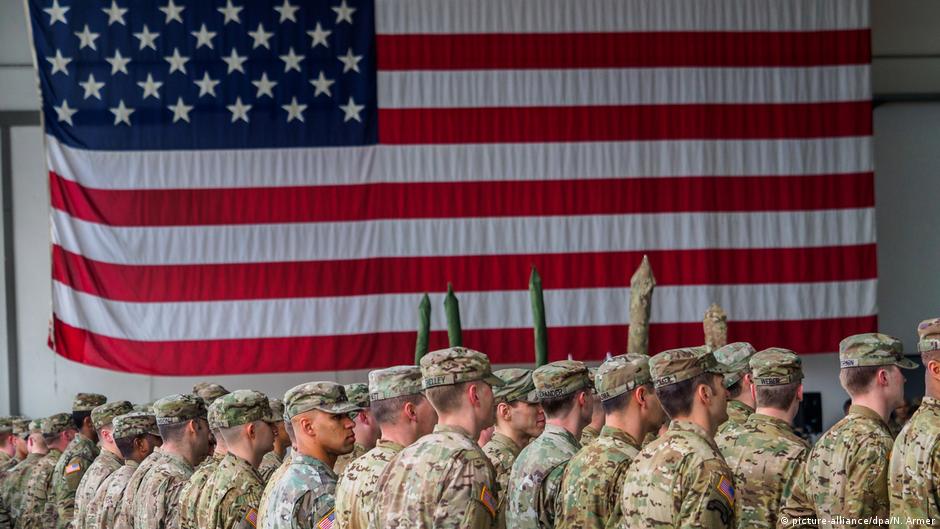
The US Department of Defense has authorized the withdrawal of approximately 5,000 troops from Germany over the next 12 months, signaling a significant shift in American military deployment in Europe. Currently, more than 35,000 US soldiers are stationed in Germany, the largest US troop presence in any European Union country.
US Defense Secretary Pete Hegset issued the order following a comprehensive review of the US military footprint in Europe. Pentagon spokesperson Sean Parnell stated, "We anticipate the troop withdrawal will be completed within six to twelve months," emphasizing that the decision reflects operational requirements and local conditions.
Market Implications of Troop Drawdown
The announcement comes amid ongoing geopolitical tensions and carries notable implications for capital markets, particularly within the defense sector. Stocks of US defense contractors with significant European operations or reliance on European military contracts could see mixed reactions. Bond markets might also react to perceived shifts in defense spending and geopolitical risk premiums.
Historically, troop presence in strategic locations such as Germany has provided stability that benefits sectors ranging from defense manufacturing to logistics. The planned reduction could prompt investors to reassess portfolio allocations tied to defense equities, as well as government bonds linked to defense budget commitments.
"This troop adjustment represents not only a strategic military recalibration but also a consequential factor for investors monitoring transatlantic defense relationships and related market segments," said a market analyst specializing in defense equities.
Despite the troop cutback, the overall number of US soldiers in Germany remains substantial compared to Cold War levels, with 36,400 troops as of late 2025 versus 250,000 in 1985. This nuance is crucial for investors considering long-term trends in defense spending and US-European relations.
Political responses have been measured. German Chancellor Friedrich Merz emphasized the ongoing strategic partnership with the US military, underscoring continued cooperation and mutual benefits. However, remarks from both German and US leaders signaling tensions around Middle East policies add layers of geopolitical uncertainty that markets typically price in.
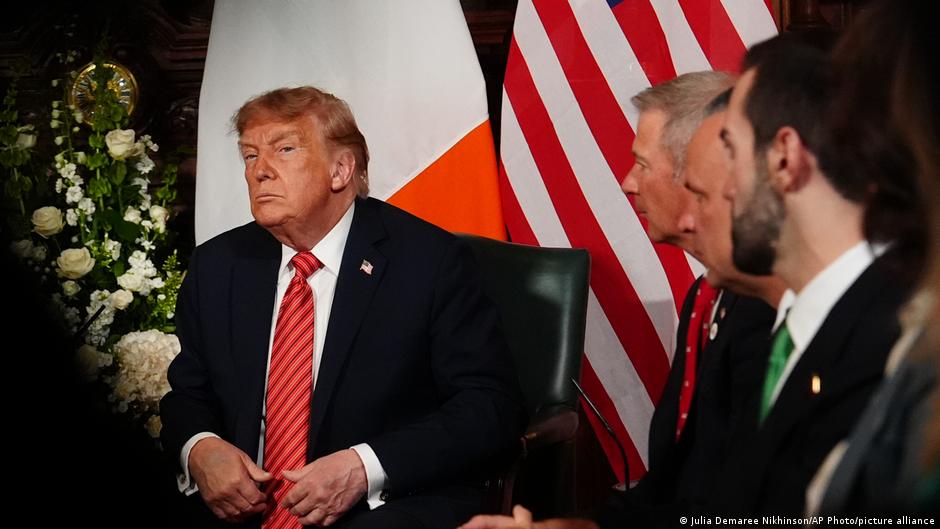
The prospect of troop reductions has been a recurring theme under former President Donald Trump, who indicated potential cuts during his terms but ultimately saw troop numbers in Germany rise. Congressional constraints also limit the executive branch's unilateral ability to enact such changes, suggesting that market participants should monitor legislative developments closely.
In summary, the planned 5,000 troop drawdown from Germany represents a noteworthy event for capital markets, particularly defense-related equities and bonds. Investors should watch for updates on defense budget adjustments, geopolitical risk assessments, and transatlantic security dynamics to gauge the potential impact on their portfolios.