German Economy Faces Recession Risk as US Auto Tariffs Raise Market Concerns
US tariff hike on EU automobiles threatens German exports and spurs fears of economic downturn in 2026 if retaliatory measures follow.
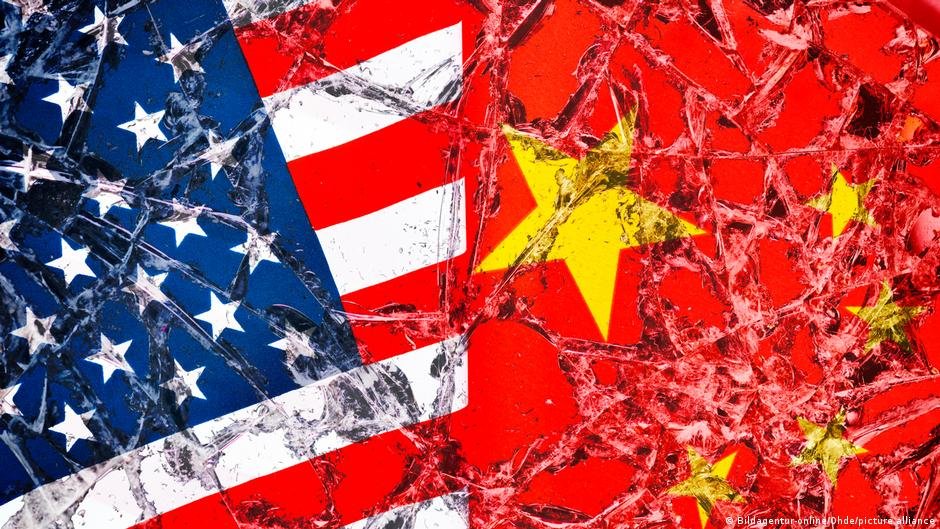
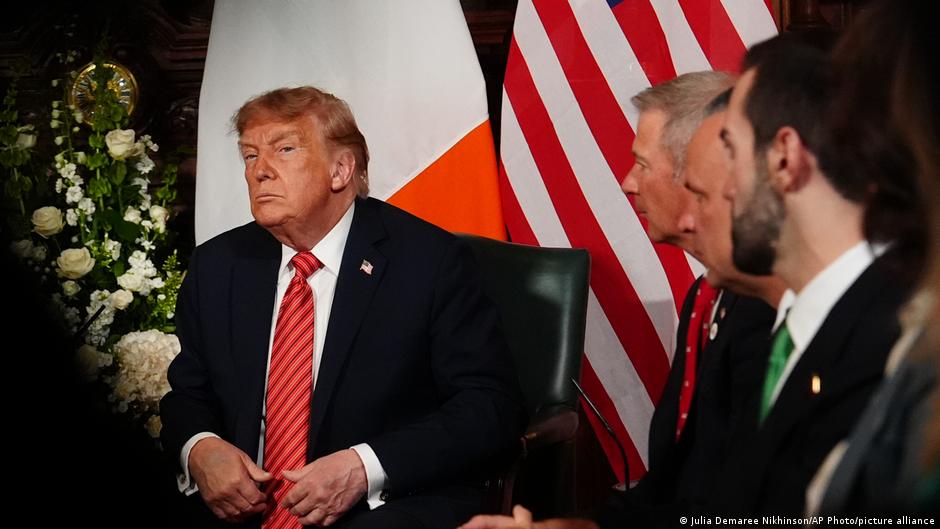
The recent announcement by US President Donald Trump to increase import tariffs on European Union automobiles has triggered alarm bells in Germany's economic circles, with experts warning of a potential recession as early as 2026 if retaliatory tariffs escalate the trade conflict.
Market Implications of Rising US-EU Trade Tensions
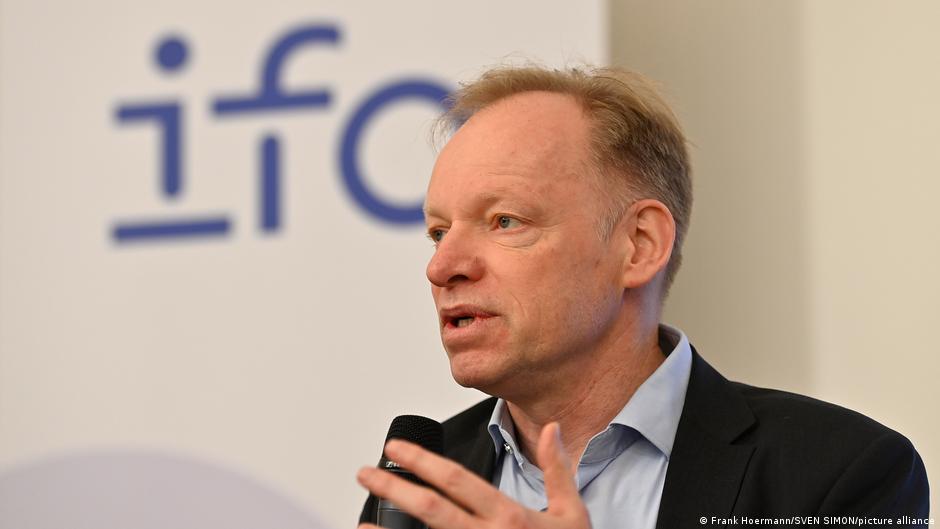
The Munich-based ifo Institute, a leading economic research center, cautioned that the tariff hike could significantly damage Germany's economic growth this year. Clemens Fuest, president of ifo, emphasized that if the EU responds with reciprocal tariffs, Germany could face a recession in 2026 due to a full-blown trade war with the US.
“If this leads to a new trade war, Germany is threatened with recession in 2026,” Clemens Fuest stated.
Germany, as the largest exporter of automobiles in the EU, is particularly vulnerable. The planned increase of tariffs to 25% on cars imported into the US marks what industry experts call the beginning of an economic war against Germany’s crucial automotive sector. Ferdinand Dudenhöffer, a prominent German automotive analyst, underscored the severity of this escalation.
The US administration alleges that the EU has breached prior trade agreements, justifying the tariff hike, which is set to take effect imminently. Notably, vehicles produced at US plants are exempt from the new tariffs, reflecting a targeted approach that will likely impact German manufacturers heavily reliant on exports to the US market.
From a capital markets perspective, this development has already injected significant volatility into European equity markets, particularly stocks tied to the automotive industry. Investors are weighing the risk of reduced German export volumes, potential supply chain disruptions, and dampened corporate earnings. Bond markets have also reacted, with German government bond yields reflecting increased economic uncertainty and rising recession risk premiums.
Jens Südekum, an advisor to Germany’s Finance Minister, urged caution, suggesting the EU should wait for the tariffs’ formal implementation before deploying retaliatory measures, signaling a potential for measured responses aimed at avoiding an immediate escalation in trade hostilities.
Historical Context and Strategic Considerations
The tariff increase disrupts an existing comprehensive trade agreement negotiated in 2025, which had lowered auto tariffs from 27.5% to 15% and opened the EU market to American industrial and agricultural goods. The new tariffs threaten to unravel this progress, exacerbating tensions between two of the world’s largest economies.
President Trump has repeatedly criticized the EU for running a significant trade surplus with the US in goods, although the EU counters by highlighting the US’s dominance in the services sector, where it enjoys a considerable advantage.
Beyond trade, the deteriorating diplomatic relationship, underscored by Trump's recent sharp remarks toward German Chancellor Friedrich Merz, adds a layer of geopolitical complexity. The US president publicly admonished Merz to focus on resolving the conflict in Ukraine and abstain from interfering in US-Iran policy, further straining transatlantic relations.
Overall, the tariff hike and the resulting trade tensions are reshaping investor sentiment and capital market dynamics in Germany and the broader European Union. Market participants are closely monitoring developments, particularly the EU’s response strategy and the potential for escalation, which will determine the trajectory of German equities, bond yields, and investor confidence in the coming months.