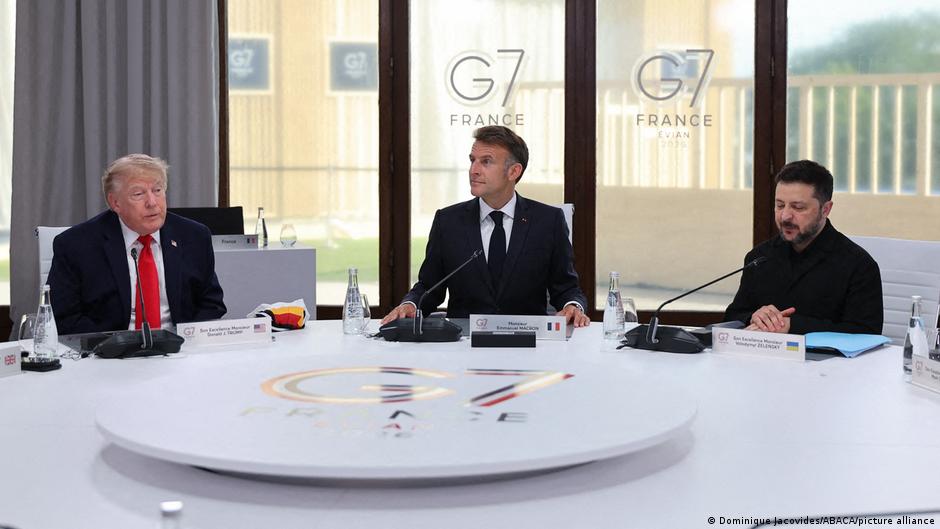
G7 Nations Announce New Sanctions on Russian Energy and Increased Military Aid to Ukraine
G7 leaders commit to new sanctions on Russian oil and gas sectors and increase military aid to Ukraine, impacting energy and defense markets worldwide.

G7 leaders commit to new sanctions on Russian oil and gas sectors and increase military aid to Ukraine, impacting energy and defense markets worldwide.

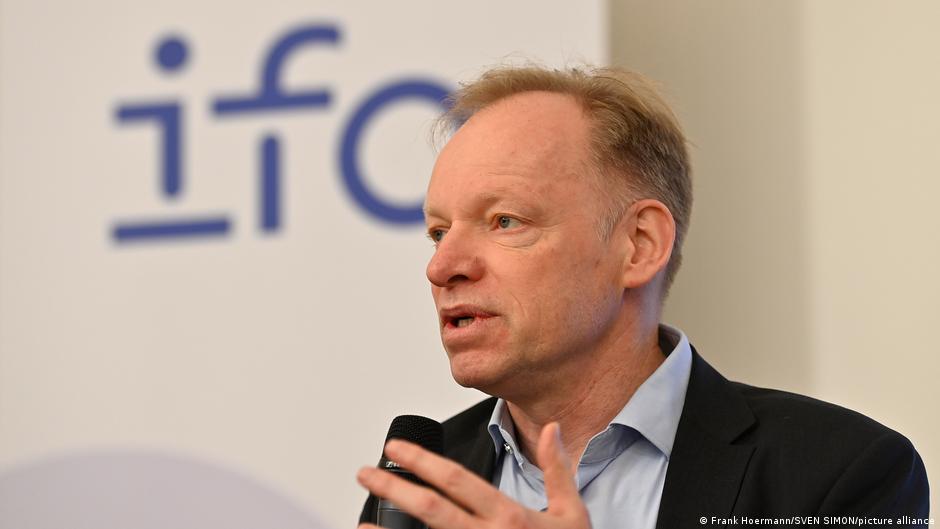
Germany faces a sharper labor shortage of 4.3 million by 2036 due to retiring baby boomers and declining immigration, affecting workforce-dependent sectors and investor strategies.

European leaders welcome the US-Iran peace deal, emphasizing regional stability, nuclear non-proliferation, and potential easing of market risks, particularly in energy sectors.
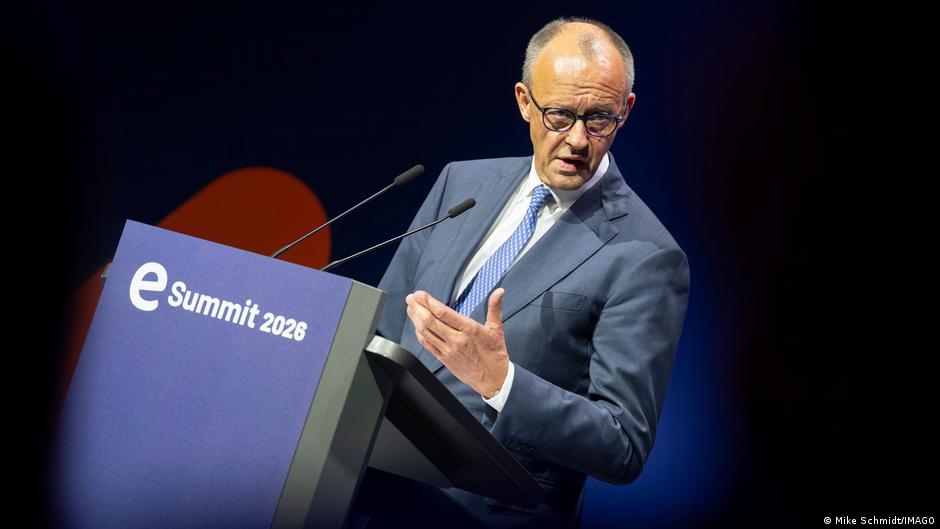
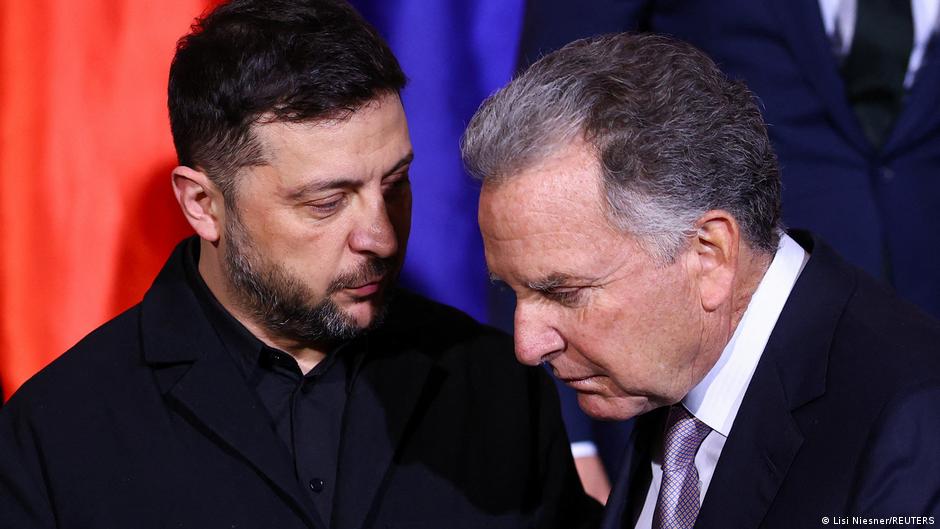
President Zelensky’s positive talks with Trump envoys signal potential diplomatic progress, influencing market sentiment amid ongoing Ukraine conflict and investor risk assessments.

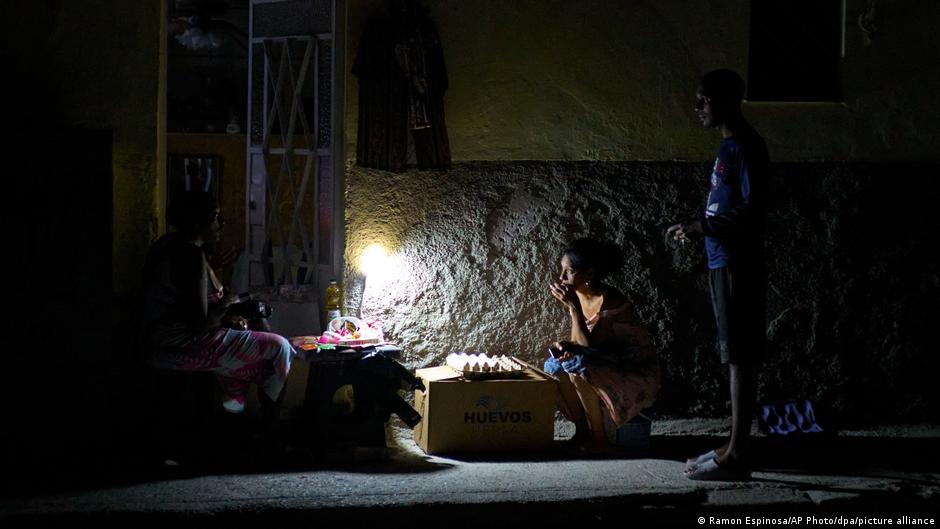
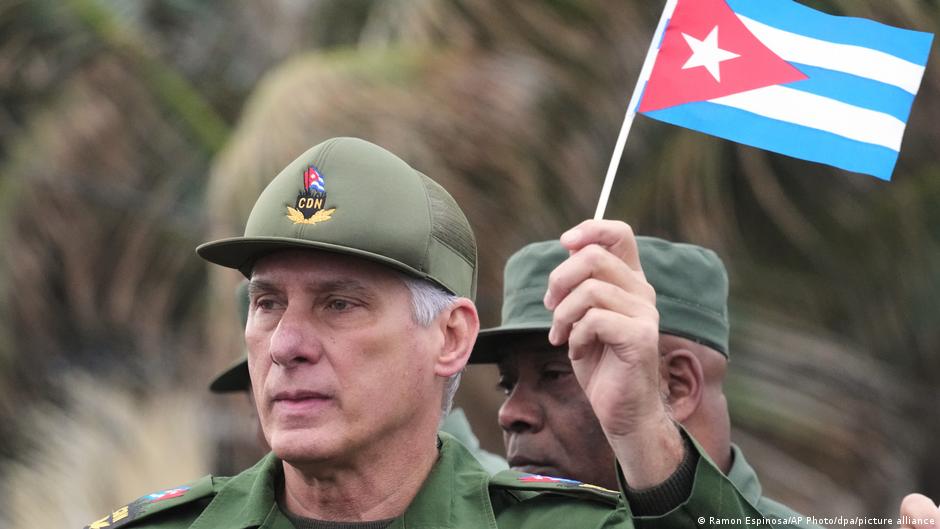
The US Treasury expanded sanctions on Cuban President Diaz-Canel and Castro family members, heightening geopolitical risks and impacting investor sentiment in related markets.
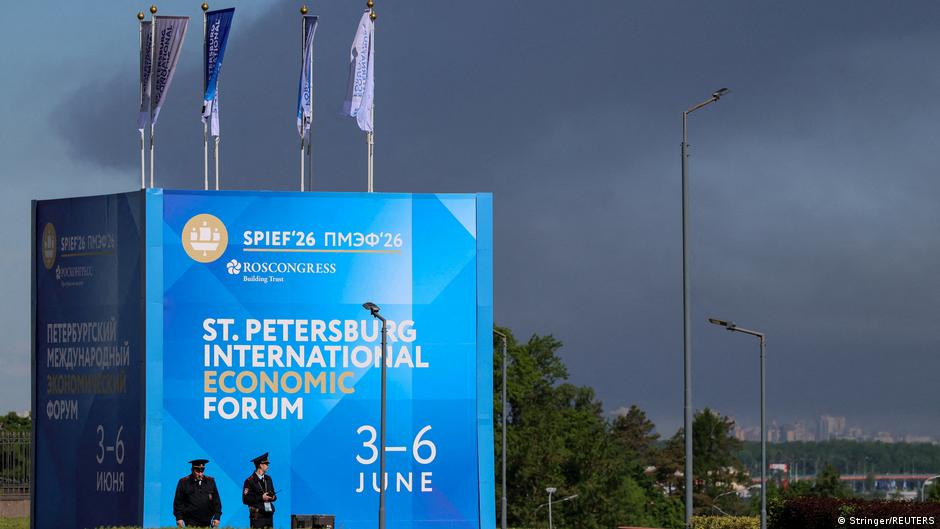
Rosneft advisor predicts Russia may face decades-long conflict, urging economic restructuring that could impact equities and bonds amid heightened security risks.

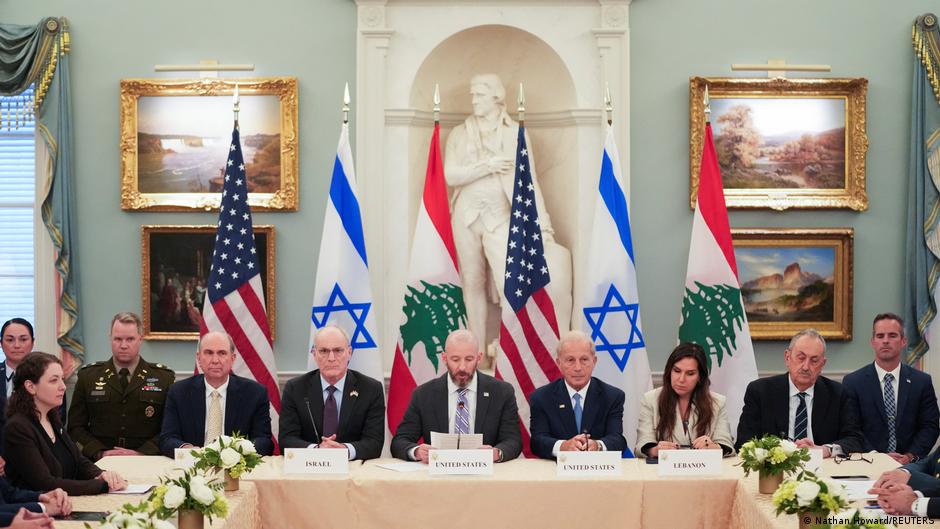
The US-brokered ceasefire between Israel and Lebanon prompts cautious optimism in equities and bond markets amid ongoing geopolitical risks in the Middle East.

Rumors of an early replacement of German Chancellor Friedrich Merz have been denied, stabilizing political sentiment and calming capital markets amid low approval ratings.

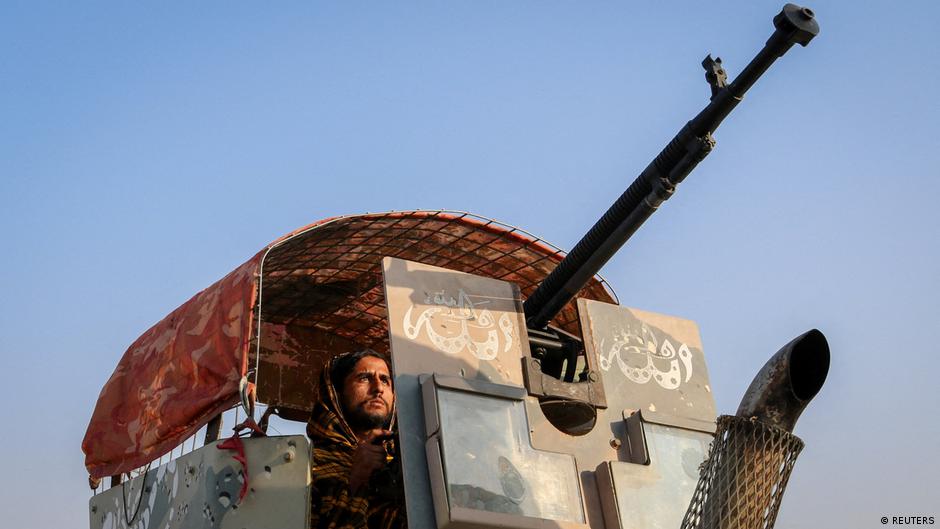
Russia's military cooperation agreement with the Taliban raises geopolitical risks, potentially impacting Russian defense equities, sovereign bonds, and investor confidence amid sanctions.

Senior Russian officials have warned Putin about the economic damage from stricter internet controls starting in 2025, raising concerns for investors amid rising public discontent.

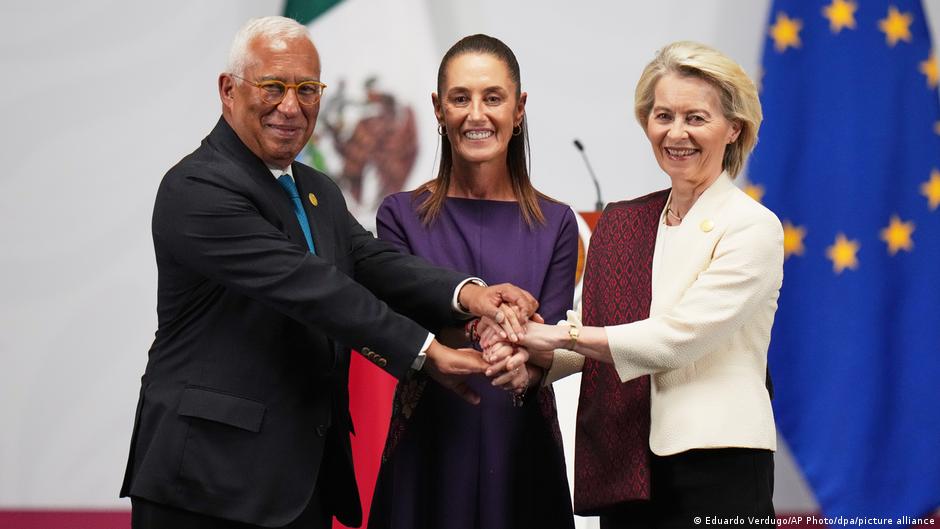
The EU-Mexico trade agreement removes tariffs and trade barriers, potentially boosting exports and investment flows, impacting equities and bonds in both regions.

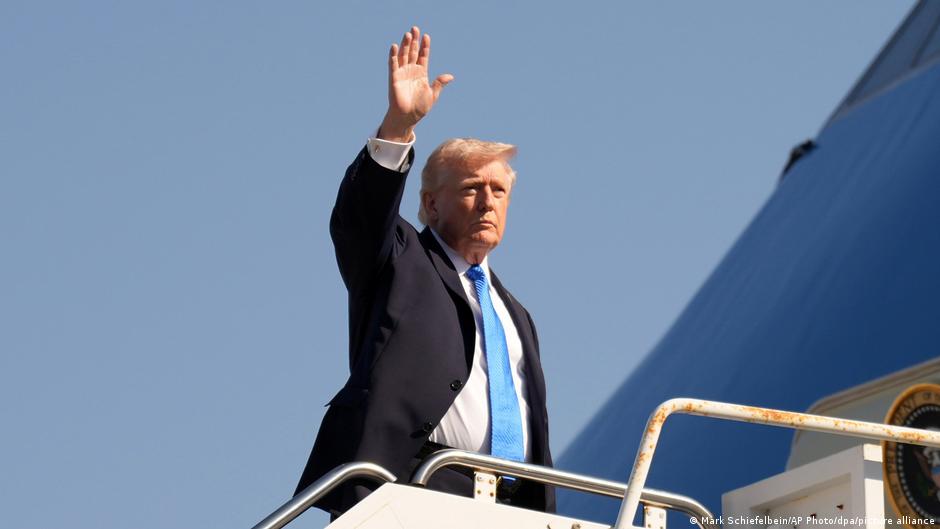
Palm Beach International Airport will be renamed after President Trump, changing its IATA code to DJT, signaling potential shifts in investor sentiment in equities and bonds.

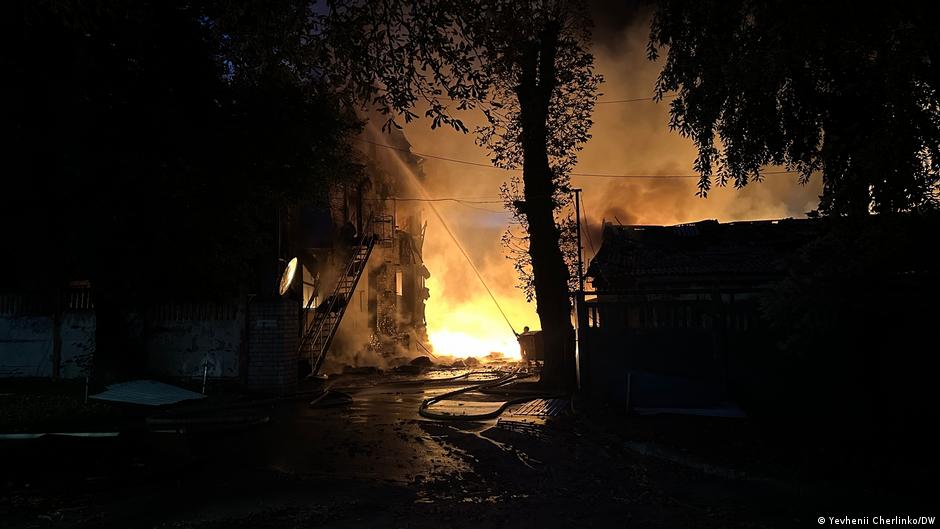
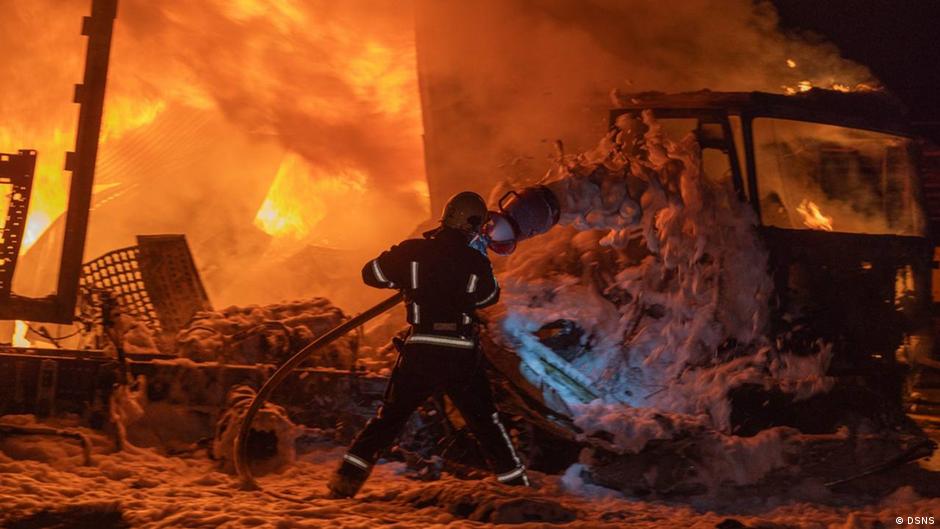
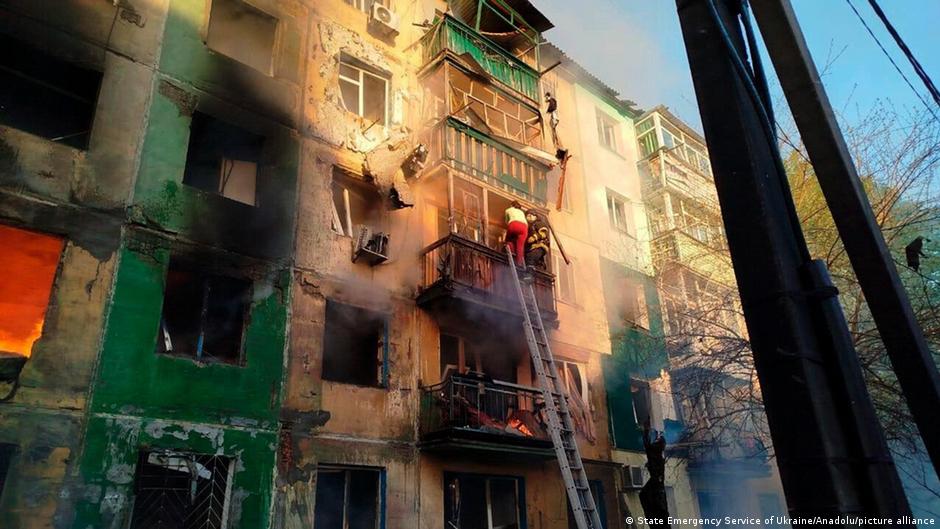
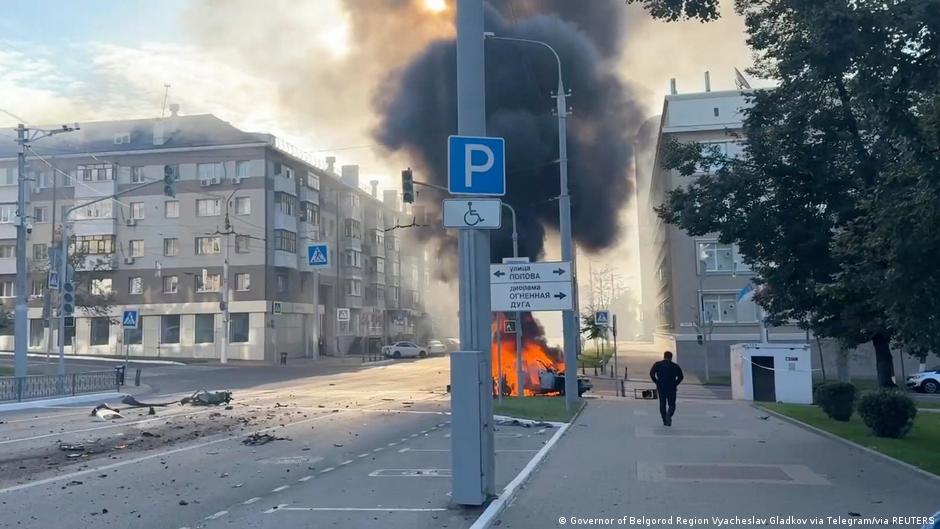
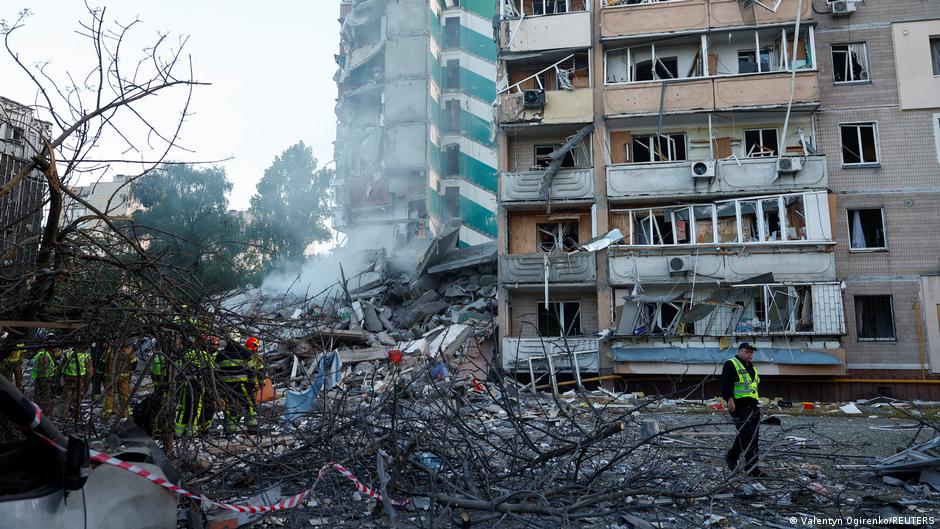
Russian missile and drone strikes hit Kyiv and other Ukrainian regions, causing fires and casualties. The attacks raise geopolitical risks, impacting equities and bonds tied to Ukraine.

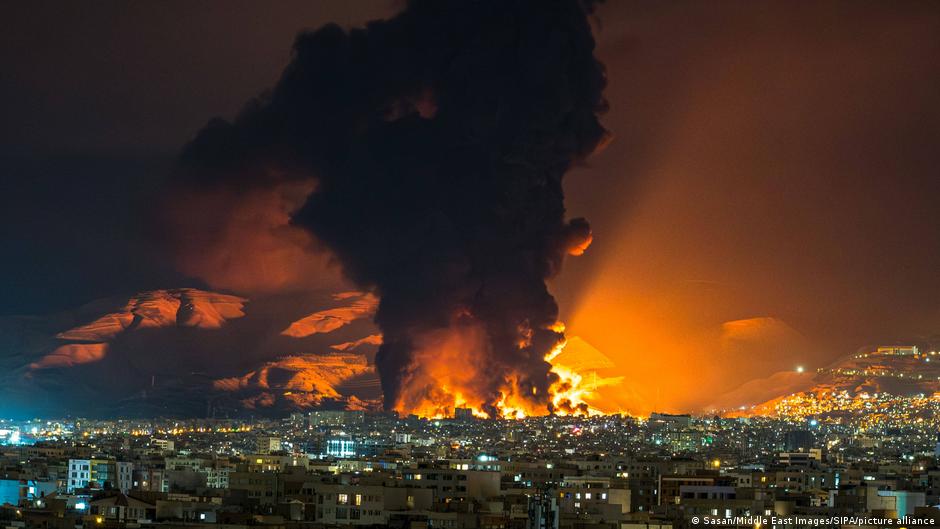
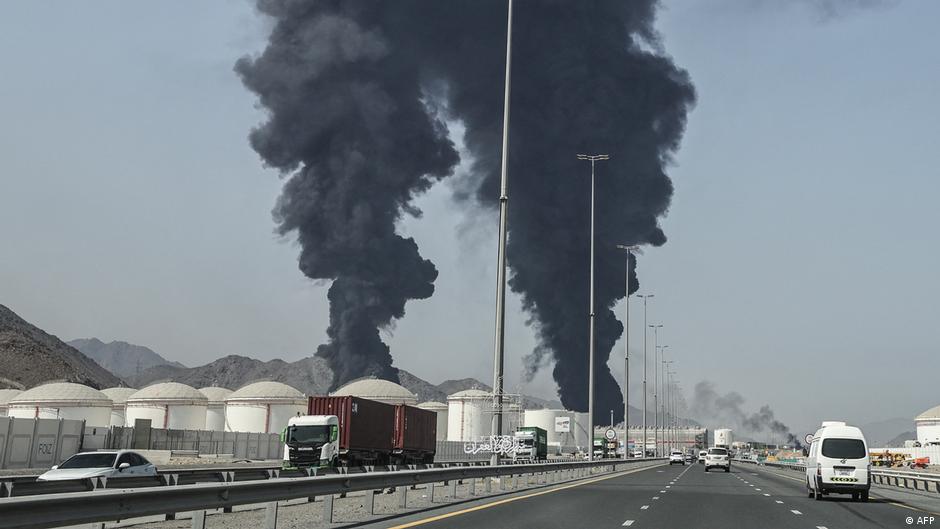
UAE’s undisclosed strikes on Iran raise regional tensions, impacting Gulf equities, bonds, and investor confidence amid ongoing conflict.

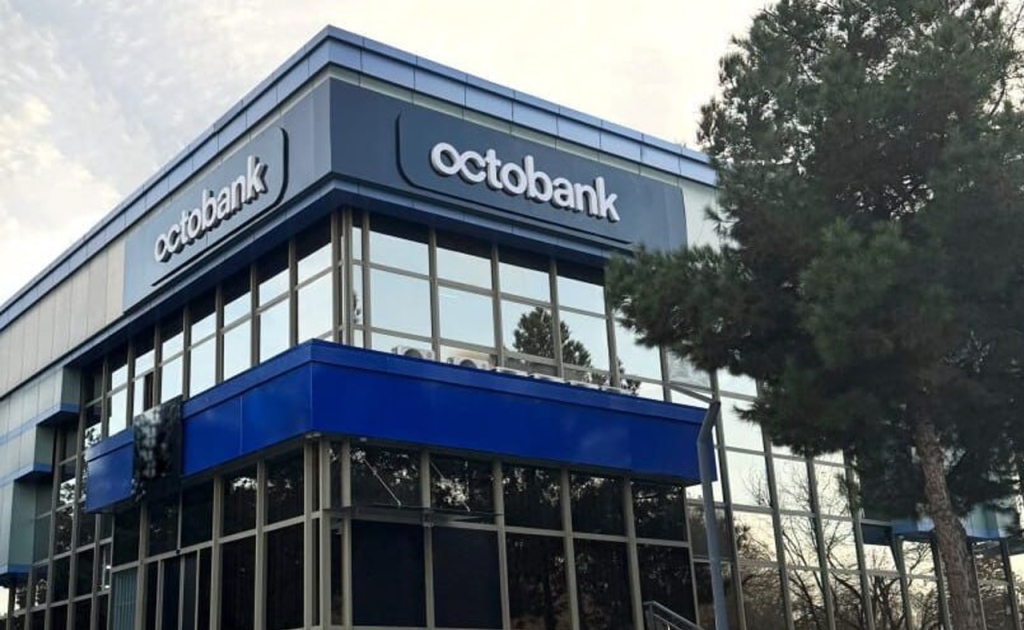
Uzbek banks reported a 30.88% rise in deposits in Q1 2026, led by Octobank's 416% surge, indicating growing market confidence and liquidity for investors.

US tariff hikes on EU autos raise fears of a German recession in 2026, unsettling capital markets and prompting investor caution amid escalating trade tensions.

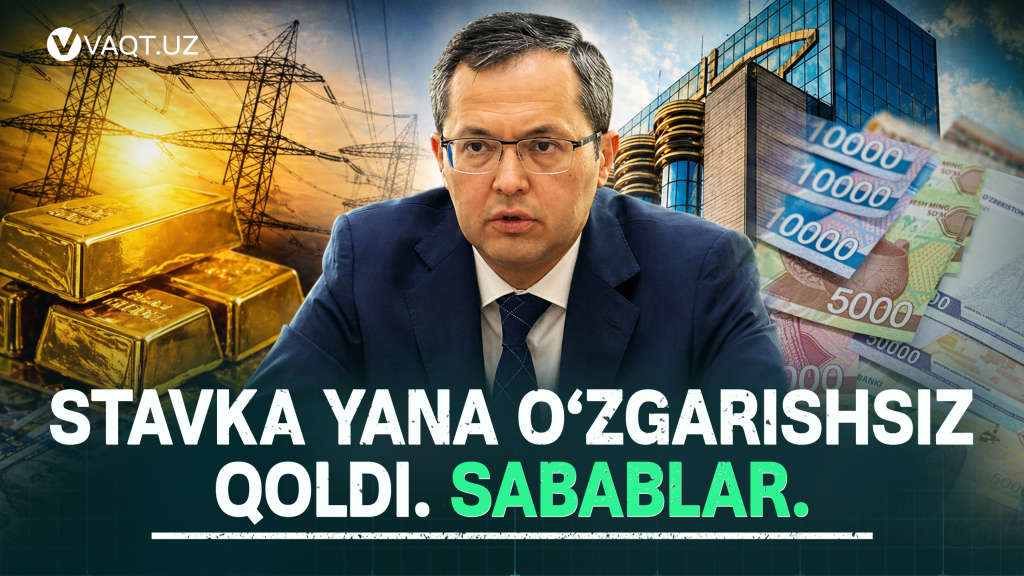
The Central Bank keeps the key rate at 14%, balancing declining inflation against rising food prices and external risks, impacting capital markets and investor outlook.

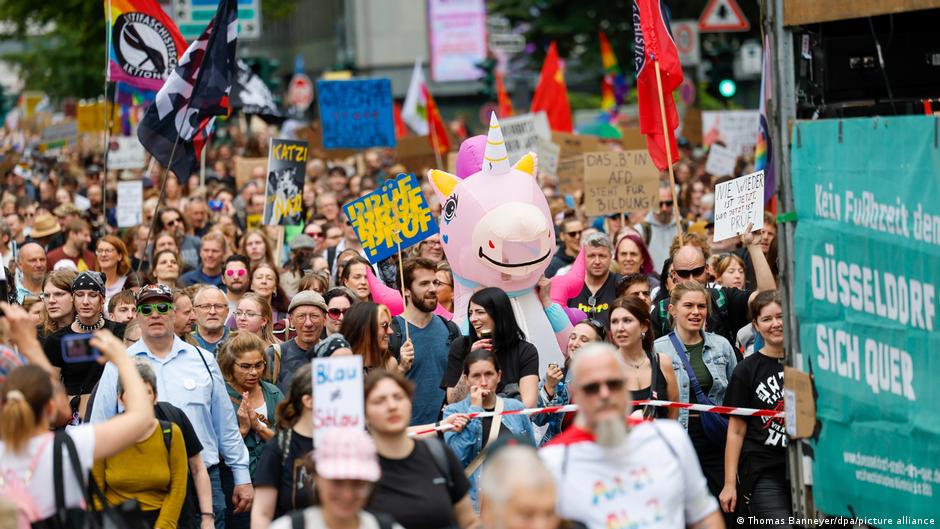
The AfD expelled Alexander Eichwald for a Hitler-like speech, highlighting political risks in Germany that could impact investor confidence and market volatility today.

The hacking of Bundestag chair Julia Klöckner’s Signal account reveals risks to political communications in Germany, raising concerns about market stability and investor confidence.

Tashkent’s farmers’ markets showed strong profit growth in 2025, with Askiya market leading gains and Qoyliq market facing declines, impacting investor strategies.

Peter Magyar's Tisa party wins Hungary's parliamentary majority amid fraud claims, signaling potential shifts in policy and market volatility for investors.

Dilshod Ahmedov, former head of Uzbekistan’s O‘zmetkombinat, is internationally wanted on embezzlement charges, raising concerns about governance in state enterprises and market confidence.

Germany's Koblenz Bundeswehr Military Museum has restricted access for Uzbek and other Central Asian nationals, citing security regulations affecting cultural tourism and market perceptions.