Phishing Attack on German Bundestag Head’s Signal Account Raises Security Concerns for Political Markets
Hack of Julia Klöckner’s Signal account exposes CDU leadership chat amid ongoing phishing wave targeting political figures in Germany.
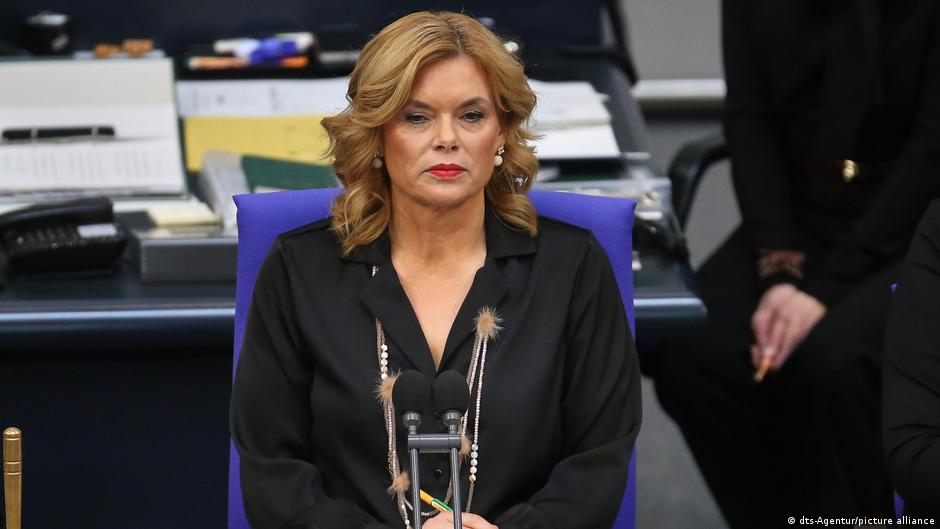
The recent hacking of Julia Klöckner’s Signal messenger account, the chairwoman of the German Bundestag and deputy leader of the Christian Democratic Union (CDU), has sent ripples through Germany’s political and cybersecurity landscape. The breach, reportedly the result of a phishing attack, compromised a group chat including CDU leader and Chancellor Friedrich Merz, raising concerns about the security of sensitive communications within the ruling party.
Market Implications of the Cybersecurity Breach
The incident underscores growing vulnerabilities in digital communication channels used by high-profile politicians, which could have broader ramifications for capital markets. Investors closely monitor political stability and party dynamics, especially within Germany, Europe’s largest economy and a key player in global markets.
With the Bundestag chairperson’s Signal account hacked and potentially numerous other high-ranking officials targeted — the Federal Office for the Protection of the Constitution (BfV) estimates over 300 victims — market participants may question the resilience of Germany’s political institutions to cyber threats. Such concerns can fuel short-term volatility in equities and government bonds, particularly those linked to CDU-led administrations.
“It should be assumed that malicious actors are covertly harvesting data from numerous parliamentary groups on Signal, indicating a widespread security breach at the highest levels,” a BfV report warned.
This warning accentuates the potential for sensitive political information leaks, which can affect investor sentiment, especially if negotiations on economic or fiscal policies are disrupted or manipulated.
To date, no direct breach has been found on Chancellor Merz’s personal device, mitigating immediate fears about disruptions in the executive branch. Nonetheless, the episode highlights the vulnerabilities in communication infrastructures critical to governance and policy-making.
Political uncertainty driven by cybersecurity threats can prompt risk-averse behavior among investors, influencing capital flows toward safer assets like German Bunds. Conversely, any perceived weakening of the ruling coalition’s stability can also lead to volatility in the equity markets, particularly in sectors sensitive to public policy changes.
Broader Context of Cyberattacks on Political Figures
Germany has been facing a persistent wave of phishing attacks aimed specifically at high-ranking politicians, military officials, diplomats, and investigative journalists. The Federal Office for Information Security (BSI), in cooperation with BfV, recently issued a comprehensive 20-page advisory to parliamentary faction leaders warning about the ongoing threat.
The document highlighted that the true scale of breaches is likely higher than publicly acknowledged, amplifying concerns among investors about potential disruptions in governance and policy continuity. This environment may lead to a premium on cybersecurity investments and increased scrutiny of political risk in market analysis.
For investors, understanding the intersection of cyber threats and political stability is crucial in assessing risk profiles for German and European assets. While the immediate impact on markets may be muted if quick mitigation occurs, the incident serves as a reminder that digital vulnerabilities in political communication can have tangible financial consequences.