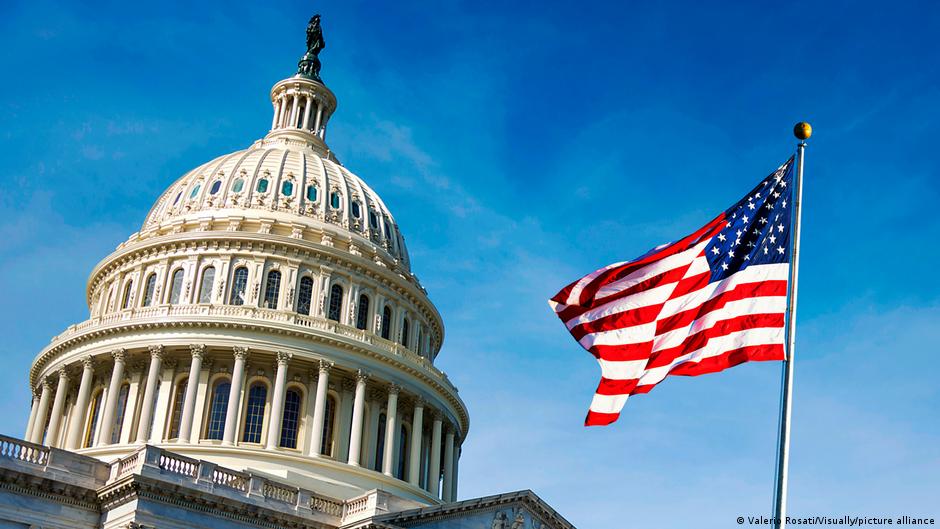
U.S. House Bill to Ban Russian Oil Adds Policy Risk for Energy Markets
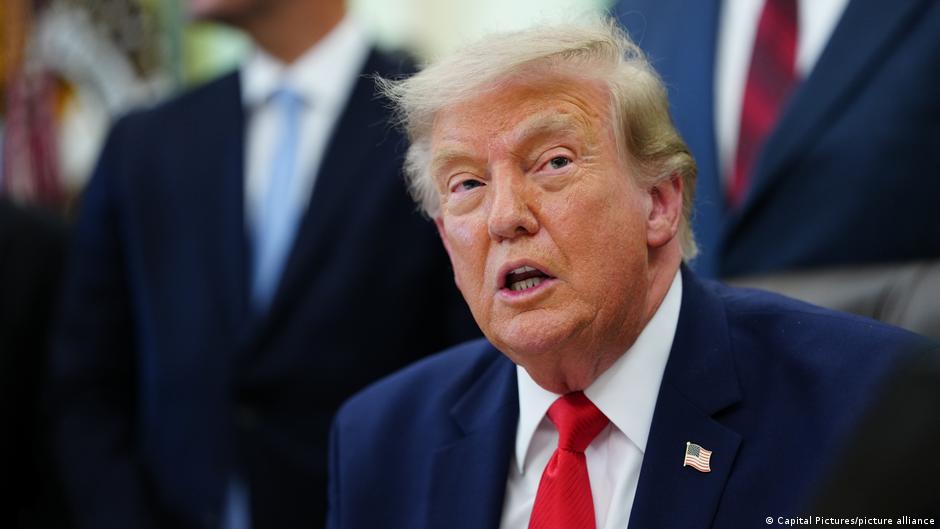
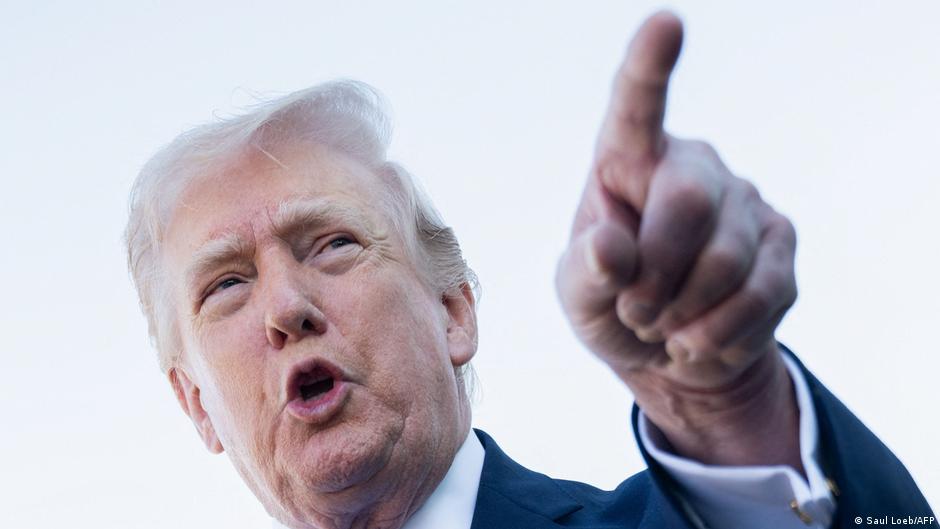
A bipartisan House push to ban Russian oil purchases could complicate energy-market assumptions after Trump cited diesel supply talks with Putin.

A bipartisan House push to ban Russian oil purchases could complicate energy-market assumptions after Trump cited diesel supply talks with Putin.

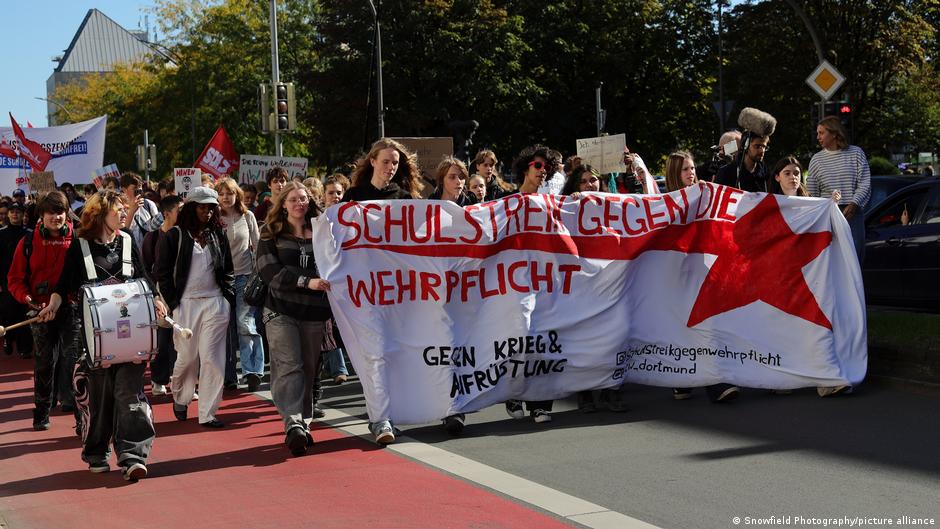
Germany’s surge in military-service refusal filings adds a new labor and political risk marker for investors tracking defense spending.
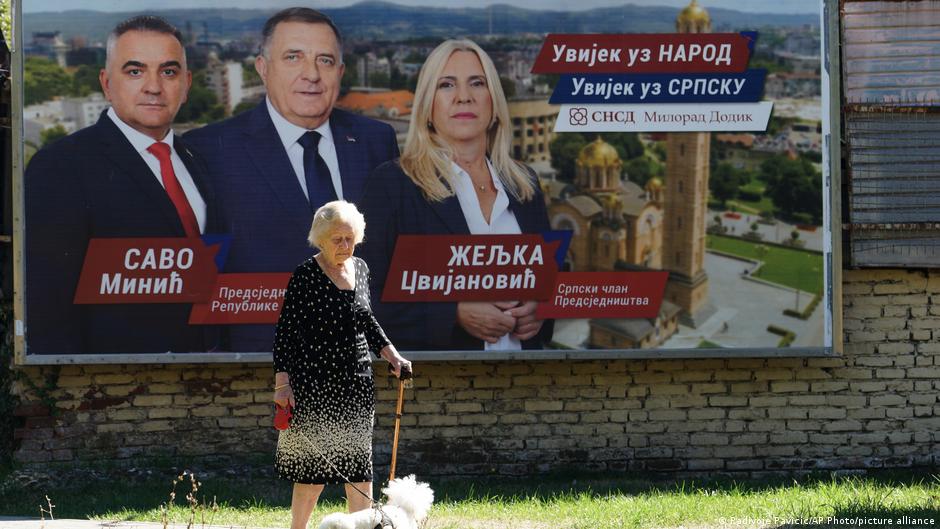
Ruling-party candidates and Dodik allies prevailed in Bosnia’s elections, offering continuity while leaving investors focused on political and bond-market risk.
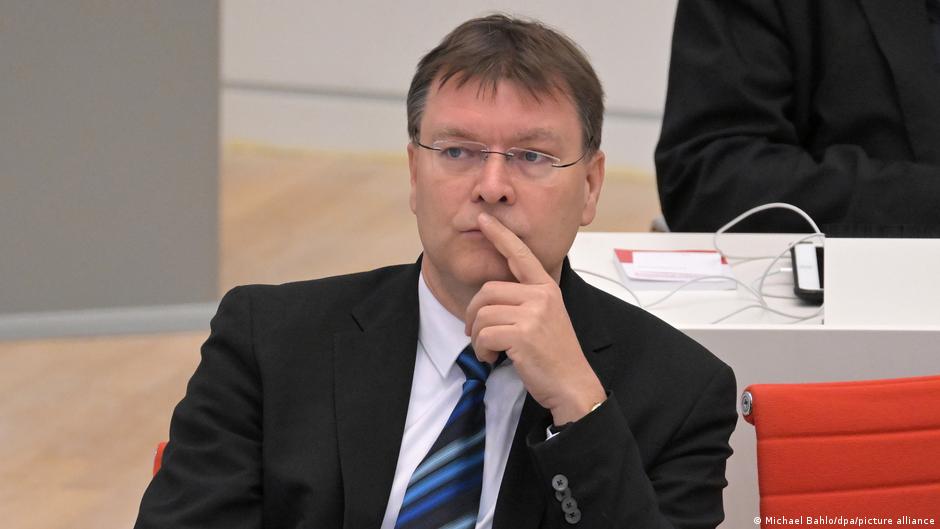
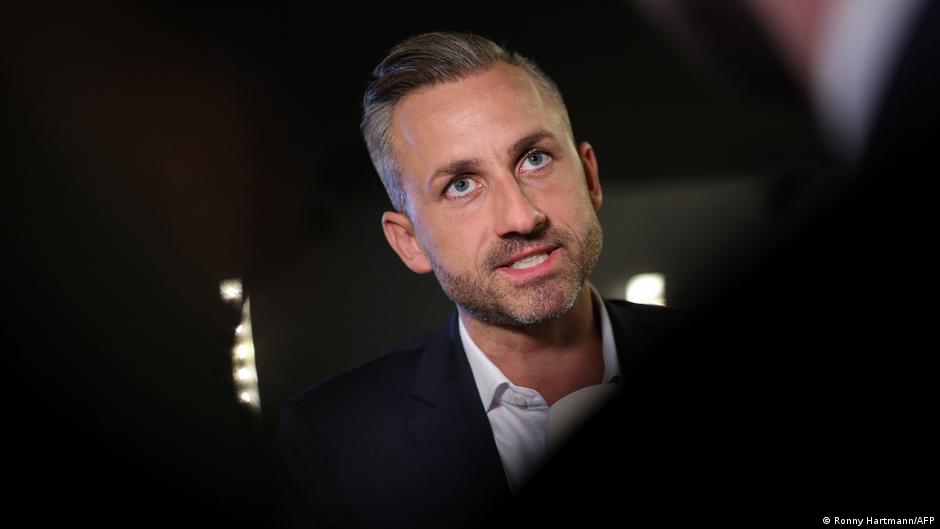
BSW lawmaker Sven Hornauf plans delegations to Belarus and Russia, underscoring political risks investors are tracking in Germany.

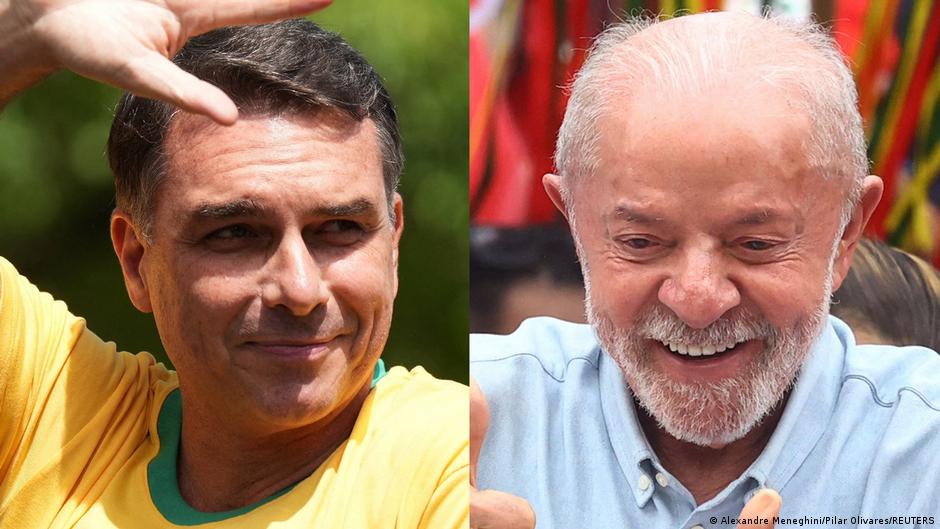
Brazil’s presidential race heads to an October 25 runoff after Flavio Bolsonaro led Lula in the first round, adding political risk for investors.

Germany’s economy minister warned that the Left Party’s Berlin victory could hurt investor confidence and Germany’s business appeal.

Seoul’s warning to Kyiv adds a new geopolitical risk factor for investors watching Korean assets, defense stocks and Ukraine-war exposure.

AfD failed to win three mayoral runoffs in Lower Saxony, while Greens held Hanover and gained other urban posts, offering investors a signal of local continuity.

The EU will add €710 million in humanitarian aid, with investors watching how crisis spending fits into Europe’s wider fiscal outlook.

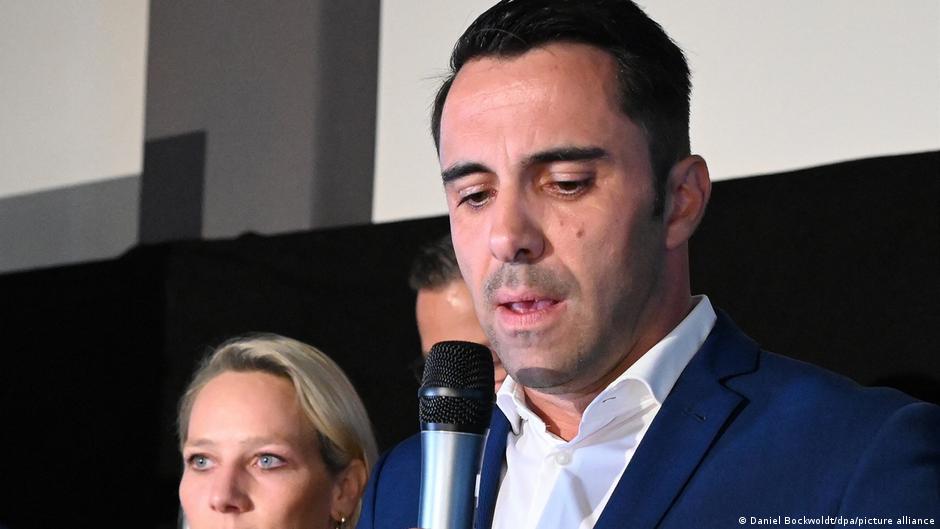
The CDU’s failure to enter a German state parliament adds political risk to the investor agenda as coalition talks begin without the AfD.

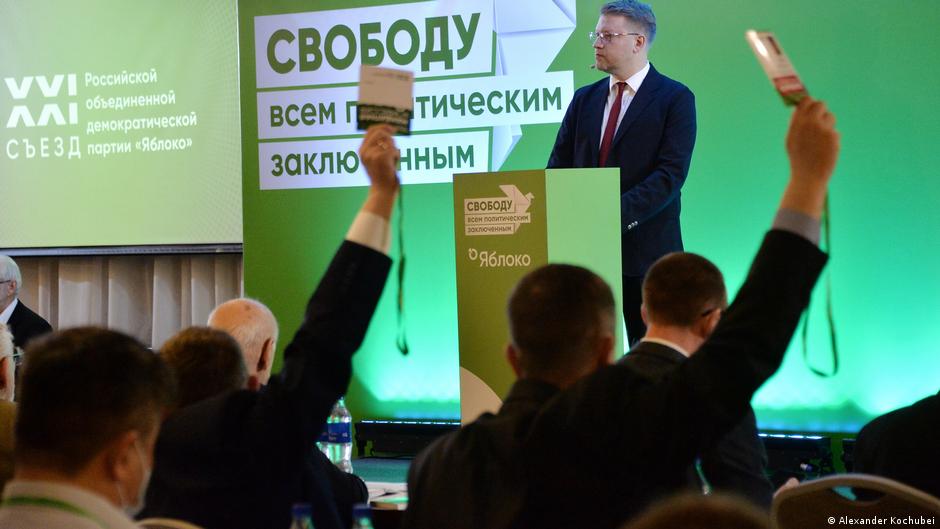
Yabloko’s Novgorod showing preserves a procedural path into future Duma races, adding nuance to Russia’s political risk picture for investors.

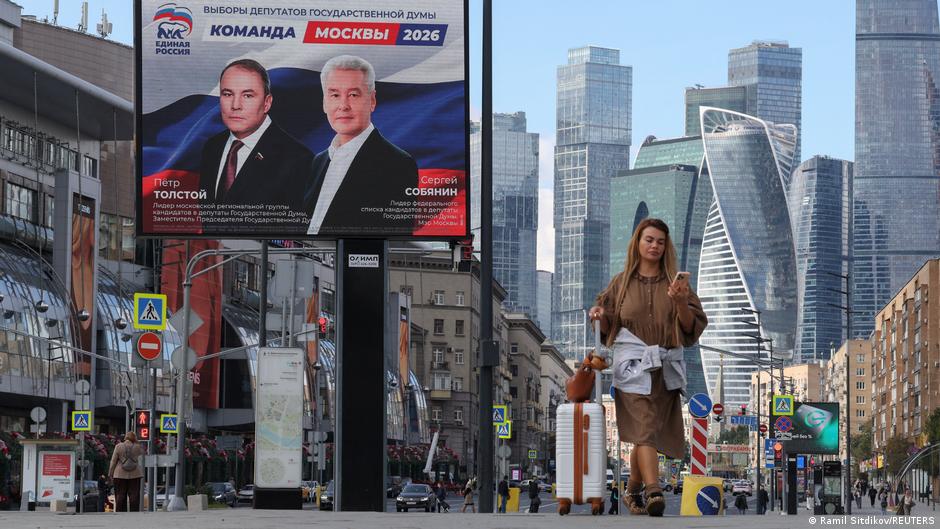
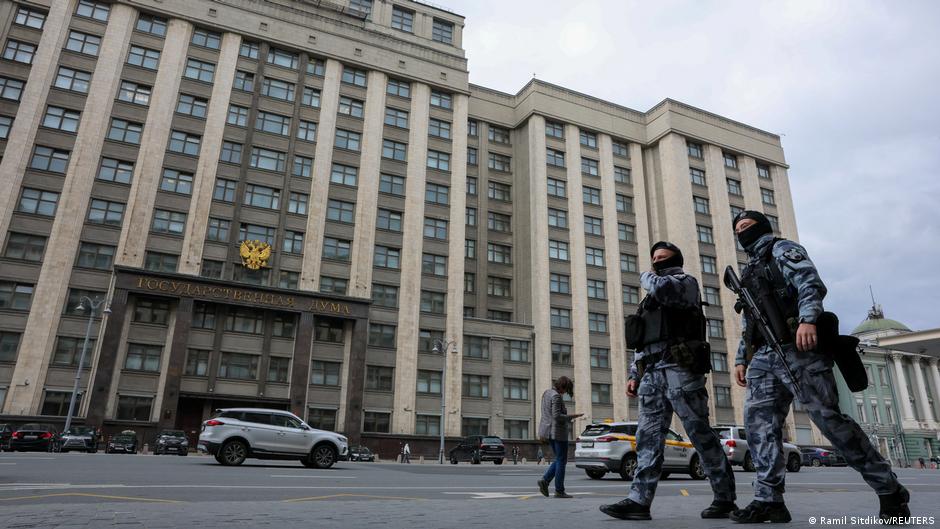
United Russia’s projected Duma win signals policy continuity, but sanctions and legitimacy risks remain central for investors.

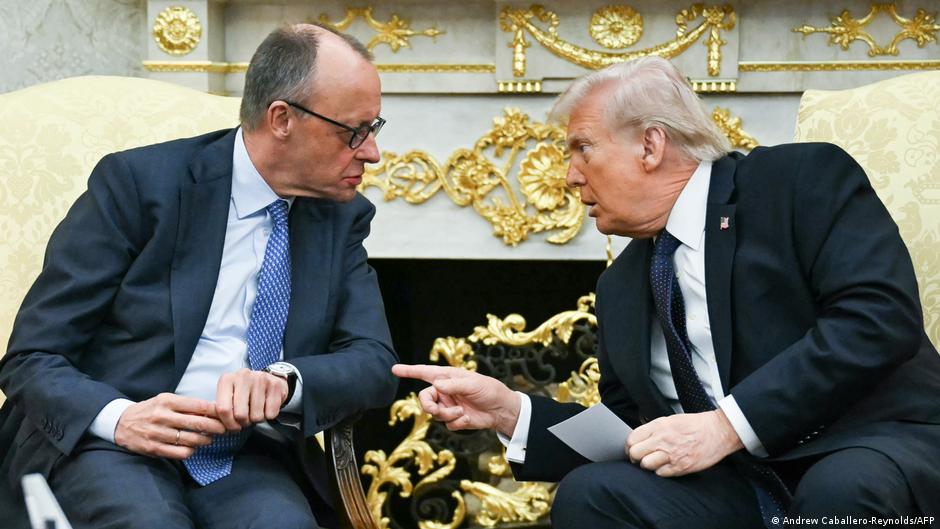
Merz said unconditional U.S.-German friendship may be over, pointing to defense spending, trade tensions and growth risks for investors.

Russia’s three-day Duma election opens as investors assess policy continuity, sanctions risk and verification concerns in occupied territories.

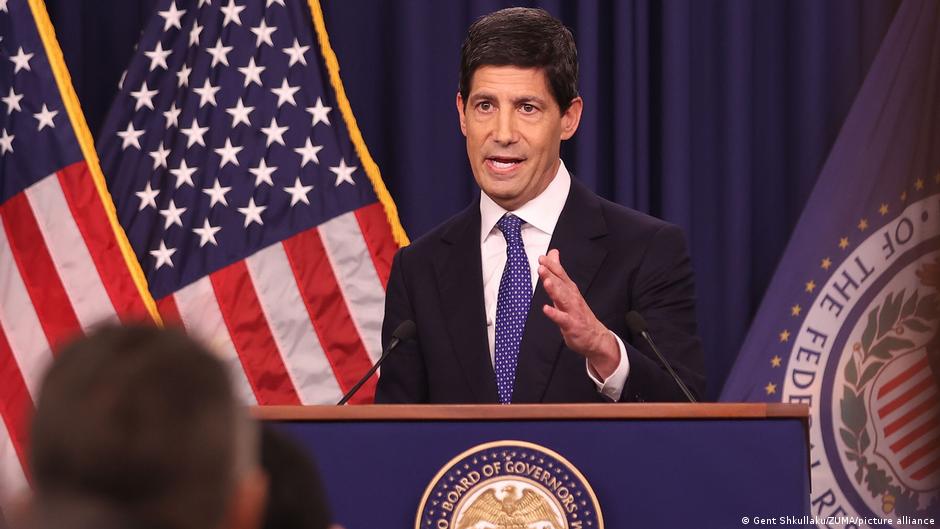
The Fed raised rates to 3.75%-4.00% for the first time in three years, shifting investor focus back to inflation, yields and equity valuations.

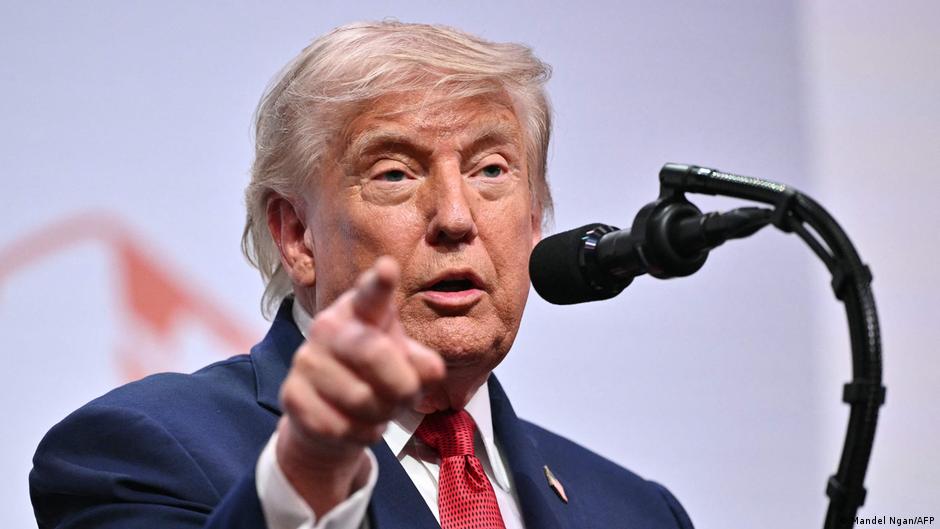
Trump’s threat to halt EU trade over closer EU-Canada ties raises tariff risks for equities, bonds and global supply-chain investors.

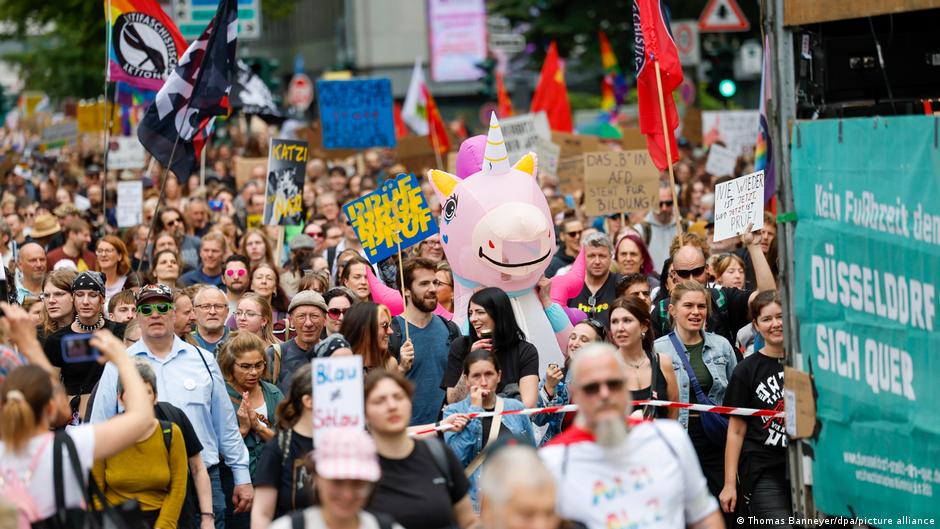
Mass anti-extremism protests in Germany highlight political uncertainty as investors assess AfD momentum, legal risks and market confidence.

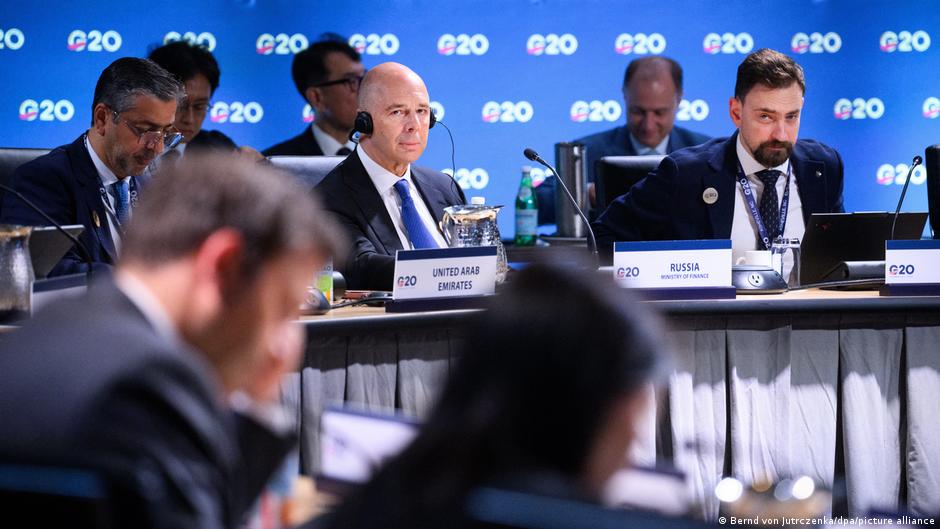
Russia is expected at next week’s G20 energy talks in Houston, putting energy security and sanctions risk back in focus for investors.

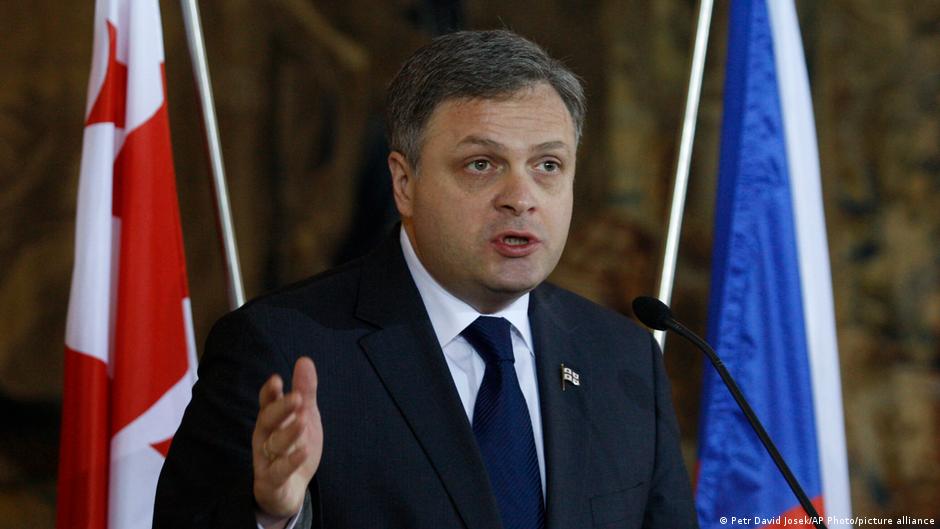
Georgia’s detention of former defense chief Giorgi Baramidze adds political-risk pressure for investors tracking the country’s assets.

France warned CNews of possible criminal proceedings if expelled former RT France chief Ksenia Fedorova returns to its airwaves by video link.

Germany’s foreign minister says Berlin’s support for Ukraine should also benefit German defense companies, sharpening the market focus on procurement.

AfD’s projected Saxony-Anhalt victory adds a fresh political-risk signal for investors watching German equities, Bunds and Europe’s risk premium.

AfD’s decisive Saxony-Anhalt win leaves no clear governing majority, adding political risk for investors watching Germany’s markets.

The EU canceled a planned defense expert group after German and Italian resistance, adding execution risk to Europe’s defense spending outlook.

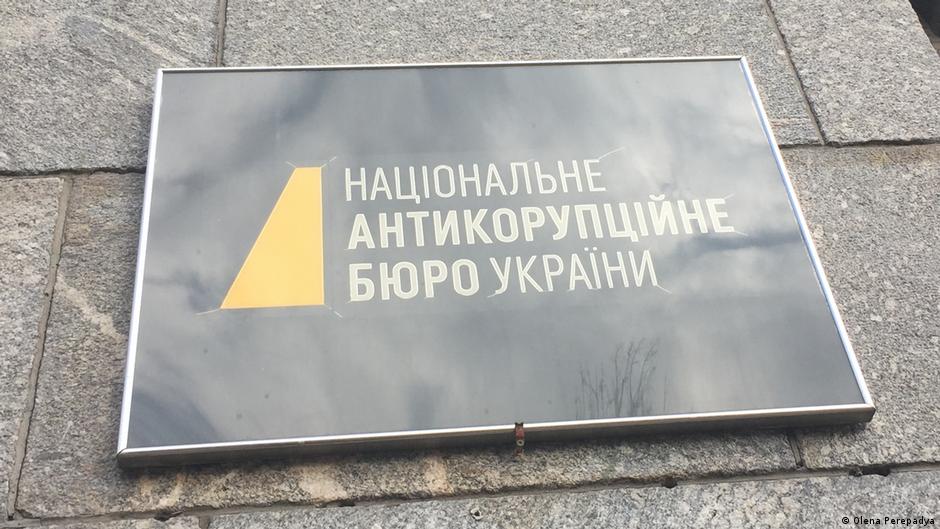
Ukraine’s anti-corruption raids at the prosecutor general’s office highlight governance risks watched by investors in Ukrainian assets.

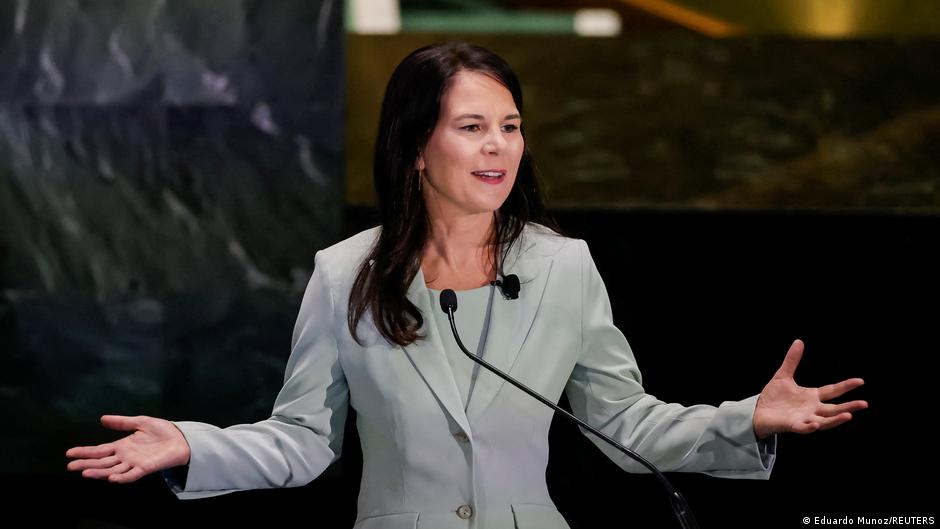
Annalena Baerbock, former German Foreign Minister and UNGA President, joins Columbia University as co-director of a global leadership program, blending diplomacy with academia.

The detention of Kremlin-critic blogger Ilya Remeslo marks heightened political risks in Russia, impacting investor confidence and capital markets amid growing repression.

Russia's covert air fleet supporting military operations in Africa raises risks of new sanctions, impacting equities and bonds linked to implicated aviation firms.

Serbia schedules early parliamentary elections for October 2023 amid protests and political uncertainty, raising concerns about market volatility and investor confidence.

Support for Germany’s CDU/CSU falls to 20% as far-right AfD leads with 28%, signaling increased political risks impacting equities and bond markets ahead of regional elections.

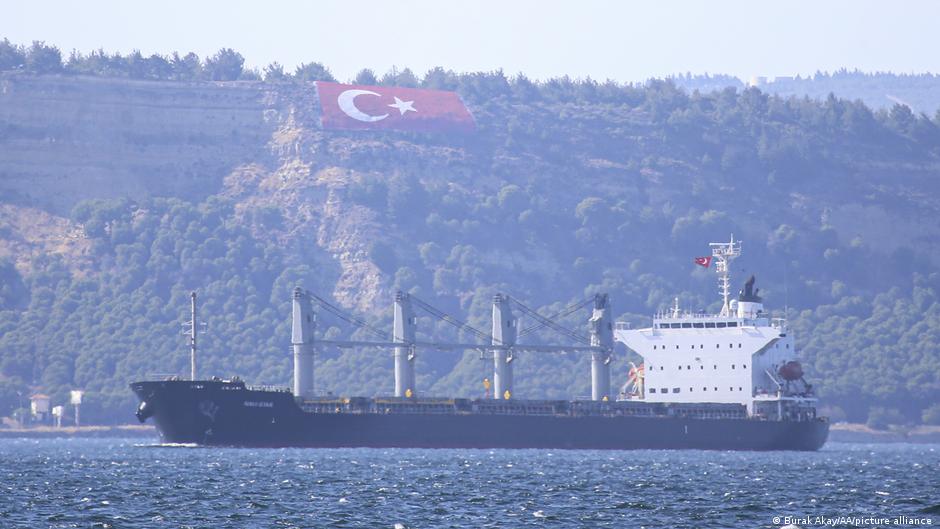
Turkey has reopened its straits to commercial shipping, easing recent restrictions that impacted Black Sea trade routes amid regional security threats.

US President Trump announced a historic Hamas disarmament deal, signaling potential easing of Middle East tensions and impacting regional equities and bonds.
Former Spanish PM Mariano Rajoy's controversial remarks about the French football team spark political backlash, raising concerns about potential impacts on European markets and investor confidence.

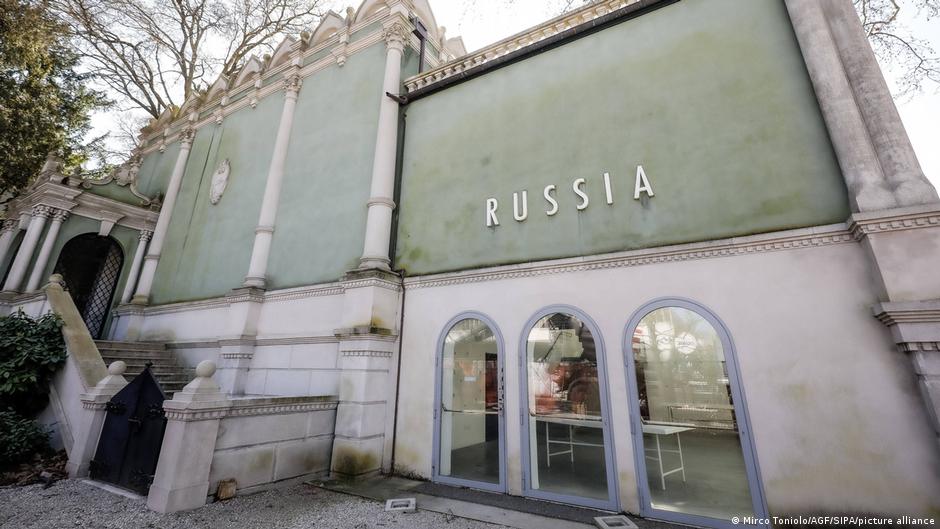
The EU recommends withholding €2 million funding from the Venice Biennale due to Russia's participation, highlighting political risks affecting cultural financing and market stability.

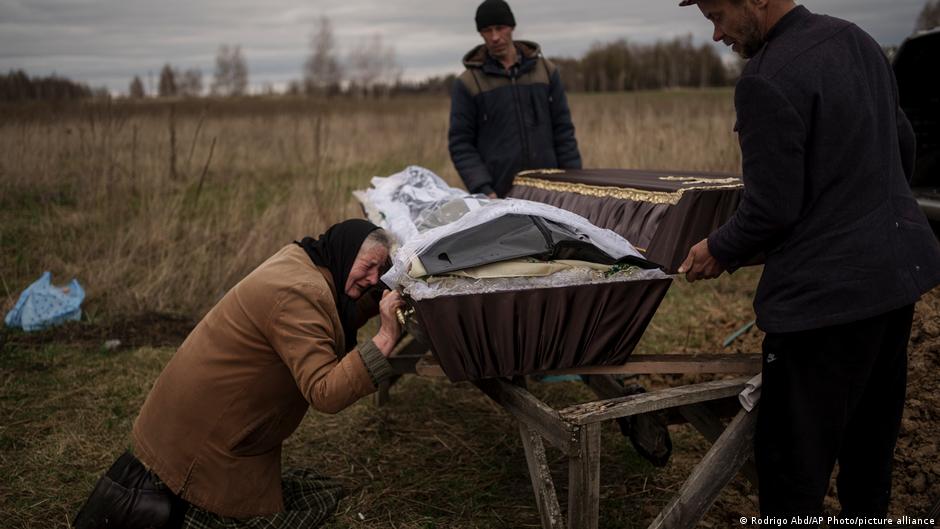
June 2026 saw the highest civilian casualties in Ukraine since the conflict began, raising investor concerns over regional stability and impacting equity and bond markets.

Recent Russian missile and drone attacks on Kyiv have escalated regional tensions, causing fatalities and infrastructure damage, leading to increased market volatility and investor caution.

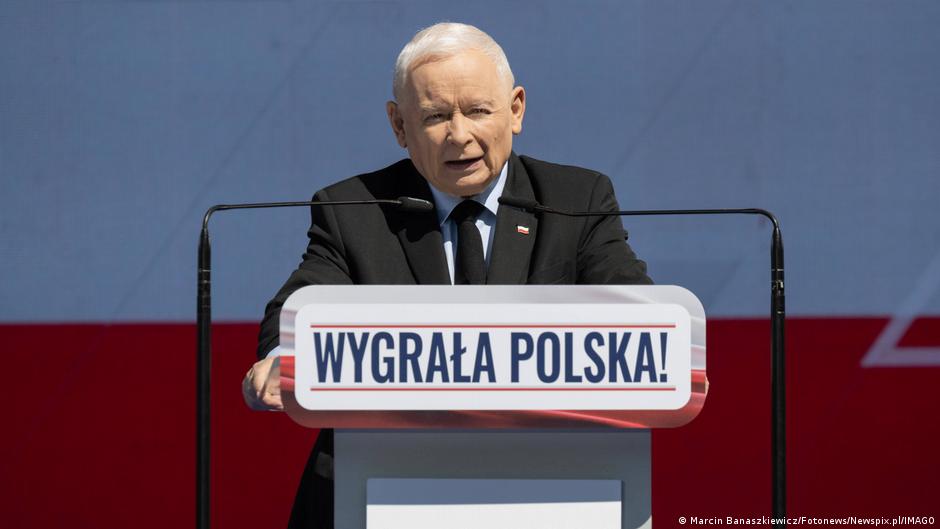
Polish opposition leader Jarosław Kaczyński urges blocking Ukraine’s EU accession talks, highlighting increased political tensions and potential impacts on regional markets and investors.

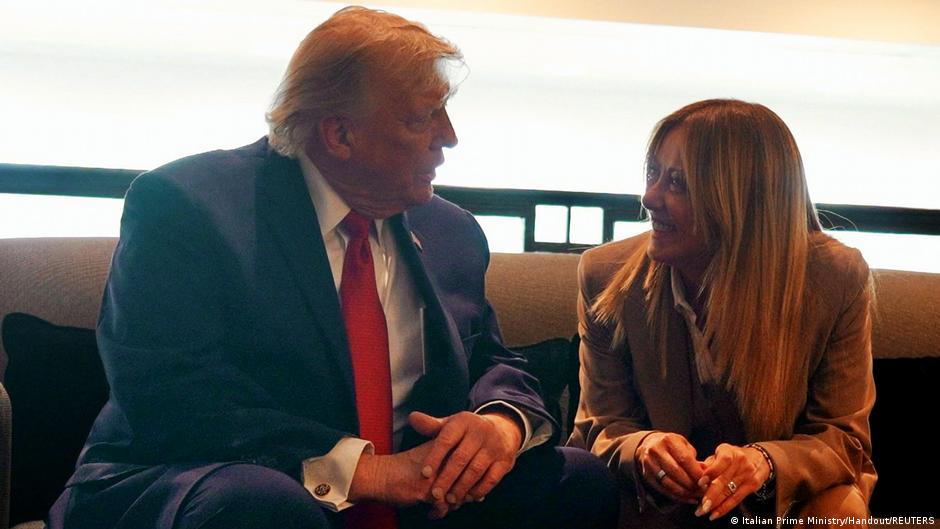
Italy’s Foreign Minister Antonio Tajani canceled his U.S. visit after Trump’s disparaging remarks about PM Meloni, raising concerns about diplomatic tensions and market impacts.

The EU has extended sanctions on Russia for one year, impacting equities, bonds, and energy markets as investors adjust to sustained geopolitical risks.

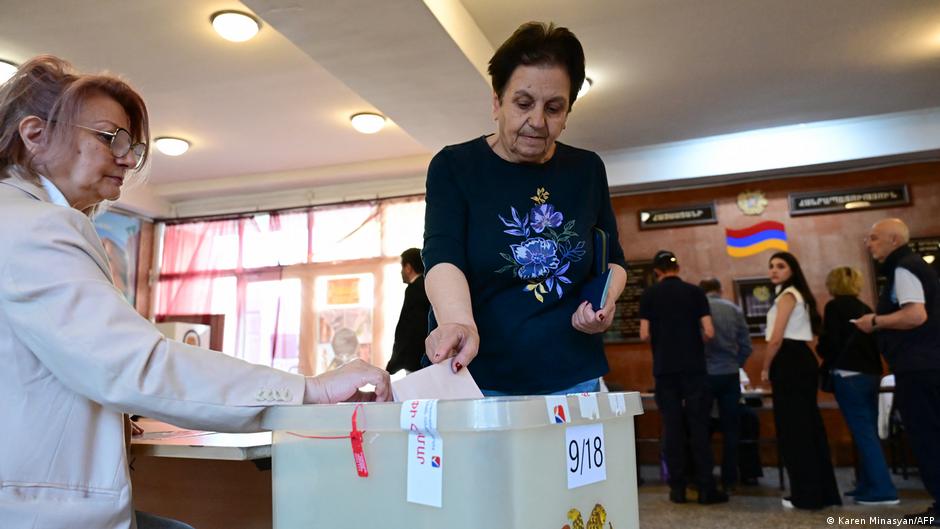
Armenia’s parliamentary elections affirm Prime Minister Pashinyan’s leadership, signaling policy continuity amid geopolitical tensions impacting investor confidence and markets.

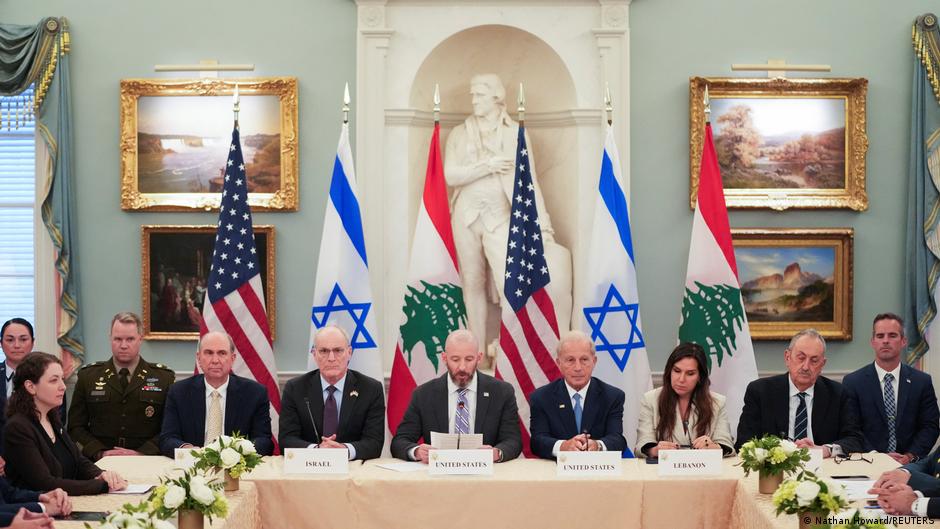
The US-brokered ceasefire between Israel and Lebanon prompts cautious optimism in equities and bond markets amid ongoing geopolitical risks in the Middle East.

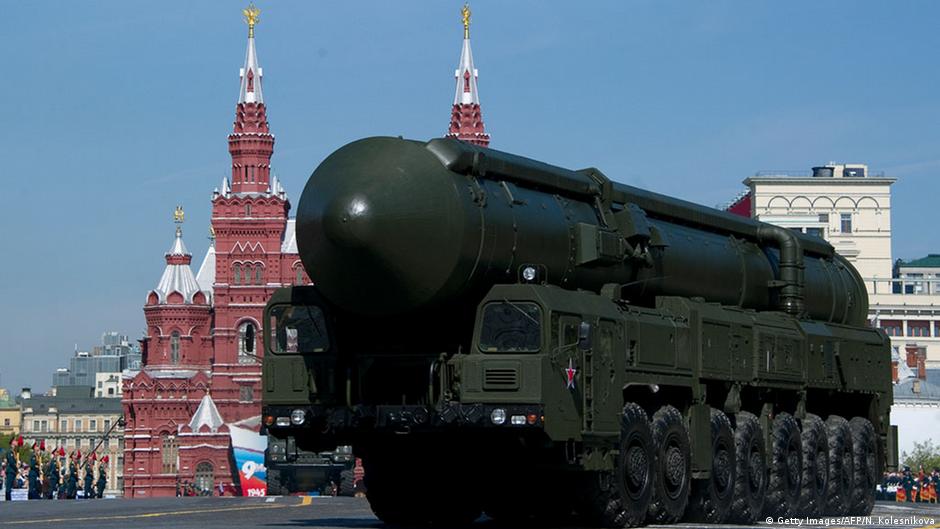
NATO detects possible Russian nuclear-capable seabed missiles, raising geopolitical risks that could impact defense equities and global capital markets.

The US Senate advanced a resolution limiting presidential war powers against Iran, influencing market stability amid ongoing geopolitical tensions.

US President Trump delays planned Iran strike after Gulf leaders intervene, triggering cautious market reactions amid ongoing high-stakes negotiations.

Russian drone and missile strikes on multiple Ukrainian regions heighten investor concerns over security risks and market volatility in affected areas.

Palm Beach International Airport will be renamed after President Trump, changing its IATA code to DJT, signaling potential shifts in investor sentiment in equities and bonds.

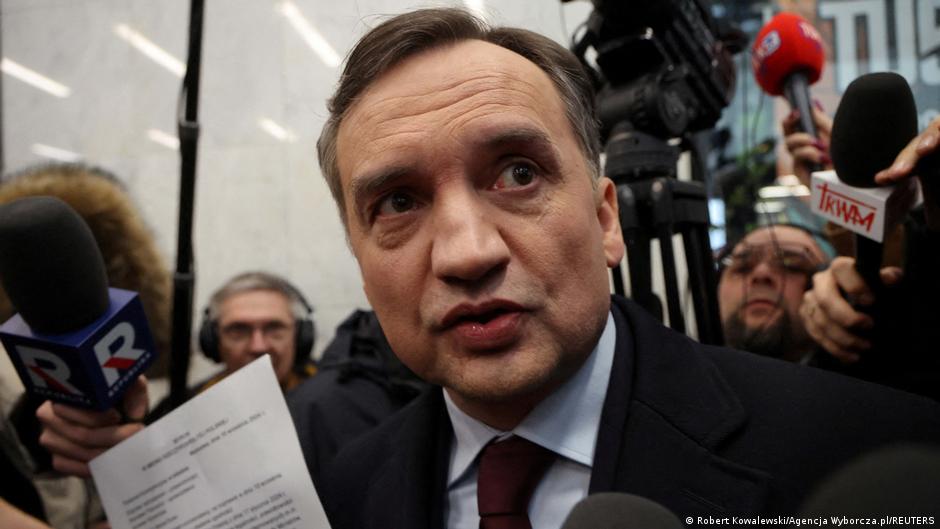
Poland’s former justice minister fled Hungary for the US amid corruption probes, heightening political risk concerns for Central European markets and investors.

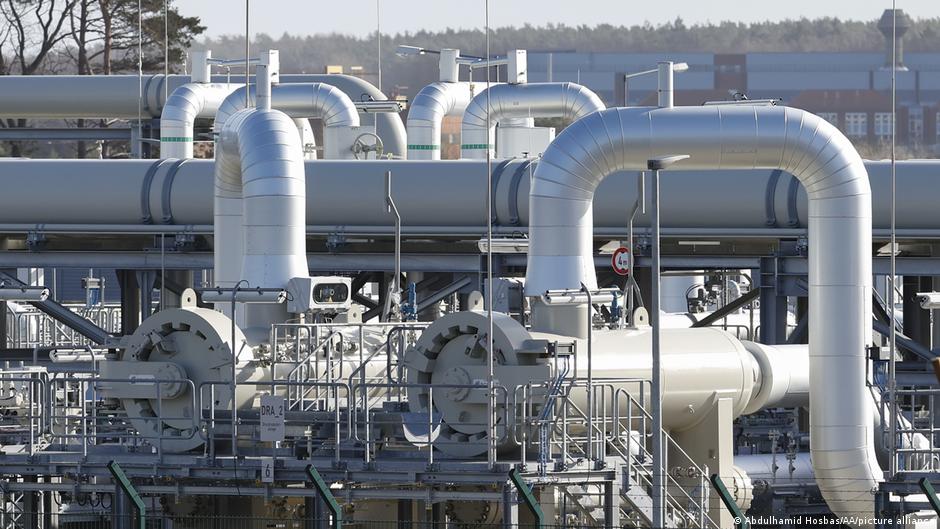
Germany plans to transfer an 84 MW gas power plant once serving Nord Stream to Ukraine as humanitarian aid, reflecting shifts in European energy markets and investor risks.

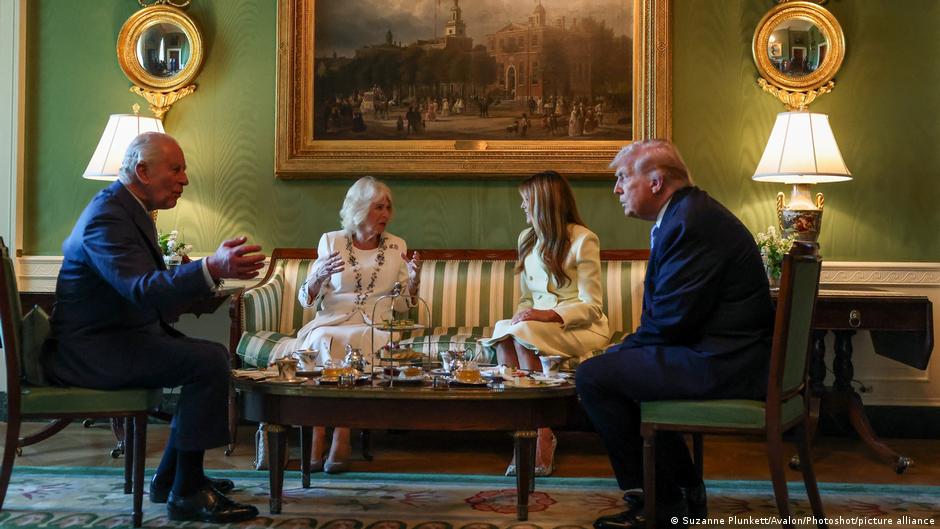
King Charles III's US visit amid UK-US geopolitical tensions prompts cautious investor outlook as capital markets weigh impacts on equities and bonds.

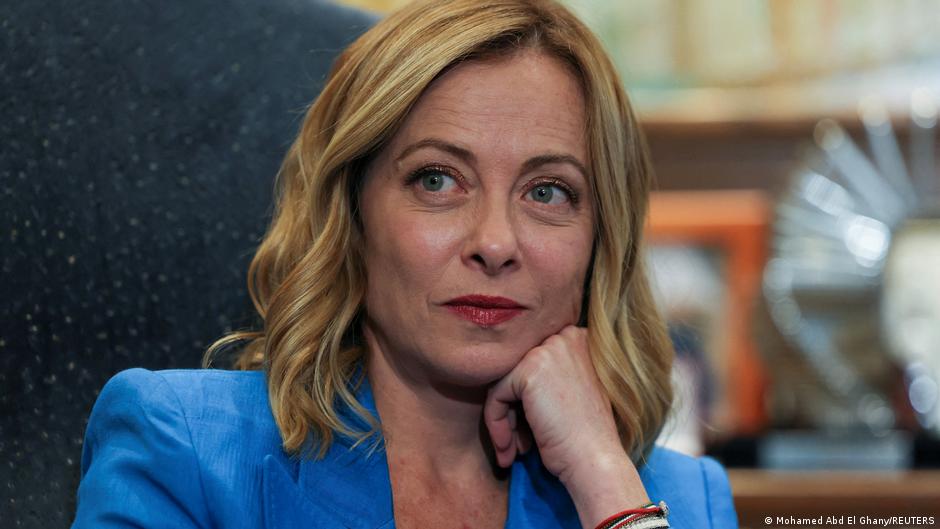
Italian PM Meloni condemns Russian media insults, gaining political support amid rising geopolitical tensions that may affect Italian markets and investor confidence.