US Senate Advances Resolution to End War with Iran, Impacting Market Sentiment
The Senate's move to restrict presidential war powers against Iran influences investor confidence amid ongoing geopolitical tensions.
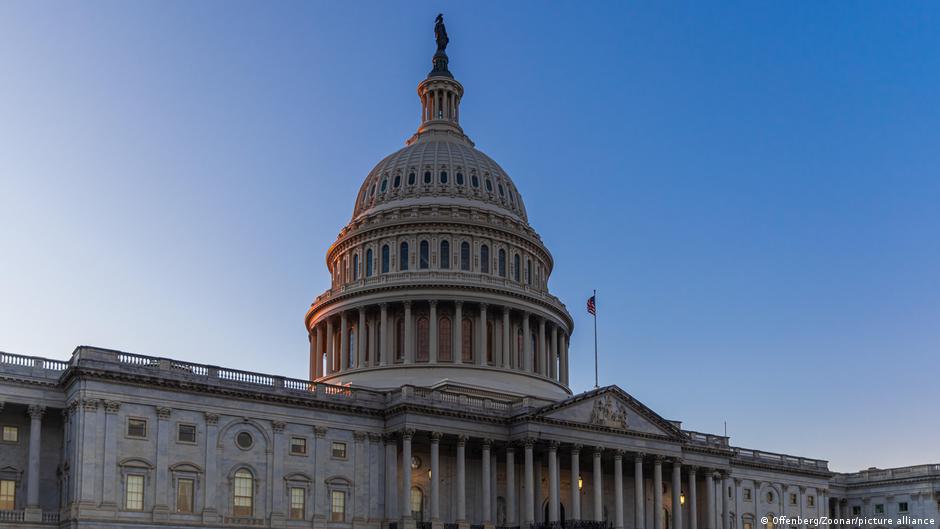
The United States Senate took a significant step on May 19 by advancing a resolution that would require President Donald Trump to either end military actions against Iran or obtain Congressional approval before continuing them. This development, following previous unsuccessful attempts, carries important implications for capital markets and investors closely monitoring geopolitical risks.
Senate Vote and Political Context
The procedural vote in the Senate passed with 50 senators in favor and 47 against, signaling a narrow majority willing to reconsider limitations on presidential war powers. However, three Republican senators did not participate due to their election campaigns, reducing the likelihood that the resolution would pass the full Senate. Earlier this year, Republican opposition blocked seven prior attempts to advance this measure.
Originally brought to a vote in March, shortly after the commencement of US and Israeli military operations against Iran, the resolution aims to enforce the War Powers Act of 1973. This law restricts the president to conducting military operations without Congressional consent for no longer than 60 days. Beyond that, formal approval is necessary.
"This is the perfect time for discussion before we start another war. The president receives peaceful and diplomatic proposals which he discards without sharing with us," said Senator Tim Kaine, the lead Democratic advocate behind the procedural vote.
Despite President Trump notifying Congress on May 1, 2026, that the war with Iran had ended following the 60-day period, US military actions continue, including blockades of Iranian ports and strikes on Iranian vessels, sustaining regional tensions.
Market Implications and Investor Reactions
The Senate's push to rein in unilateral military engagements has been met with cautious optimism in equity and bond markets. Investors generally perceive a potential Congressional check on executive war powers as a factor that could reduce the risk of further escalation in the Persian Gulf region, thereby stabilizing oil prices and lowering market volatility.
Energy sector stocks, particularly those sensitive to Middle East geopolitics, have seen moderate gains amid hopes for de-escalation. Conversely, defense sector equities experienced slight declines as the prospect of curtailed military operations could impact government contracts and spending.
Bond markets also responded to the political developments. US Treasury yields, which typically fall during periods of geopolitical uncertainty due to flight-to-safety buying, showed signs of stabilization as investors digested the possibility of a more restrained US military posture.
However, uncertainty remains high given the close Senate vote and the unresolved status of the resolution. Investors are advised to monitor further Congressional actions and administration responses for clearer indications of future US engagement in the region.
Conclusion
The Senate's advancement of the resolution to limit presidential military authority regarding Iran represents an important political check that affects market sentiment. For investors, this development underscores the ongoing interplay between geopolitical events and capital markets, highlighting the need for vigilance in managing risk exposure related to Middle East tensions.