Germany to Transfer Gas Power Plant from Nord Stream Pipeline to Ukraine Amid Energy Crisis
German energy firm Sefe will hand over an 84 MW gas-fired plant once serving Nord Stream to Ukraine as humanitarian aid, impacting energy markets and investor sentiment.
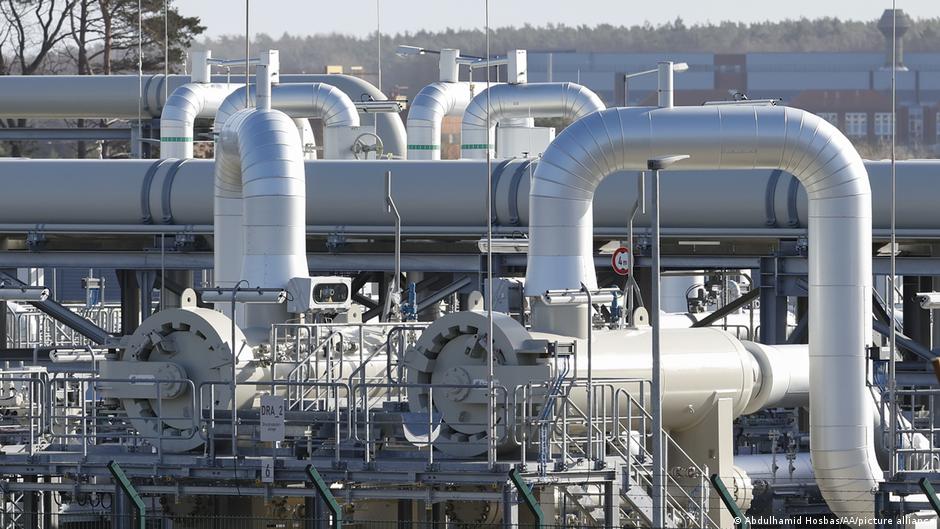
Germany is set to transfer a gas-fired thermal power plant, formerly used to support the Nord Stream gas pipeline, to Ukraine as part of humanitarian aid on a self-pickup basis, a move signaling shifts in European energy infrastructure and market dynamics.
Background and Market Implications
The plant, located in Lubmin near Greifswald and owned by Industriekraftwerk Greifswald GmbH (IKG), provided technological heat for the Russian gas supply entering the German gas transport network. The facility's capacity is approximately 84 megawatts of heat and electricity.
Following Russia's reduction and eventual full halt of gas supplies through Nord Stream in the summer of 2022, and subsequent explosions damaging both Nord Stream and Nord Stream 2 pipelines, Germany declared a formal cessation of Russian gas imports. These developments have had significant repercussions on energy equities and bond markets, with investors reassessing exposure to energy infrastructure linked to Russian supply chains.
Since the cessation of Russian gas deliveries via the Baltic Sea route in September 2022, operating the power plant became economically unviable due to lack of alternative heat consumers. The plant ceased operations entirely in 2023.
"Transferring the plant to Ukraine is economically sensible, avoiding dismantling costs while supporting Ukrainian energy infrastructure," stated Sefe, the majority owner of IKG.
Attempts to sell the plant to other buyers failed, leading Sefe Securing Energy for Europe (formerly Gazprom Germania) to offer the station to Ukrainian power operators. This transfer, while humanitarian, reflects a strategic repositioning of energy assets amidst geopolitical tensions and disrupted supply chains.
Investor Considerations and Market Outlook
The handover affects investor sentiment across European capital markets, particularly in sectors linked to energy infrastructure and utilities. The shutdown and divestment of assets tied to Russian gas highlight the ongoing energy transition risks and geopolitical vulnerabilities investors must consider.
Bonds and equities of companies exposed to Russian energy infrastructure face increased volatility as European nations pivot toward energy diversification and resilience. The Ukrainian power sector may see potential benefits from acquiring the plant, although operational and logistical challenges remain.
Market participants should monitor further developments in asset reallocations and the broader European energy policy response, which are likely to influence capital flows and investment strategies in the near term.
This transfer represents both a symbolic and practical shift in the European energy landscape, underscoring the intersection of geopolitics and capital markets in shaping energy infrastructure investment risks and opportunities.