UAE-Iran Missile Strikes Trigger Regional Tensions Impacting Capital Markets
Renewed Iranian missile and drone attacks on UAE escalate geopolitical risks, prompting market volatility and investor caution in energy and defense sectors.
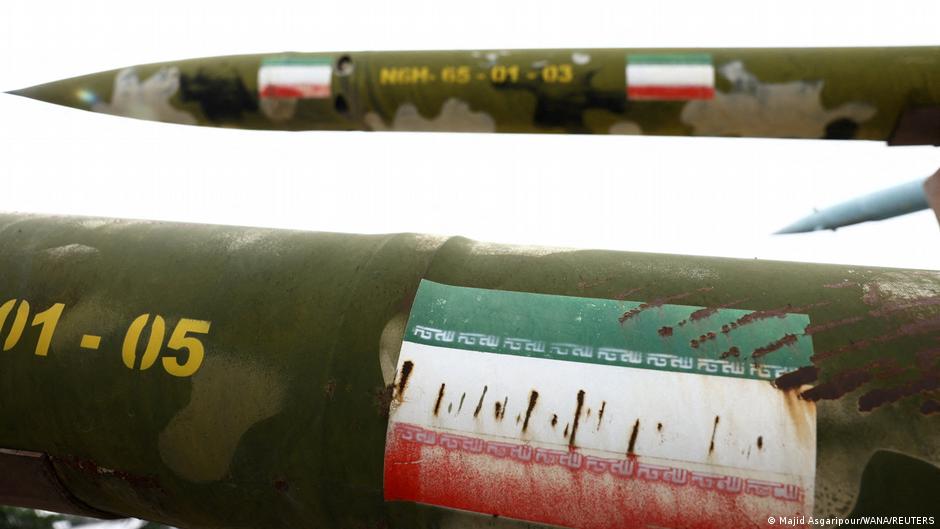
The United Arab Emirates (UAE) has reported a significant escalation in regional tensions following Iran's first missile and drone attacks in over a month, disrupting the fragile ceasefire agreed between Tehran and Washington. This development has immediate implications for capital markets, particularly in equities and bonds linked to the Gulf's energy infrastructure and defense industries.
Details of the Attacks and Immediate Market Reactions
On May 4, UAE's air defense intercepted 19 projectiles launched from Iran, including 12 ballistic missiles, three cruise missiles, and four drones targeting strategic locations such as the oil hub El Fujairah. The assault caused a fire and injured three Indian nationals, prompting the temporary shift of UAE schools to online sessions from May 5 to 8. The Ministry of Foreign Affairs condemned the attacks as a "dangerous escalation," reserving the right to respond.
"The UAE's strong stance underscores the heightened risk environment for investors, especially in oil-dependent sectors," analysts noted.
Despite Iranian state media denying any intent to attack the UAE, the regional impact is undeniable. Nearby Oman reported damage and casualties from strikes near its border, while former US President Donald Trump highlighted additional Iranian attacks on vessels in the Strait of Hormuz, a critical chokepoint for global oil shipping.
Geopolitical Risks and Investor Implications
The renewed hostilities come amid Operation Project Freedom, under which the US has pledged to escort vessels trapped in the Strait of Hormuz. Tehran has warned that US maritime interventions would violate the ceasefire in effect since April 8. This geopolitical friction has already led to heightened volatility in energy markets, with crude oil prices sensitive to supply disruption fears.
German Chancellor Friedrich Merz condemned the attacks, echoing calls for Iran to return to negotiations and halt nuclear weapon development. Market participants are now closely monitoring how these tensions might influence credit spreads and equity valuations of Gulf states and companies exposed to regional instability.
Investors are advised to reassess risk exposures in Middle Eastern energy equities and related sovereign bonds, as the potential for further escalation could pressure asset prices. Defense contractors may see increased interest due to anticipated regional arms spending, yet overall risk premiums are likely to rise, reflecting uncertainty.
In summary, the Iranian strikes against UAE targets mark a critical juncture for capital markets, underscoring the intersection of geopolitical risk and investment strategy in the volatile Gulf region.