Germany Accelerates Development of Long-Range Weapons Amid Russian Threats After US Tomahawk Refusal
Germany expedites its own missile programs to fill deterrence gaps following US decision not to deploy Tomahawk cruise missiles on its soil.
Germany is moving swiftly to develop its own long-range weapon systems, responding to the threat posed by Russian "Iskander" missile deployments in Kaliningrad and other locations. This acceleration follows the United States' refusal to station Tomahawk cruise missiles in Germany, a decision that has raised concerns about Europe's deterrence capabilities.
Market and Security Implications of Germany's Defense Strategy Shift
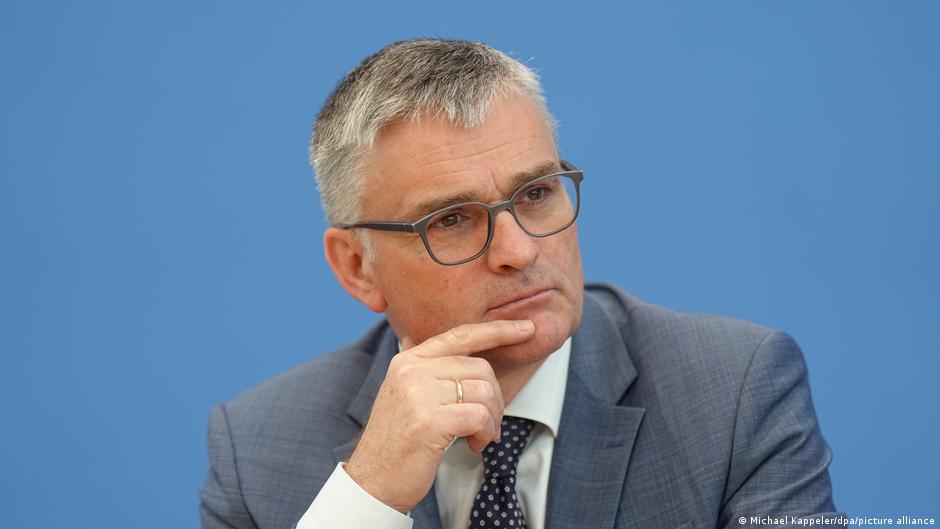
At a press briefing in Berlin on May 4, government spokesperson Stefan Kornelius emphasized the need to avert any gap in deterrence capabilities. "The deployment of Tomahawk missiles was initially a temporary measure," Kornelius stated, noting that Germany and its European partners have long been working on advanced long-range precision strike systems under the European Long-Range Strike Approach (ELSA) program.
"This program is a response to Russian rearmament with new long-range weapon systems, aiming to counter the threat posed by Iskanders in Kaliningrad and beyond," Kornelius added.
The German government is now intensifying efforts at both the national and European levels, including NATO collaboration, to create a comprehensive deterrence package. Chancellor Friedrich Merz confirmed on ARD television that the United States has opted not to place Tomahawk missiles in Germany, citing the US military's own operational needs for these systems.
The initial plan for Tomahawk deployment was part of a 2024 agreement between then-US President Joe Biden and German Chancellor Olaf Scholz. It was intended as a strategic signal of deterrence against Russia amid the ongoing conflict in Ukraine.
Meanwhile, Germany’s Ministry of Defense announced on May 4 ongoing efforts to strengthen the country’s and Europe’s deterrence capabilities. This includes modernizing Germany's TAURUS cruise missile and advancing the ELSA program, which involves the collaborative development of long-range precision weapons and drones. Analysts project that by 2029, Russia may possess sufficient military capability to threaten NATO countries, underscoring the urgency of these initiatives.
From a capital markets perspective, these developments could impact defense sector equities and bond markets across Europe. Increased government spending on high-tech defense projects such as ELSA and TAURUS modernization programs may benefit defense contractors listed on European exchanges, while broader investor sentiment could be influenced by geopolitical risks in the region.
Within Germany’s ruling conservative Christian Democratic Union (CDU), calls are growing for deeper defense collaboration with Ukraine, including joint development of medium-range missile systems. Bundestag member and foreign policy expert Roderich Kiesewetter criticized the former Trump administration’s decision to abandon Tomahawk deployment in Germany as "a huge mistake." He warned that the lack of US medium-range missile systems undermines Europe’s security against Russian nuclear threats.
Kiesewetter advocated for an urgent European alternative to American systems, proposing joint development with Ukraine to have operational medium-range missiles by 2030. This suggestion, if pursued, could lead to new multinational defense investment projects and potentially open fresh avenues for capital markets tied to defense innovation and procurement.
Investor attention will likely focus on the defense sector's capacity to deliver on these ambitious weapon development goals amid the evolving security landscape. The combination of enhanced European collaboration and increased public defense spending represents both risks and opportunities for equities and fixed income markets associated with defense companies.
Looking ahead, the German government's strategic pivot highlights how geopolitical shifts continue to influence capital allocation and market dynamics within the defense industry. As Europe aims to enhance its deterrence posture, investors should monitor government defense budgets, procurement contracts, and technology development timelines closely.