Drone Incident in Western Moscow Raises Concerns for Local Capital Markets
Drone strike damages residential building in Moscow’s Mosfilmovskaya Street area, with no casualties reported and emergency services responding.
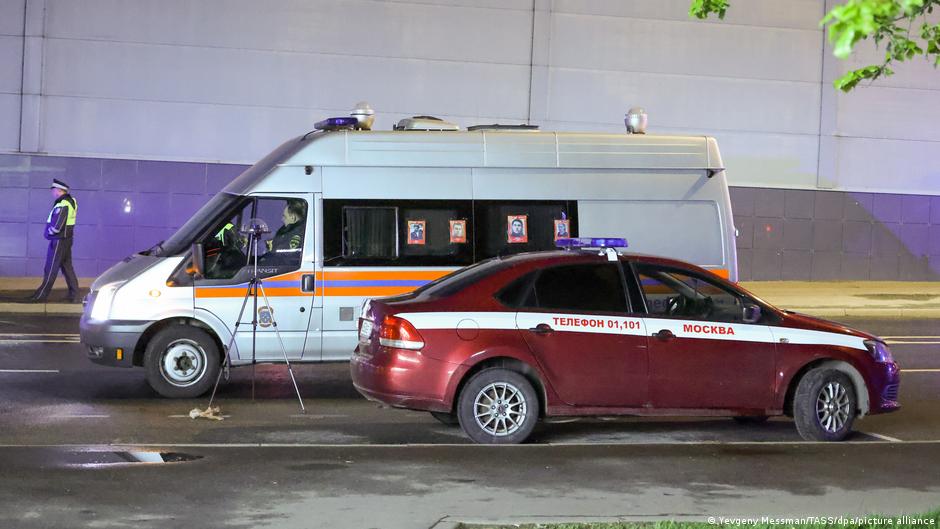
On the night of May 4, a drone struck a residential building on Mosfilmovskaya Street in western Moscow, causing facade damage and broken windows in several apartments. Moscow Mayor Sergey Sobyanin reported that no casualties occurred and that emergency services are actively managing the situation.
Market Impact and Investor Considerations
The incident has raised immediate concerns among investors and market participants due to its location in a prime residential district—specifically, the elite "Dom na Mosfilmovskoy Ulitse" complex in the Ramenki area. Damage to high-value real estate may affect property valuations and investor confidence in Moscow’s luxury housing market, which is already sensitive to geopolitical and security risks.
Moreover, heightened security threats such as drone attacks could increase investor risk premiums for both real estate and broader capital markets in Moscow. Fixed income investors may monitor developments closely, as government expenditures on defense and emergency response could influence fiscal priorities and bond issuance plans.
“No casualties reported, but the attack signals a potential escalation of security risks within Moscow’s urban core,” said a market analyst.
In response to the incident, Moscow’s air defense systems reportedly neutralized two additional drones heading toward the city, reflecting ongoing concerns about aerial threats that could disrupt normal urban and economic activities.
Shares of real estate companies with exposure to Moscow’s high-end residential sector may face downward pressure amid uncertainty, while broader market indices could experience volatility should the security situation escalate further. Investors are advised to monitor governmental communications and emergency responses as these events unfold.
Overall, the drone strike represents a potential new factor in assessing risk in Moscow’s capital markets, highlighting the intersection of security dynamics and economic stability in the city’s investment environment.