UK to Join EU’s €90 Billion Credit Program for Ukraine, Boosting Defense Industry Opportunities
Britain plans to negotiate joining the EU’s 2026-2027 credit initiative for Ukraine, expanding financial support and defense contracts amid ongoing geopolitical tensions.
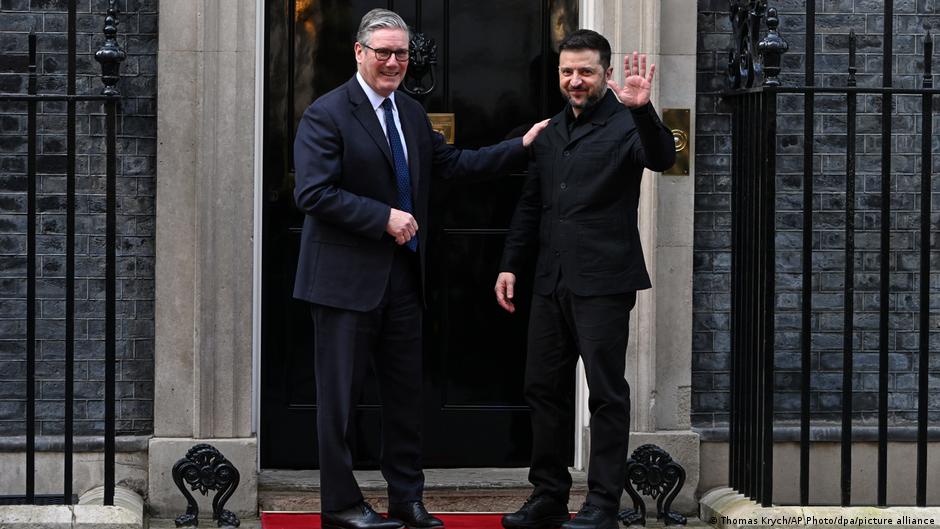
The United Kingdom is set to announce its intention to join the European Union’s €90 billion credit program aimed at supporting Ukraine, marking a significant development in international financial and defense collaboration. The announcement is scheduled for May 4 during the European Political Community summit in Yerevan, according to statements from the British government.
Market and Investor Implications of UK-EU Cooperation for Ukraine
As the EU’s credit program gained approval in April following Hungary’s lifting of its veto, the UK’s participation is expected to broaden the scope of financial aid to Ukraine through 2026 and 2027. British Prime Minister Keir Starmer emphasized that joining the initiative would not only ensure Ukraine’s access to vital military equipment but also create new opportunities for the UK defense sector.
"In unstable times, we need to move further and faster on defense to ensure people’s security," Starmer stated, highlighting the mutual benefits of UK-EU cooperation.
From a capital markets perspective, the UK’s move to engage in this credit framework may influence investor sentiment in multiple ways. First, the defense and aerospace sectors could see increased investor interest as British companies gain access to lucrative contracts supplying military equipment to Kyiv. This could translate into higher equity valuations and bond issuance opportunities within these industries.
Moreover, the UK’s commitment signals a continued robust stance on Russia following extensive sanctions imposed since the 2022 conflict escalation. The upcoming announcement of a new package of stringent sanctions targeting Russian companies is likely to maintain or heighten market volatility around geopolitical risk assets. Investors in Russian-linked equities and bonds may face additional pressures as supply chain disruptions for military products are targeted.
The collaboration also reinforces the UK’s positioning as a key player in European security financing despite Brexit, potentially increasing investor confidence in British government securities linked to defense spending. The strategic partnership with the EU in defense credit facilities may stimulate issuance of new debt instruments or green bonds earmarked for security and defense projects.
However, investors should remain cautious as geopolitical tensions sustain uncertainty in capital markets, particularly in sectors with direct exposure to defense contracts and sanctions policies. The enhanced UK-EU cooperation framework could accelerate defense expenditure, benefiting relevant equities, but also amplify risk premiums in sovereign and corporate bonds tied to conflict-affected regions.
Overall, the UK’s planned entry into the EU’s credit scheme for Ukraine signals a deepening of financial and industrial ties that will likely impact capital flows, equity valuations, and bond markets within the defense and geopolitical risk segments.