US Plans Significant Military Troop Reductions in Germany, Impacting Defense Sector Stocks
President Trump announces cuts exceeding 5,000 troops in Germany, raising uncertainty in defense equities and bond markets.
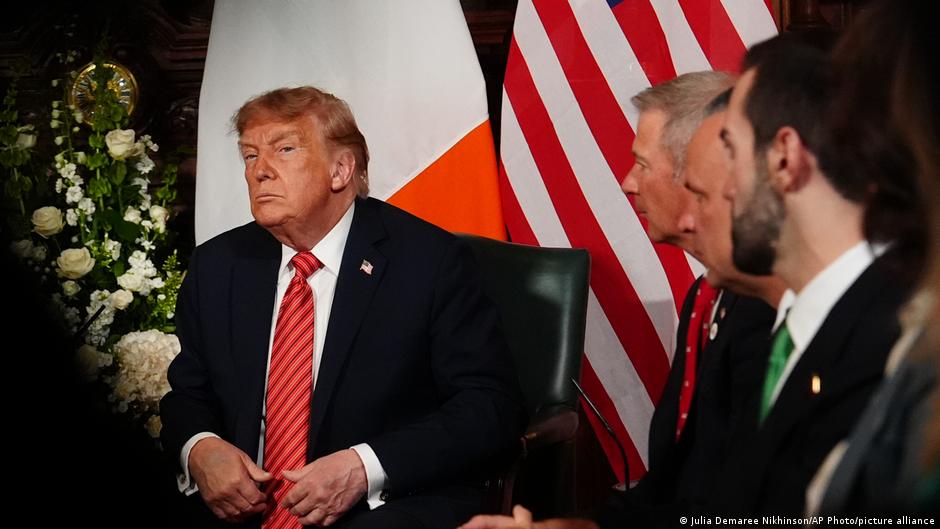
The United States is set to substantially reduce its military presence in Germany, a move that has drawn immediate attention from capital markets, particularly investors focused on defense industry equities and government bonds. President Donald Trump revealed plans to withdraw far more than the previously announced 5,000 troops, which equates to roughly one-seventh of the total U.S. forces stationed in the country.
Market Implications of Troop Reductions in Germany
Earlier announcements by the Department of Defense indicated a phased withdrawal of approximately 5,000 soldiers over the next year, but Trump’s recent comments suggest an even larger reduction. This development introduces new uncertainties for defense contractors and European security dynamics, which are closely monitored by investors.
Germany currently hosts about 36,400 U.S. military personnel, making up more than half of the 68,000 troops deployed across Europe. Historically, the U.S. military presence in Germany has been a cornerstone of NATO’s collective defense strategy. The planned drawdown could trigger reassessments of risk exposure in related equities, including companies supplying defense equipment and services to U.S. forces in Europe.
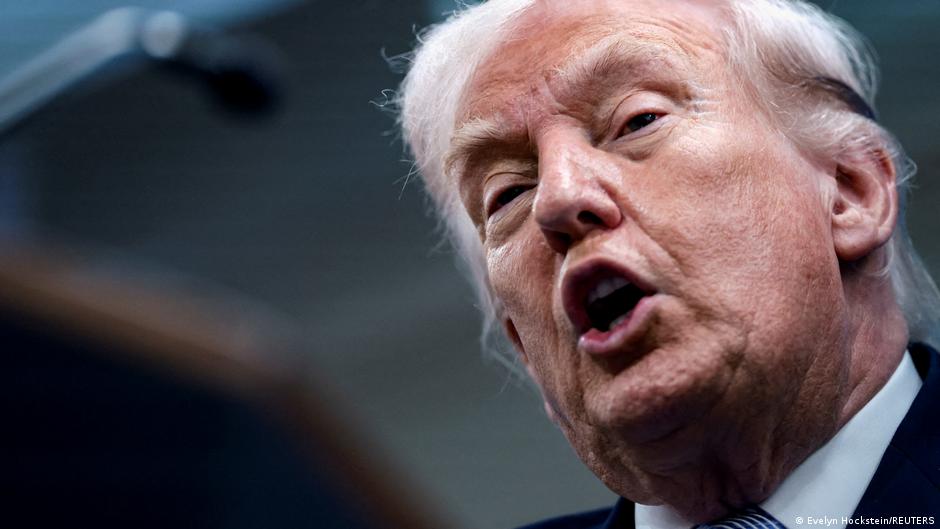
“We will reduce our military presence by significantly more than 5,000 soldiers,” President Trump stated during a press briefing in Florida, underscoring the administration’s strategic shift.
Investors should consider the wider effects on bond markets, particularly those of European nations hosting U.S. bases. Defense spending cuts often influence government budgets and bond yields, as nations recalibrate their security policies and expenditures in response to U.S. troop movements.
Beyond Germany, Trump also threatened troop withdrawals from Spain and Italy, citing dissatisfaction with their support in U.S. and Israeli operations against Iran. Such statements contribute to geopolitical uncertainty, potentially affecting euro-denominated government bonds and defense sector shares across Europe.
In response, NATO emphasized its commitment to maintaining deterrence and defense capabilities during this transition, stating that cooperation with the U.S. continues to ensure European security. However, the prospect of reduced U.S. military presence raises questions about the future defense posture of the alliance, which market participants will watch closely.
The Pentagon confirmed that the troop withdrawal is expected to occur within six to twelve months following a comprehensive review of U.S. military deployments in Europe. This timing suggests that investors should prepare for possible volatility in related sectors as the reallocation proceeds.
Market analysts note that during Trump’s first term, similar troop reduction threats did not materialize into significant force decreases, with numbers even increasing. However, the current administration’s firm tone and follow-through orders from Defense Secretary Pete Hegseth might signal a definitive strategic pivot, prompting reassessment of defense stocks and bond yields.
Given these developments, investors in defense equities may anticipate shifts in procurement volumes and contract allocations linked to U.S. operations in Europe. Meanwhile, bond investors should monitor potential impacts on the creditworthiness and fiscal policies of European nations adjusting to a decreased U.S. military footprint.