Germany Approves Arms Exports to Israel Amid Middle East Conflict, Impacting Market Sentiment
Berlin has authorized millions in weapon exports to Israel during ongoing conflict despite partial embargo, influencing investor outlook on defense equities and geopolitics.
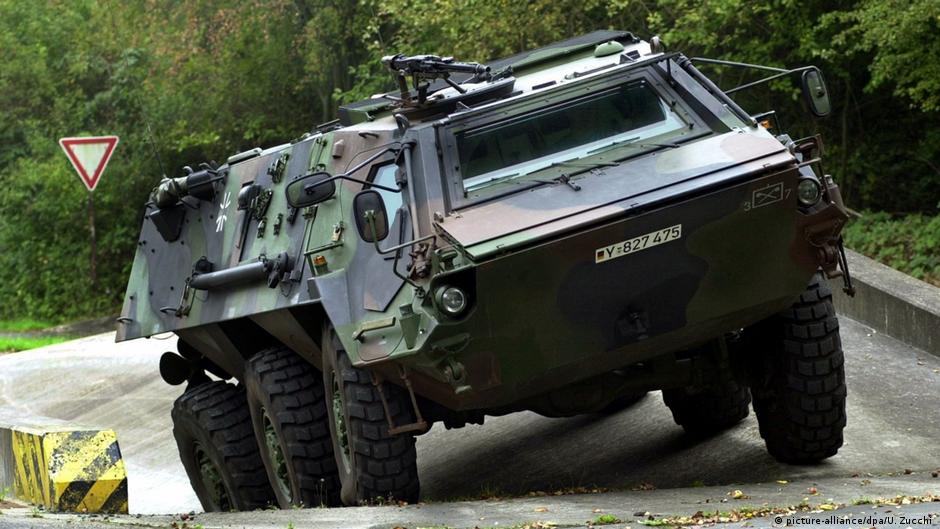
Amid heightened tensions in the Middle East and ongoing conflict involving Israel and Iran, the German government has continued approving arms exports to Israel, totaling over 6.6 million just weeks after hostilities escalated. This move underscores the complex interplay between geopolitical events and capital markets, particularly defense sector equities and sovereign bond yields.
German Arms Exports Amid Conflict
From February 28, 2024, the date marking coordinated attacks by Israeli and U.S. forces against Iran, through March 27, Berlin authorized weapon deliveries to Israel valued at approximately 6.6 million, according to responses by Germany's Ministry of Economics to parliamentary inquiries. This continued despite existing export principles established in 2000, which broadly prohibit arms transfers to conflict or crisis zones.
Exceptions have been carved out historically for support to Ukraine in its defensive war against Russia and for Israel, deemed a special case. Following the Hamas terrorist attacks on Israel on October 7, 2023, Germany initially increased arms deliveries as a show of solidarity, with export licenses reaching nearly 0.5 billion under Chancellor Olaf Scholz's coalition government.
"Solidarity with Israel does not imply endorsing every government decision or providing unrestricted military aid," stated Chancellor Friedrich Merz when imposing a partial embargo on arms exports in August 2025.
In August 2025, newly appointed Chancellor Friedrich Merz signaled a policy shift, suspending new export permits for weapons potentially used in the Gaza conflict. This partial embargo prompted irritation both within Israel and among Merz's Christian Democratic Union party colleagues. However, the embargo lasted only about three and a half months before being lifted following a ceasefire agreement between Israel and Hamas. Even during the embargo period, export licenses worth 10.44 million were granted, indicating the nuanced application of these restrictions.
Market and Investor Implications
The continuation of arms exports amid conflict has elicited political criticism domestically. Ulrich Thoden, a Left Party deputy, condemned the government's actions, arguing that profits from the arms industry exacerbate wars, adversely affecting human lives and economic stability. His stance highlights concerns about the ethical dimensions of defense sector investments in volatile geopolitical environments.
From a capital markets perspective, the German government's decisions have several implications:
- Defense Equities: The authorization of arms exports during conflict periods tends to bolster defense companies' revenues and share valuations. Investors focused on defense stocks may view the German market as supportive of sustained sales, despite geopolitical risks.
- Bond Markets: Heightened geopolitical tensions often increase perceived risk, influencing yields on sovereign and corporate bonds. Germany's partial embargo and subsequent lifting could introduce volatility in bond spreads related to defense contractors and government risk premiums.
- Investor Sentiment: Ethical investing trends could see some capital withdrawal from defense sectors due to moral concerns raised by conflicts. Conversely, strategic geopolitical risk arbitrage may encourage positions in defense stocks anticipating government contracts.
Overall, the German government's calibrated continuation of arms exports amid Middle East hostilities exemplifies the balancing act policymakers face between geopolitical strategy and ethical considerations, with direct consequences for investors monitoring defense market dynamics and related sovereign risk.