U.S. Senate Rejects Resolution to End Hostilities with Iran, Impacting Market Stability
Senate votes against limiting presidential war powers on Iran, fueling investor concerns over prolonged conflict and geopolitical risks.
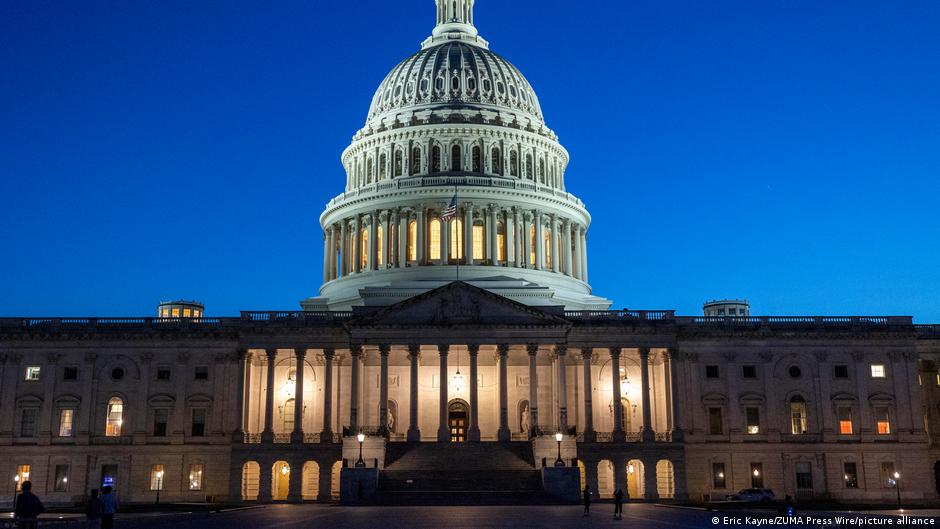
The United States Senate has, for the fourth time in a year, declined to restrict the president's authority to conduct military operations without explicit Congressional approval. This recent vote holds significant implications for capital markets, as investors weigh the risks associated with ongoing tensions between the U.S. and Iran.
Senate Vote and Political Context
On April 15, the Senate rejected a resolution that would have required President Donald Trump's administration to cease military actions against Iran and withdraw U.S. forces from the conflict zone until Congress formally authorized the continuation of hostilities. The resolution, championed by Democratic lawmakers, garnered support from 47 senators, while 52 voted against it.
The Republican Party currently controls the Senate, a factor that largely influenced the outcome of the vote. Democratic sponsors of the resolution maintain that the military campaign against Iran lacks legal justification and have pledged to persist with similar legislative efforts aimed at ending the conflict.
"We will continue to push for votes on these resolutions until the conflict conclusively ends," said one Democratic senator involved in the initiative.
This vote marks the fourth occasion since early 2026 where the Senate has effectively declined to assert its constitutional war powers, deferring to the executive branch. According to the War Powers Act of 1973, Congress must declare war or authorize military force within 60 days after hostilities commence—a deadline approaching at the end of April, with a possible 30-day extension permitted under the legislation.
Market Implications of Political Developments
The Senate's decision to grant the executive branch continued latitude in military actions has injected further uncertainty into global financial markets. Investors typically react negatively to prolonged geopolitical conflicts, which can drive volatility in equities and bonds, particularly in sectors sensitive to defense spending and energy prices.
Fixed income markets have seen fluctuations in U.S. Treasury yields amid the evolving political landscape, reflecting investor caution. Meanwhile, equities in defense and energy industries have experienced mixed performance, as markets attempt to price in potential escalation risks and supply disruptions.
Market participants are now closely watching for detailed plans from the Trump administration regarding conflict de-escalation and diplomatic engagement. Clarity on these fronts could stabilize investor sentiment and mitigate adverse market reactions.
Domestic political discourse around the balance of war powers between Congress and the presidency remains a critical issue. The Senate's reluctance to curtail the president's military authority underscores ongoing tensions that contribute to policy uncertainty—an important factor for capital markets and long-term investment strategies.
In summary, while the Senate vote maintains the status quo in U.S. foreign military engagements, it accentuates risks for investors who must navigate the complex interplay between political decisions and market dynamics amid the Iran conflict.