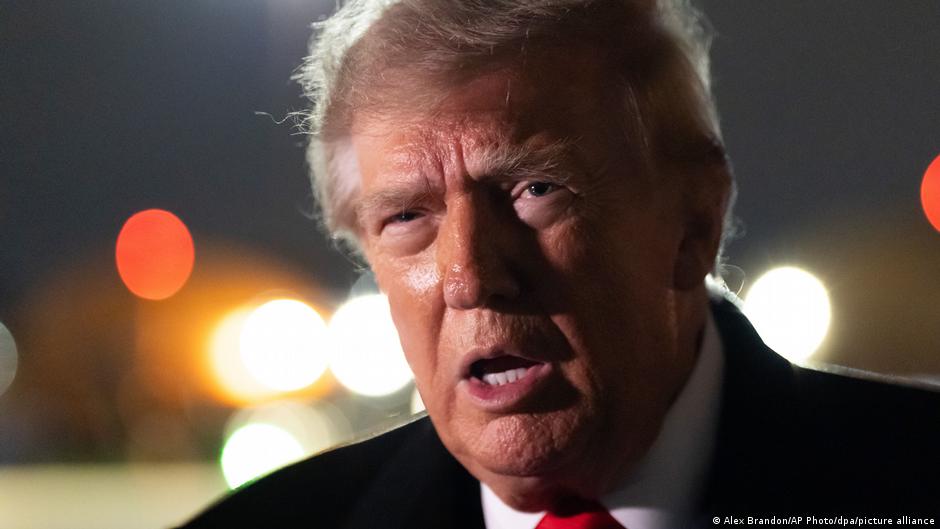
Armenian Parliamentary Elections Signal Continuity Amid Regional Geopolitical Tensions
Prime Minister Pashinyan’s Civil Contract party leads early results, impacting Armenia’s market and investor outlook.
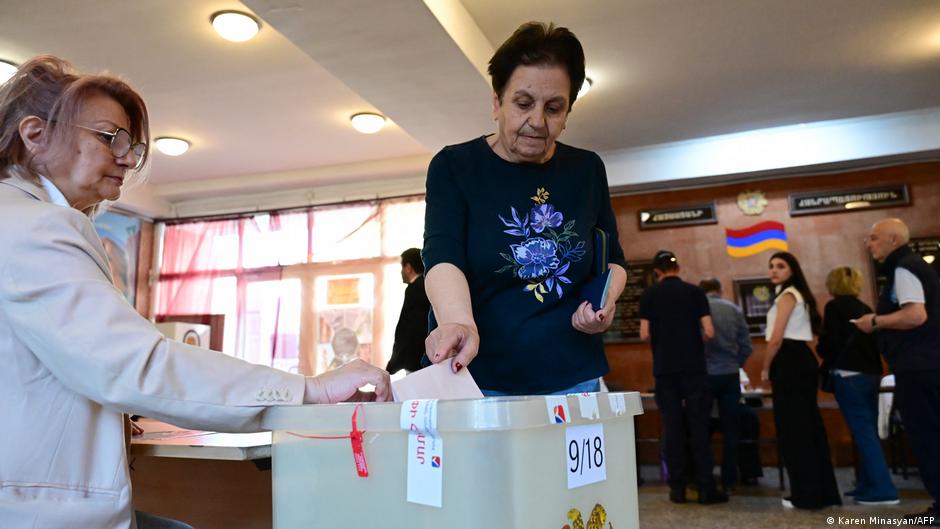
Armenia's recent parliamentary elections, held on June 7, carry significant implications for the country's political stability and its economic trajectory, which in turn affects capital markets and investment sentiment. Preliminary results from the Central Electoral Commission indicate that Prime Minister Nikol Pashinyan's party, Civil Contract, is commanding a strong lead, securing 50.86% of the vote after counting 55.95% of ballots.
Market Reactions and Investor Implications
The election outcome is pivotal in defining Armenia’s foreign policy, particularly concerning its relationship with the European Union and Russia—two major players whose influence can sway investor confidence and market dynamics. Pashinyan’s government has committed to strengthening ties with the EU, a stance that has already drawn criticism from Moscow and has led to trade restrictions on Armenian exports. This geopolitical friction adds complexity to the investment landscape.
“The Civil Contract party’s victory suggests continuity in Armenia’s pivot towards the EU, which may recalibrate the risk profile for investors considering exposure to Armenian equities and bonds,” analysts noted.
Investors should closely monitor how the formation of the new government and its foreign policy priorities might affect capital inflows, currency stability, and sovereign debt ratings. The opposition, notably the Strong Armenia alliance led by businessman Samvel Karapetyan, favors maintaining closer ties with Russia, which could have moderated geopolitical risks if victorious. Their 23.19% vote share signals significant but insufficient opposition strength.
The presence of multiple parties crossing the parliamentary threshold, including Prosperous Armenia (4.1%) and the Armenia bloc (9.6%), indicates a fragmented legislature that could influence policy-making and economic reforms. The parliamentary structure mandates a stable majority of 54%, and with Civil Contract poised to govern alone, investors may expect policy continuity but should remain alert to potential opposition pressures.
Notably, voter turnout at 58.97% exceeded previous elections, reflecting heightened public engagement which can translate into a more stable political environment. Stability, in turn, often correlates with improved market sentiment.
Geopolitical Context and Economic Outlook
Since 2025, Pashinyan has legislated a clear orientation towards the EU, signaling a strategic shift from Armenia’s traditional reliance on Russia. Moscow’s discontent has manifested in import bans on Armenian agricultural products and beverages, demonstrating how geopolitics directly impact trade flows and market dynamics.
For capital markets, the ongoing recalibration of Armenia’s external alliances may lead to volatility in local bond yields and equity valuations, depending on how investors interpret the risks of geopolitical tension versus potential access to EU funding and markets.
As Armenia navigates this complex geopolitical environment, market participants should weigh the implications of a pro-EU government against the backdrop of strained Russia-Armenia relations and regional uncertainties.
In summary, the election results underscore a continuity in governance that cements Armenia’s westward orientation, a factor that will significantly shape investor strategies and market performance in the near term.