Black Sea Attacks by Russia Raise Market Concerns over Trade and Food Security
Russia’s attacks on civilian vessels in the Black Sea prompt UN Security Council meeting request amid fears of disrupted trade routes and rising global food prices.
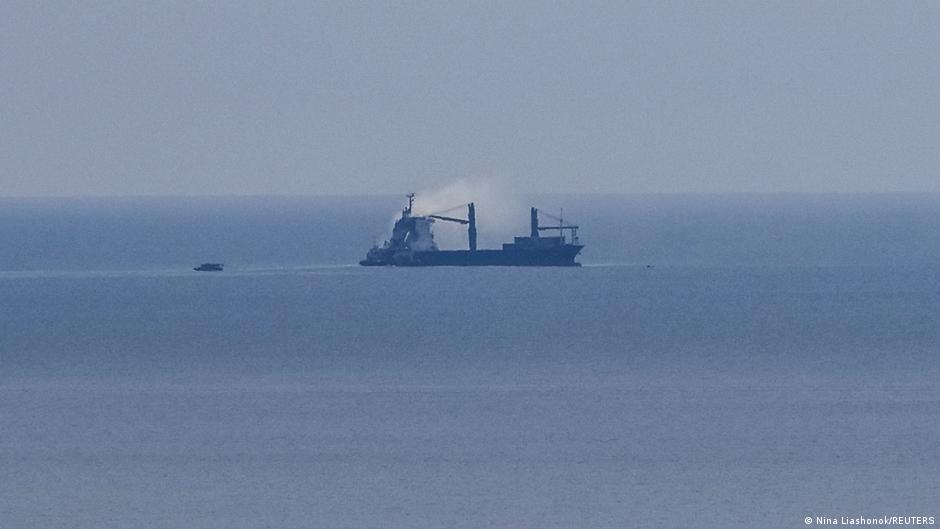
Russia's recent assaults on commercial ships in the Black Sea have sparked urgent international diplomatic efforts as Ukraine called for an emergency United Nations Security Council session on July 27. The moves underscore growing concerns about the disruption of key trade routes and the potential ripple effects across global capital markets.
Trade Route Disruptions and Market Implications
Ukrainian Foreign Minister Andriy Sybiha condemned Russia’s actions as "economic and humanitarian terror," highlighting the significant risks posed to global food security and commodity supply chains. By targeting civilian vessels, Russia threatens critical maritime corridors that facilitate exports from Ukraine, a major grain supplier, thereby raising the prospect of supply shortages and price volatility on world markets.
"If this terror continues, millions of families in Africa, Asia, the Middle East, and Latin America may face price hikes and hunger," warned Sybiha, stressing the broader humanitarian and economic implications.
The disruptions have immediate implications for investor sentiment in equity and bond markets, particularly for companies and sovereign issuers linked to agricultural exports, shipping, and regional stability. Increased geopolitical risk often triggers market volatility, heightening risk premiums and potentially driving up yields on Ukrainian sovereign debt as well as on emerging market bonds.
Diplomatic Engagements and Security Coordination
Amidst the escalating tensions, Sybiha engaged in high-level discussions with German Foreign Minister Johann Wadephul and Estonian Foreign Minister Margus Tsahkna to coordinate responses aimed at restoring navigational freedom and maritime security in the Black Sea. These talks also included strengthening Ukraine’s air defense capabilities and expanding cooperation in defense industry sectors.
From a market perspective, reinforced European support could help stabilize investor confidence by mitigating some of the military risks associated with the ongoing conflict. However, the continued strain on maritime routes and heightened military activities support a cautious outlook for regional asset performance.
Operational Status of Ukrainian Ports
Despite the attacks, Ukrainian authorities report that key ports, including the major Black Sea port of Chornomorsk, remain operational and continue to facilitate exports and honor international contracts. The port is crucial for handling a significant volume of Ukraine’s export and import cargo, maintaining a "functional maritime corridor" for the country’s trade.
However, on July 22, no ships reportedly passed through this corridor, signaling the immediate impact of security concerns on shipping activity. For investors, this disruption could translate to short-term supply chain bottlenecks, affecting commodity prices and related equities.
Military Actions and Market Reactions
On the military front, Ukrainian drone forces claim to have attacked over 196 vessels belonging to the Russian "shadow fleet" in the Azov and Black Seas between July 6 and 22. This ongoing conflict dynamic further complicates maritime security and trade flow projections.
These military engagements contribute to geopolitical risk premiums and may prompt reassessments of risk exposure in regional markets, especially in sectors involving shipping, commodities, and defense. Investors closely monitoring these developments should consider potential volatility in equities and sovereign bonds linked to the affected regions.
In summary, Russia’s attacks on Black Sea commercial shipping elevate geopolitical tensions with palpable consequences for international trade, commodity markets, and investor confidence. The conversation between Ukraine and its European partners highlights a strategic effort to mitigate risks and restore stability, but uncertainty remains high.