Putin Backs Using Medically Unfit Volunteers for Drone Defense Duties
The proposal adds a manpower signal for investors watching Russia risk, defense spending, sanctions exposure and wartime fiscal pressure.
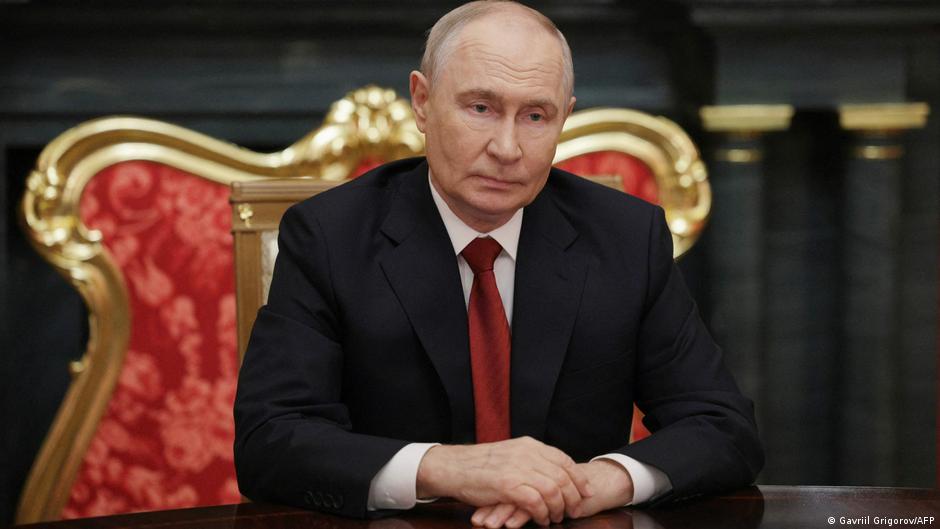
Russian President Vladimir Putin has supported a proposal to involve volunteers officially deemed completely unfit for military service in efforts to protect rear-area facilities from drone attacks, according to reports cited by The Moscow Times and Ekho on Saturday, September 5. The idea was advanced by pro-Kremlin war correspondent Yevgeny Poddubny and was endorsed by Putin at a meeting of the leadership of the United Russia party.
For capital markets, the episode is another data point in the continuing strain created by Russia's war against Ukraine. It does not amount to a formal mobilization announcement, and Putin has continued to reject speculation about a new mobilization wave. But it points to the widening search for personnel and the growing importance of domestic infrastructure protection as Ukrainian drone attacks remain a feature of the conflict.
The proposal concerns Russian citizens with health category D, a classification meaning a person is absolutely unfit for military service. Under current Russian law, people in this category cannot sign contracts with the Defense Ministry. They are removed from the military register, and their personal files are sent to the archive.
Category D is assigned in cases of severe chronic illness and disability, including active tuberculosis, HIV infection, cancer, schizophrenia, absence of limbs, blindness or deafness. The suggestion now supported by Putin is to use such volunteers for tasks away from the front line, including service in regional units that help repel Ukrainian unmanned aerial vehicle attacks on facilities in the rear.
Manpower Pressure Remains a Market Variable
Poddubny said the request came from fighters who had received category D as a result of combat wounds, according to the reports. He argued that such people were capable of carrying out missions, for example in regional units responding to drone attacks rather than on the front line. Putin backed the idea during the same United Russia meeting.
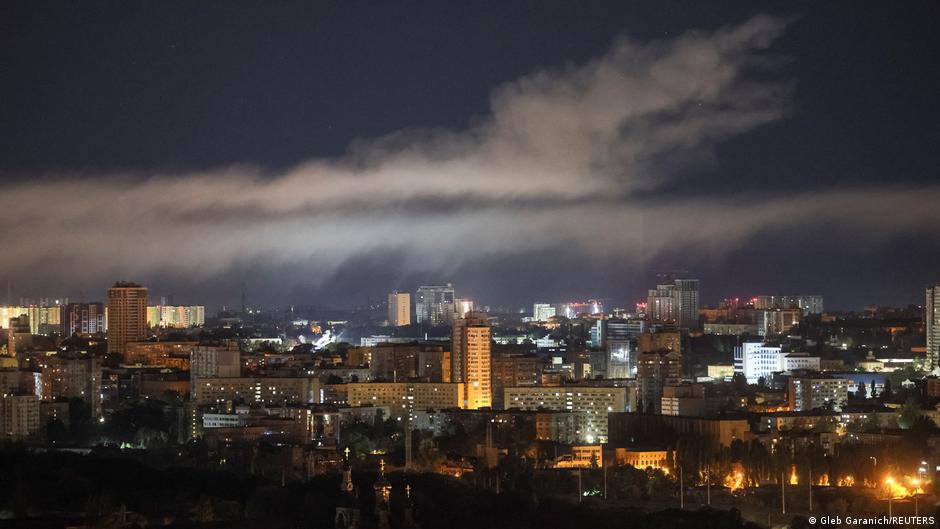
The proposal would apply to citizens classified as “absolutely unfit for military service,” particularly for guarding facilities from drones in rear areas.
Investors watching Russia-related assets, defense-linked companies, commodities and sovereign risk have treated manpower as one of the conflict's central constraints. Any indication that Moscow is broadening the pool of people available for wartime functions can influence perceptions of how long the Kremlin intends to sustain current operations and what fiscal resources may be required to do so.
Equity investors with exposure to defense, security, logistics and infrastructure protection themes may read the development as part of a broader wartime spending pattern. At the same time, the inclusion of medically unfit volunteers underscores the social and operational costs behind that spending. Those costs can matter for domestic demand, regional budgets and labor availability, especially if recruitment pressure continues to move through local administrations.
The bond-market lens is different but related. Russia's wartime posture has already put focus on budget priorities, inflation risks and the state's ability to fund military needs while managing sanctions and domestic financial conditions. Measures that imply continued high personnel needs can reinforce expectations that defense and security spending will remain elevated. That can affect how investors assess fiscal durability, even where direct access to Russian securities remains restricted for many foreign institutions.
Putin Denies Mobilization Scenario
Putin has recently commented again on rumors of a new mobilization wave. Speaking at the plenary session of the Eastern Economic Forum in Vladivostok on September 3, he said there was “no scenario that would require mobilization.” He described speculation about mobilization as an “information attack” by the enemy ahead of State Duma elections, aimed at influencing the result.
That was Putin's second recent statement on the issue. Earlier, after the Shanghai Cooperation Organization summit in Bishkek, he called such concerns “dog nonsense.” The repeated denials are politically and economically relevant because formal mobilization would be a major event for households, regional employers, labor markets and investor expectations around state control over resources.
Still, the 2022 decree on partial mobilization has not been formally canceled and remains in force. Russians have reported receiving summonses, being called to military training and seeing intensified recruitment for the war against Ukraine. Pro-war Z channels reported as early as July that forced conscription to the front could affect 1.2 million Russians and could be accompanied by informal arrangements with neighboring countries that would make it impossible for men of conscription age to leave for adjacent states.
Those reports remain politically sensitive, but from a market perspective they highlight why investors continue to track mobilization signals closely. Labor-force disruption, migration controls and regional recruitment quotas all have implications for production capacity, consumer confidence and budget execution. Even rumors can move sentiment when they intersect with sanctions risk and commodity-market uncertainty.
Recruitment Targets and Casualty Signals
The latest discussion also lands against the backdrop of reported Russian battlefield losses and recruitment targets. In August, according to the Institute for the Study of War, total Russian troop losses exceeded 40,000 people for the second consecutive month. The Financial Times, citing sources, reported that the Kremlin and Russia's Defense Ministry had instructed Russian regions to secure the recruitment of 409,000 contract servicemen by the end of 2026 for participation in the war.
To meet that plan, authorities are increasing pressure on local officials, according to the same reporting. For investors, the regional dimension is important. Recruitment targets can become a fiscal and administrative burden for local governments, particularly when authorities rely on bonuses, social payments or pressure on employers and municipal officials to fill quotas.
The drone-defense proposal therefore sits at the intersection of military operations and domestic resource allocation. It is not, by itself, a new mobilization order. But it suggests the Kremlin is prepared to consider exceptions or new mechanisms for deploying people who are currently outside the contract-service system, at least for rear-area protection.
Market reaction is likely to be muted in any narrow, immediate sense because the measure has not been presented as a completed legislative change and many Russia-linked assets are already shaped by sanctions, capital controls and limited foreign participation. The broader signal, however, is more durable: manpower, infrastructure defense and wartime spending remain central variables for anyone assessing Russia exposure, regional security risk, defense equities, energy infrastructure and sovereign-credit stress.