Iran’s IRGC Mines Oil Tanker in Strait of Hormuz, Escalating Regional Maritime Risks
Iran’s Revolutionary Guard Corps attacks oil tanker in Strait of Hormuz, raising concerns over shipping security and impacting energy markets.
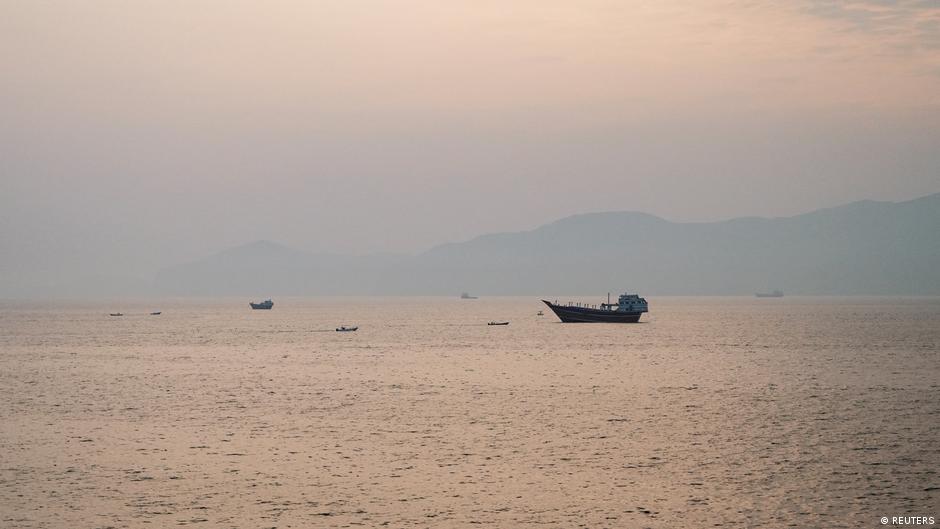
The Islamic Revolutionary Guard Corps (IRGC) of Iran has reported the mining and subsequent damage of an oil tanker attempting to cross the Strait of Hormuz without Tehran’s consent, according to statements released on July 23. This marks a significant escalation in the already tense security environment in one of the world’s most strategically critical maritime chokepoints.
Implications for Capital Markets and Energy Investors
The IRGC’s announcement that its naval forces will continue to block the Strait of Hormuz for vessels not coordinated with Iran signals a heightened threat to free navigation. Three oil tankers, reportedly under the influence of the U.S. military, tried to navigate what the IRGC describes as a "mined route" south of the Strait. Following an explosion and a major fire on one vessel, the other two turned back, underscoring the operational risks for shipping in the region.
“Any vessel attempting to cross the Strait without Iran’s agreement will face similar consequences,” the IRGC declared.
One of the attacked vessels, identified by satellite imagery as the Kavomaleas tanker, is owned by Greek shipping magnate Georgios Prokopiou. Financial Times reports that the tanker was struck by two projectiles on July 19 while en route from Oman towards the Persian Gulf, triggering a fire in its engine room and forcing crew evacuation. Recent satellite images from the European Space Agency confirm the presence of the smoke-emitting ship within Iranian territorial waters near Larak Island, suggesting it has been towed or captured.
The Kavomaleas tanker was reportedly scheduled to collect over 500,000 barrels of crude oil in the Persian Gulf. The visible oil slick trailing the damaged vessel further highlights the environmental and economic fallout. The owning company, Dynacom, has denied authorizing any movements of the vessel and is currently investigating the tanker’s status and location.
Since the escalation of hostilities involving the U.S. and Israel against Iran, approximately 45 vessels have been targeted, but confirmed Iranian seizures remain rare, with the Kavomaleas incident marking only the third such case, per analysts cited by the Financial Times.
Market Reactions and Investor Considerations
The Strait of Hormuz is vital for global oil supply, with roughly one-fifth of the world’s petroleum passing through it. Any disruption in this corridor often translates into heightened volatility in crude oil prices and related equities. The recent IRGC mining operation and the seizure of the Kavomaleas tanker are likely to exacerbate geopolitical risk premiums embedded in energy market pricing.
Energy equities, particularly companies with upstream exposure in the Middle East, may see increased volatility as investors factor in potential supply constraints and operational risks. Meanwhile, sovereign bond spreads for Iran and neighboring countries could be impacted by the rising tensions, reflecting increased political and security risk.
For investors, the situation underscores the importance of monitoring geopolitical developments in the Persian Gulf closely, as they can trigger sudden market shifts in oil prices and impact sectors tied to energy logistics and transportation. Diversification and risk management strategies may become increasingly critical in portfolios with exposure to these areas.
In summary, the IRGC’s mining of the oil tanker and ongoing naval blockade efforts in the Strait of Hormuz represent an escalation of maritime threats with tangible consequences for capital markets. The interplay between geopolitical risk and energy market stability remains a key dynamic for investors navigating this volatile landscape.