Russian Duma Revises Fuel Dampener Mechanism to Stabilize Domestic Fuel Prices
New amendments aim to enhance supply and limit price volatility in Russia’s fuel market, impacting energy sector equities and bonds.
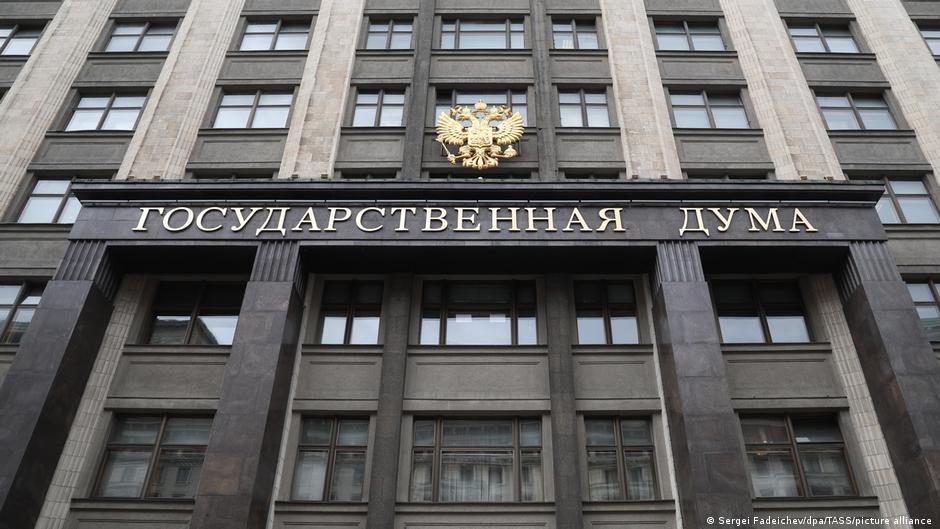
The Russian State Duma has approved amendments to the Tax Code that modify the fuel dampener mechanism, market trading rules, and compensation conditions for imported diesel fuel. These legislative changes are designed to stabilize fuel prices amid supply challenges and external disruptions.
Market Stabilization Measures and Investor Implications
The fuel dampener is a government compensation system that offsets some costs for oil companies supplying fuel domestically, intended to curb price surges. The updated rules expand the scope of fuel deliveries counted toward mandatory minimum exchange sales by including volumes sold off-exchange under conditions to be later defined by the government. This flexibility is partly a response to requests from the agricultural sector, allowing direct contracts between refineries and authorized suppliers for agricultural producers without breaching exchange sales requirements.
"These changes are expected to boost fuel supply and reduce price fluctuation risks," explained Deputy Finance Minister Alexey Sazanov.
Another key amendment introduces compensation payments for mid-distillates—types of petroleum products similar to diesel—from July 2026 through July 2027. Additionally, a compensation mechanism for imported diesel fuel has been established, mirroring the existing system for gasoline. Importers may receive tax credits on excise duties if import prices exceed those on the Russian wholesale market, with payouts conditional on concurrent export restrictions for diesel and aviation kerosene. This aims to encourage imports during supply shortages.
For pricing diesel imports from third countries, the legislation uses Indian market prices as a benchmark, factoring in delivery to Russian ports. India, a major global exporter of petroleum products, recently doubled export duties on diesel and aviation fuel, which may affect import costs. Fuel imports from Belarus receive a preferential compensation coefficient of 0.9, incentivizing these supplies.
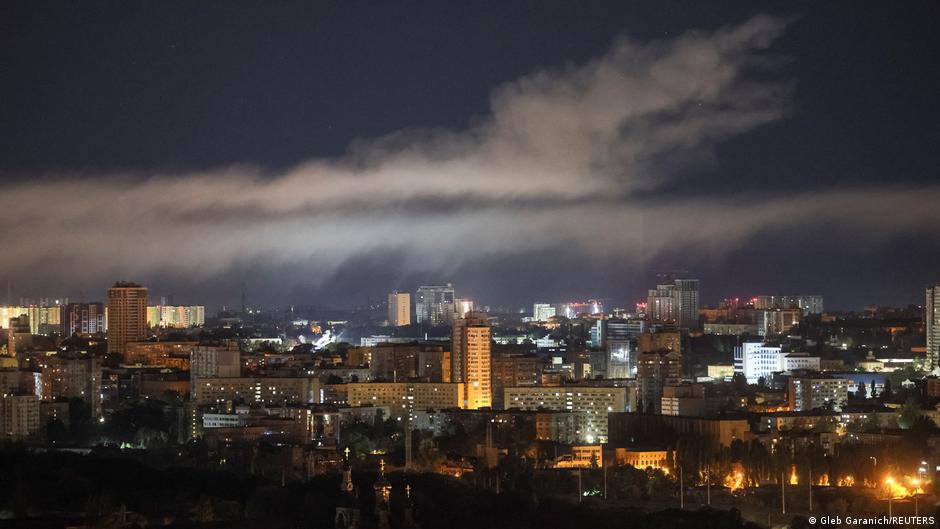
These legislative efforts coincide with continuing supply challenges following Ukrainian drone strikes earlier in 2026 that temporarily shut down major Russian refineries, representing about 25% of national refining capacity. The disruption temporarily reduced domestic production of gasoline and diesel, forcing the government to tighten export controls and seek alternative supplies.
Russian officials express optimism that the amendments will quickly bolster fuel availability and price stability. State Duma Chairman Vyacheslav Volodin noted that the effects should be visible within days, while Deputy Prime Minister Alexander Novak highlighted government measures including increased output, import expansion, export limitations, and adjusted refinery maintenance schedules as contributors to recent market stabilization.
For investors, these developments signal potential volatility mitigation in Russia’s fuel sector, which may influence related equities and bond instruments. Enhanced government interventions aim to ensure sufficient domestic supply, supporting energy market stability amid geopolitical and operational uncertainties.