Putin Sees Opening for Peace as Zelensky Awaits U.S. Envoys
Renewed talk of diplomacy over Ukraine keeps geopolitical risk in focus for investors weighing implications for equities, bonds and broader market sentiment.
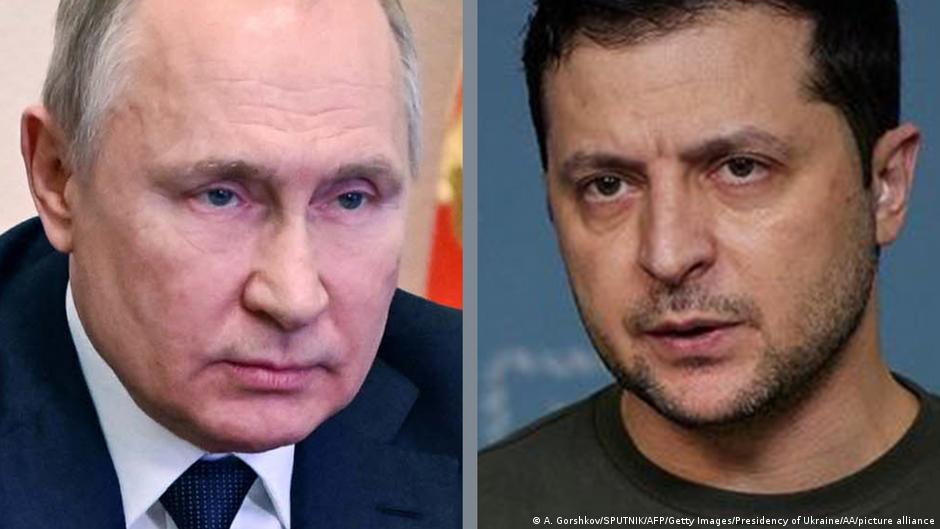
Russian President Vladimir Putin said he believes there is a chance of achieving peace in Ukraine through diplomacy, while insisting that Russia and Ukraine must themselves reach an agreement on ending the war and that other countries should support that process rather than direct it. Ukrainian President Volodymyr Zelensky, for his part, said U.S. representatives are expected to visit both Kyiv and Moscow soon for discussions that will include a possible peace agreement.
Putin made the remarks on Thursday, September 3, on the sidelines of the Eastern Economic Forum. His comments added a fresh diplomatic dimension to a conflict that continues to shape investor assessments of geopolitical risk across global markets, particularly in sectors exposed to energy flows, shipping security and broader European risk sentiment.
“Russia and Ukraine must first of all reach an agreement between themselves. And all other countries are ready to support and help. This is the right approach. But we are grateful to everyone who is trying to contribute to resolving this issue. Are there chances? In my view, yes, there are.”
For capital markets, the significance of Putin’s comments lies less in any immediate policy shift and more in the re-emergence of diplomatic messaging from all sides. Investors have spent much of the war pricing in uncertainty around sanctions, trade routes, defense spending and regional political risk. Any indication that contacts are continuing, even at a limited level, can alter how markets think about the medium-term risk premium attached to Eastern Europe and to assets sensitive to broader U.S.-Russia and EU-Russia tensions.
Putin also said that contacts between Moscow and Kyiv have been maintained through intelligence channels, though he said he could not say how much this might help bring peace closer. At the same time, he pointed to Ukrainian attacks on transport vessels in the Black Sea and statements from Kyiv about the lack of safety in Russian airspace, saying such factors complicate the possibility of bilateral peace talks.
Diplomacy Returns to the Foreground
Later the same day, Zelensky said negotiations with Russia could resume and that U.S. representatives would soon travel to both capitals. In his daily evening video address, the Ukrainian leader said there are preliminary dates for the visits and that Kyiv has already received confirmation that meetings will take place in both Moscow and Kyiv.
“There are preliminary dates. We expect representatives of the U.S. president to come here, to Kyiv. We already have confirmation from them: there will be a meeting both in Moscow and in Kyiv.”
Zelensky added that Ukraine remains in constant contact with the American team. Several days earlier, he reported a phone conversation with President Donald Trump’s special envoys, Stephen Witkoff and Jared Kushner, during which he told the U.S. representatives that Russia’s battlefield gains were “insignificant.”
That sequence matters for investors because Washington’s role remains central to any change in the war’s trajectory, even as Putin argues the warring parties themselves must strike a deal. The prospect of shuttle diplomacy involving both Moscow and Kyiv may be enough to keep headline sensitivity elevated in stocks, sovereign debt and currencies linked to European political risk. Defense names, transport-exposed companies and businesses with regional supply-chain exposure are likely to remain especially alert to any concrete next steps.
Discussion of renewed Russia-Ukraine peace talks accelerated after an unannounced visit by CIA Director John Ratcliffe to Moscow in late August. According to Axios, a representative of the Trump administration proposed, among other ideas, a three-way meeting of the presidents of the United States, Russia and Ukraine to discuss ending the war through diplomacy.
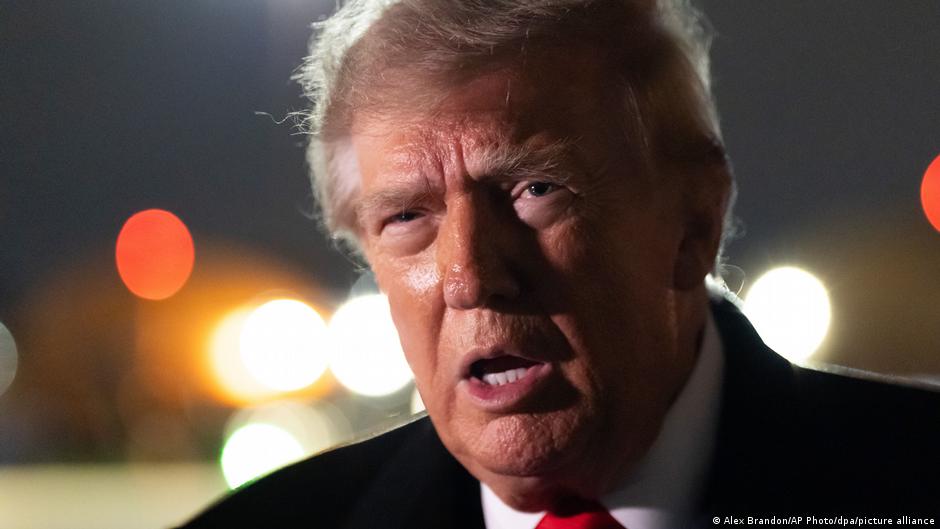
Trump later rejected the idea of holding such a three-way summit in the near term when speaking to reporters after the media reports. According to the U.S. president, Putin would agree to such a meeting if Trump wanted it, and Washington could organize a summit “immediately.” Trump said, however, that he wants to hold such a meeting only when the parties are ready to conclude a peace agreement.
Trump also said that “Putin and Zelensky should stop this stupid war,” while again assigning blame for the continuing fighting to both Moscow and Kyiv. In Trump’s view, a personal hostility between Zelensky and Putin is one of the obstacles to peace in Ukraine. He also said that the conflict, which he had promised to end “within 24 hours,” turned out to be more difficult than the “eight wars” he says he managed to stop in less than two years in office.
From a market perspective, none of these statements amount to a settlement framework, and there is still no indication of terms that could command agreement from both sides. But diplomacy itself can influence investor positioning. Equity markets tend to react not only to military developments but also to shifts in perceived probability: the probability of escalation, the probability of sanctions staying in place for longer, and the probability that transport and energy-related disruptions remain embedded in the outlook.
Bond investors may view the latest rhetoric through a similar lens. If diplomatic channels remain open, some of the tail-risk assumptions tied to a wider regional deterioration could soften at the margin, even if the underlying conflict remains unresolved. At the same time, Putin’s reference to attacks in the Black Sea and to airspace-related security concerns is a reminder that operational risks remain high and that any optimism based on headlines alone could prove fragile.
For investors today, the immediate takeaway is that geopolitical risk has not disappeared, but the narrative has shifted from pure battlefield dynamics to a combination of military pressure and exploratory diplomacy. Until talks produce something more concrete, markets are likely to treat every statement from Moscow, Kyiv and Washington as incremental rather than decisive. That leaves equities, bonds and broader risk sentiment exposed to a familiar pattern: cautious hope on diplomatic signals, quickly tempered by the reality that the path to any agreement remains uncertain.