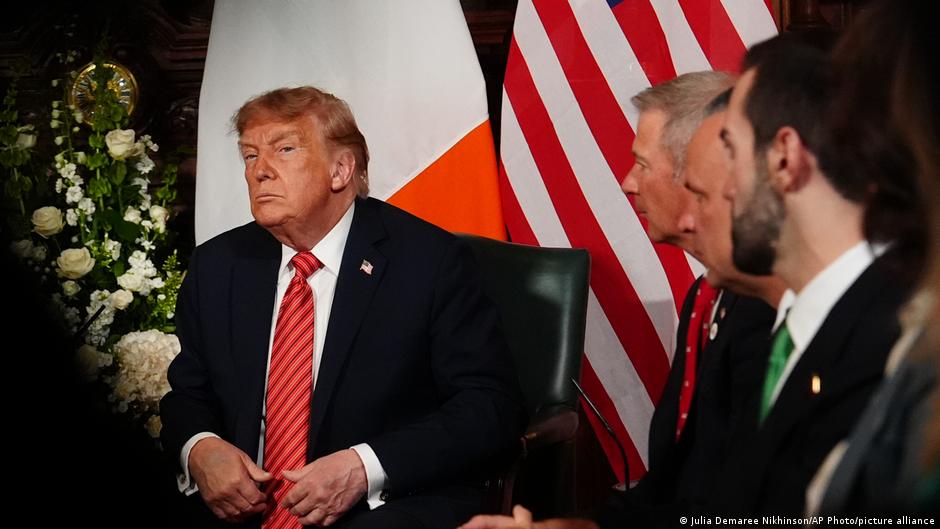
King Charles III’s US Visit Amid UK-US Tensions Reflects Market Uncertainty
The British monarch's visit highlights strained UK-US relations and prompts cautious investor sentiment in capital markets.
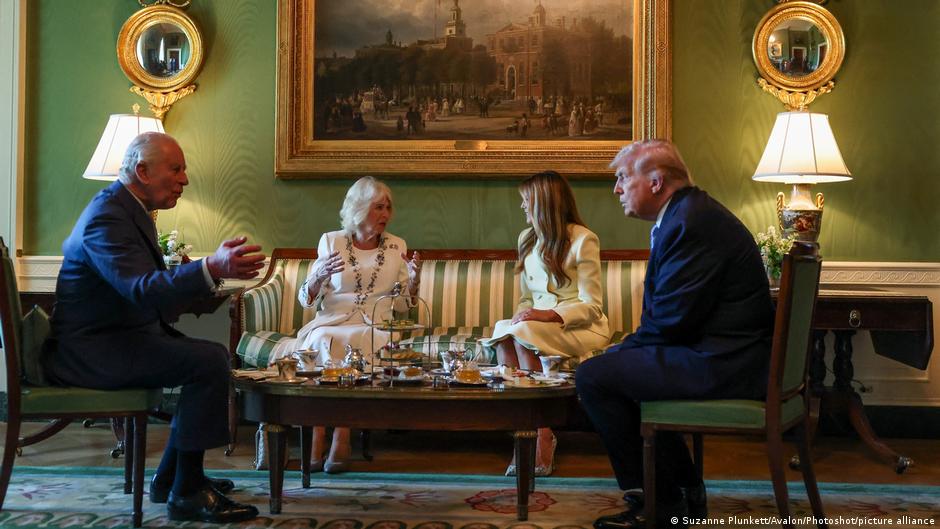
King Charles III and Queen Camilla arrived in the United States on April 27 for an official visit marked by sensitive geopolitical tensions between the UK and the US. The visit comes amid frictions rooted in divergent policies over the ongoing conflict involving Iran, complicating traditionally strong transatlantic ties.
US President Donald Trump and First Lady Melania Trump welcomed the British royal couple at the White House, underscoring the ceremonial importance of the occasion despite underlying diplomatic strains. The King is scheduled to address a joint session of the US Congress, a rare honor previously bestowed only on Queen Elizabeth II in 1991. Following this, the royals will participate in memorial events in New York commemorating the victims of the September 11 attacks.
Market Reactions and Investor Considerations
Investors are closely watching this visit amid heightened geopolitical uncertainty that is influencing capital markets, particularly equities and bonds. The UK’s refusal to let US forces use British bases for strikes on Iran and the decision not to deploy Royal Navy vessels to the Strait of Hormuz have underscored a cooling in military cooperation. This divergence has raised concerns about the future of NATO cohesion, especially after President Trump’s disparaging remarks about NATO members as "cowards" and his threats to withdraw from the alliance.
"The transatlantic alliance faces a test as UK-US relations strain under differing approaches to Middle East conflict and energy security."
Trump’s comments in early April challenged the effectiveness of the British fleet, suggesting it is outdated and incapable of securing critical maritime routes. This rhetoric has contributed to investor caution, particularly in defense and energy-related sectors. The perceived weakening of Anglo-American military coordination has prompted some bond market participants to seek safer assets amid fears of increased geopolitical risk.
Simultaneously, UK Prime Minister Keir Starmer’s push for energy independence—aimed at reducing reliance on global price manipulation by authoritarian regimes—adds another layer of uncertainty for investors. His administration’s investments in domestic energy infrastructure contrast with Trump’s confrontational approach and signal divergent economic priorities between the two allies.
Capital markets have responded with mixed signals: while some equity sectors tied to defense and energy face volatility, government bonds in both countries have experienced increased demand as risk aversion rises. Market participants are recalibrating portfolios to factor in the possibility of prolonged diplomatic tensions and their potential impact on trade and security cooperation.
Despite these challenges, President Trump has emphasized that King Charles III’s visit is separate from NATO politics, describing the monarch as a "great guy" and "friend." However, for investors, the symbolism of the visit juxtaposed with realpolitik differences serves as a reminder that traditional alliances may be evolving, with tangible effects on global capital flows.
As the King’s speech to Congress approaches, markets will be attentive to any signals of renewed cooperation or further divergence. The balance of maintaining historic ties while navigating contemporary geopolitical realities remains a key theme for investors assessing risk and opportunity in both US and UK markets.