US Halts Pakistan-Based Iran Negotiations, Citing Strategic Advantage and Costs
President Trump announces cease of US envoy travel to Pakistan for Iran talks, emphasizing superior US position and communication alternatives.
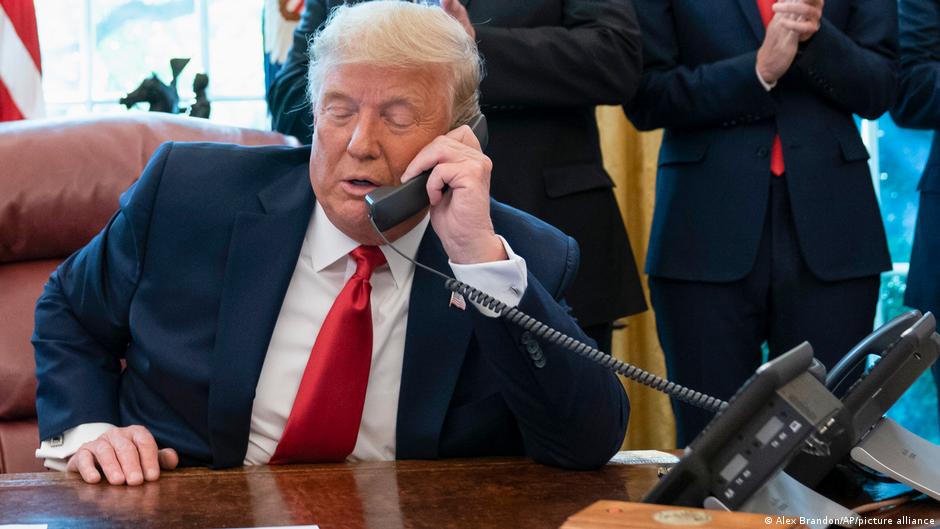
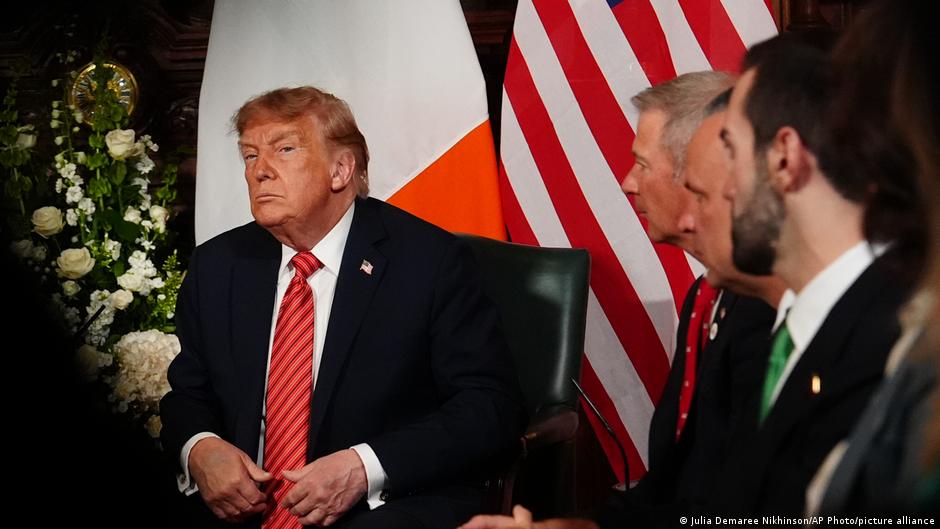
President Donald Trump has declared that American negotiators will no longer travel to Pakistan for discussions with Iran aimed at ending ongoing hostilities. Speaking in a Sunday interview on Fox News’ The Sunday Briefing, Trump cited the United States’ dominant position in the conflict as justification for this decision.
"We hold all the cards," Trump stated. "If they want to talk, they can come to us or call us. We have secure communication lines, though, honestly, no phone line can be completely secure."
The President highlighted the inefficiency of sending delegates on lengthy trips. "We won’t send people on 18-hour journeys just to meet. If they want to talk, we can do that remotely," he explained.
This announcement followed the cancellation of a planned trip by Trump’s negotiators Stephen Whitcoff and Jared Kushner to Islamabad, intended for late April talks with Iranian representatives.
"Too much time is wasted traveling, and there is significant internal confusion on their side," Trump posted on social media. "Nobody knows who is in charge over there, including themselves. Besides, we have all the leverage, and they have none."
Market Implications of US-Iran Diplomatic Shift
The suspension of face-to-face negotiations has elicited caution among investors and analysts monitoring Middle Eastern geopolitical tensions and their impact on capital markets. The initial diplomatic engagements in Islamabad, which began on April 11 shortly after a ceasefire was enacted, did not yield substantive agreements. The subsequent announcement by Trump to block the Strait of Hormuz, a vital oil transit corridor, coupled with Iran’s accusations of US violations of the ceasefire, have sustained underlying geopolitical risks in the region.
For equity markets, the shift towards remote diplomacy and the US’s hardline stance may sustain volatility, particularly in energy and defense sectors. Investors are closely watching whether the ceasefire pause—originally set for two weeks and now extended pending talks—will hold or deteriorate.
Bond markets, especially sovereign and corporate issuances tied to Middle Eastern economies and energy companies, face uncertainty over potential supply disruptions and policy sanctions. Traders are recalibrating risk premiums in response to the unpredictability of diplomatic developments.
Energy markets remain particularly sensitive, with crude oil prices reacting to potential disruptions of shipments through the Strait of Hormuz. The US’s blockade announcement underscored the fragility of supply routes, maintaining a risk premium on oil futures and related assets.
Iranian Foreign Minister Abbas Araghchi departed Pakistan after presenting Tehran's conditions for a realistic framework to end hostilities, emphasizing skepticism about US commitment to diplomacy. This mutual distrust further complicates market expectations for a swift resolution.
Despite the challenges, the ongoing ceasefire provides a temporary buffer against escalated conflict, granting investors a window to assess geopolitical risks. However, the lack of direct talks may prolong uncertainty, compelling market participants to maintain caution.
Overall, the US decision to halt envoy travel and rely on remote communications reflects a strategic posture that continues to influence capital flows and investor sentiment across equities, bonds, and commodities linked to the Middle East.