EU Begins Talks to Unblock €35 Billion in Funding for Hungary Amid Government Change
Hungary’s new leadership engages with the European Commission to restore withheld EU funds, impacting markets and investor confidence.
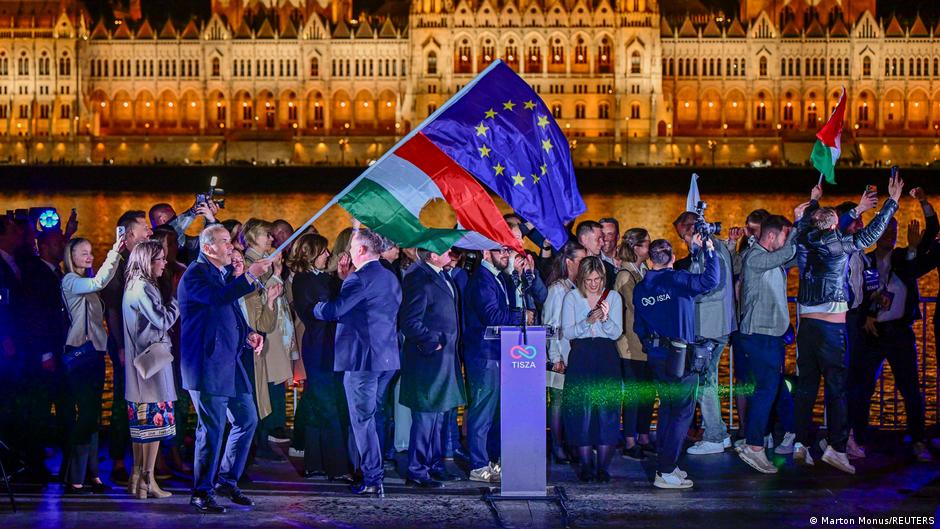
Hungary’s incoming Prime Minister Péter Magyar is set to engage in discussions with European Commission President Ursula von der Leyen regarding the release of substantial EU funds previously blocked under former Prime Minister Viktor Orbán’s administration. This development signals a potential shift in Hungary’s relationship with the European Union, with significant implications for capital markets and investors.
Background of the Funding Freeze and Political Shift
During Orbán’s tenure, the European Commission froze approximately €35 billion in EU funds allocated to Hungary, citing concerns over the country’s compliance with EU democratic standards and values. This suspension included critical subsidies intended for economically disadvantaged regions, pandemic recovery assistance, and a freeze on defense-related credits amounting to over €17 billion as of March 2026.
Following the recent parliamentary elections, Péter Magyar’s party “Tisza” won a decisive victory, prompting renewed negotiations with the European Commission to unblock these funds. Magyar announced plans to travel to Brussels for informal talks with von der Leyen, emphasizing the urgency of restoring financial flows to Hungary.
"I will travel to Brussels on Wednesday for informal negotiations with the European Commission president on unblocking EU funds. There is no time to waste," Magyar stated on social media.
Market Implications and Investor Outlook
The thawing of relations and potential unlocking of billions in EU support are likely to influence Hungarian financial markets positively. Equity investors may anticipate improved government spending on infrastructure and regional development, which could stimulate economic growth. Bond markets might also react favorably, as restored EU funding reduces fiscal pressure on Hungary and lowers sovereign risk premiums.
However, the European Commission insists on conditions before releasing funds, including domestic reforms and improved diplomatic ties, notably between Budapest and Kyiv. These stipulations introduce a level of political risk and uncertainty that capital markets will monitor closely as negotiations progress.
According to a representative of the European Commission, the withheld funds encompass a broad spectrum of financial assistance crucial for Hungary’s economic recovery and defense financing. The scale of frozen funds—amounting to €35 billion—underscores the potential impact on Hungary’s fiscal health once released.
Conclusion
Investors in Hungarian equities and bonds should watch for developments arising from these high-level discussions in Brussels. The restoration of EU funds could bolster Hungary’s economic outlook and market stability, while failure to meet EU conditions could prolong financial uncertainties. This episode reflects the broader trend of political shifts influencing capital flows in European markets.