Right-Wing German Party Expels Politician Over Hitler-Like Speech Amid Market Uncertainty
AfD's disciplinary action against Alexander Eichwald highlights political risks impacting investor sentiment in Germany.
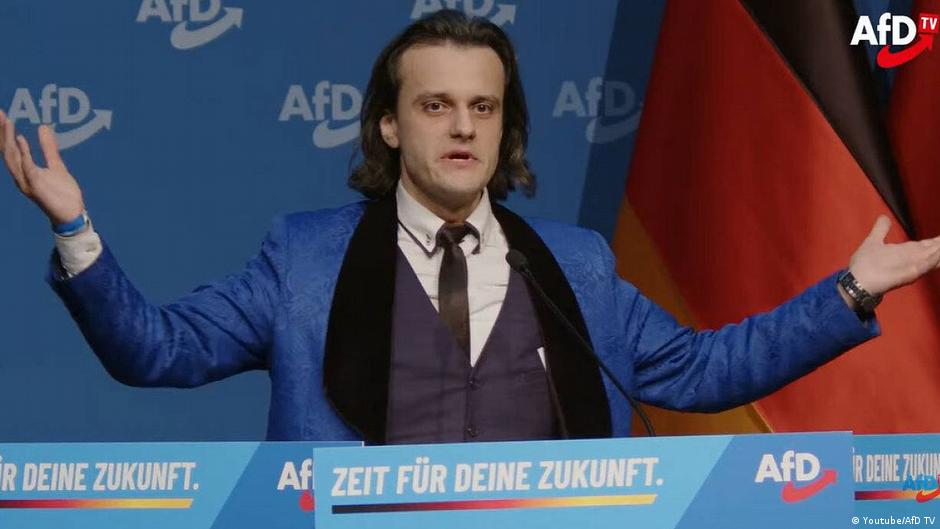
Germany's right-wing populist party, Alternative for Germany (AfD), has expelled Alexander Eichwald, a 30-year-old politician known for delivering a speech reminiscent of Adolf Hitler's oratory style. The party's disciplinary court cited behavior causing significant reputational damage as the reason for his removal.
Eichwald, a Russian-born German who grew up in Rostov-on-Don and moved to Germany at age nine, had gained media attention after his November 2025 speech at the AfD youth wing "Generation Germany" congress in North Rhine-Westphalia. His pronounced "r" sounds and gesturing evoked Hitler's infamous speeches, stirring controversy both within and outside the party.
Investor Implications Amid Political Instability
The AfD's swift disciplinary measures underscore internal tensions within Germany's political right. Such controversies contribute to perceptions of volatility in the German political landscape, a factor closely watched by investors in European capital markets.
Market participants typically respond to political uncertainty with caution, as it can signal policy unpredictability and increased risk premiums. The AfD, often viewed as a destabilizing force, has periodically influenced investor confidence, especially given Germany's central role in the European Union economy.
"Political turbulence within major parties like AfD can amplify risk aversion among investors, affecting equities and sovereign bond yields," said an analyst specializing in European markets.
The removal of Eichwald may be viewed as an attempt by the AfD to moderate its image and curb extremist associations. However, his public statements criticizing party leadership and drawing parallels between modern Germany and the Weimar Republic continue to fuel divisive narratives.
For equity investors, heightened political polarization in Germany could lead to increased market volatility, particularly for sectors sensitive to regulatory and social policy shifts. Meanwhile, bond markets may experience fluctuations as investors reassess Germany's political risk premium within the Eurozone’s debt framework.
Looking ahead, investors should monitor developments within the AfD and broader German political arena. Regulatory responses, public sentiment, and party re-alignments could shape market trajectories, influencing portfolio risk management and asset allocation strategies.
Alexander Eichwald retains the right to appeal the expulsion to the AfD federal arbitration court and has indicated his intent to do so. His ongoing dissent, including recent social media activity reiterating his controversial speech style, suggests the political saga may continue to affect perceptions of stability in Germany's capital markets.