Fake BBC Report on Stolen Cezanne Painting Sparks Disinformation Concerns Affecting Market Sentiment
Disinformation campaigns involving fake art theft stories linked to Russian GRU networks raise investor caution amid geopolitical tensions.
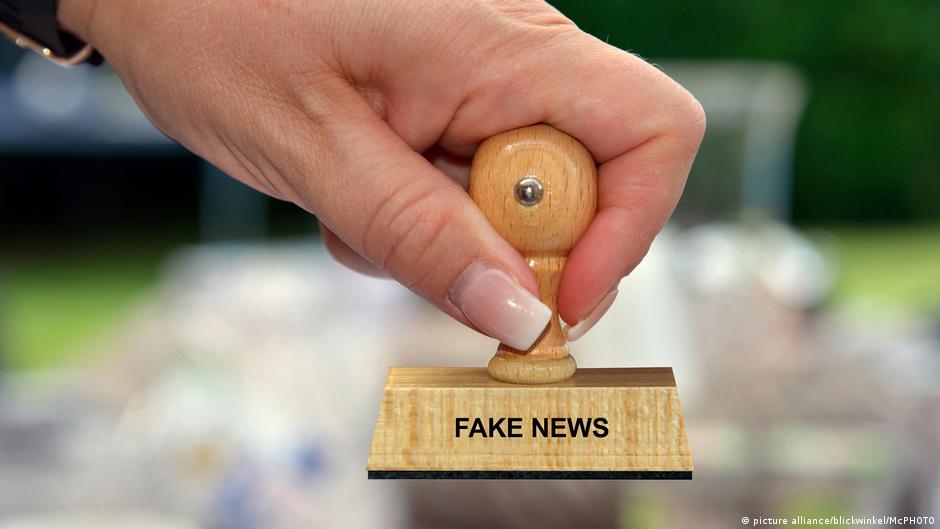
Recently, a fabricated news segment falsely attributed to BBC News surfaced online, alleging that a stolen painting by Paul Cézanne titled "Still Life with Cherries" was discovered in Ukrainian President Volodymyr Zelensky's office. Despite bearing the BBC News logo, the media corporation confirmed the video was fake and never aired such a report. This disinformation episode illustrates growing concerns over information manipulation that can influence market confidence and investor sentiment amid ongoing geopolitical strains.
Market Implications of Disinformation in Geopolitical Conflicts
The viral fake video, viewed over 400,000 times in a single social media profile within hours, was part of a broader network linked to Russia's military intelligence agency, the GRU. Investigations by France 24 and Euronews revealed that such narratives are propagated by organized disinformation groups, notably the "Storm-1516" network, which has been active for several years targeting Western countries. These coordinated operations aim to sow confusion and erode trust in legitimate news sources.
"The Storm-1516 network has orchestrated multiple disinformation campaigns against France and other Western nations, complicating the information landscape that investors rely on for decision-making," noted a report from France 24 citing Gnida Project analyses.
From a capital markets perspective, such disinformation efforts can amplify geopolitical uncertainty, negatively influencing equities and bond markets, especially in sectors sensitive to geopolitical risks such as defense, energy, and emerging markets. Investors often react to perceived instability by reallocating assets to safer havens, increasing market volatility.
In this particular case, the fabricated story implicating Ukrainian leadership in illicit activities could exacerbate concerns over Ukraine's political stability during an ongoing conflict with Russia. This may prompt risk-averse investors to reduce exposure to Ukrainian assets or related securities, potentially impacting currency valuations, government bond yields, and equity indices tied to the region.
Moreover, the presence of false narratives masquerading as credible journalism undermines market transparency. Reliable information is crucial for efficient capital allocation; disinformation disrupts this by distorting perceptions of risk and opportunity. Consequently, institutional investors and fund managers are compelled to incorporate geopolitical risk assessments and media verification mechanisms into their investment processes.
The fake video also highlights the challenges media consumers face in verifying content amid sophisticated digital manipulations. As geopolitical tensions persist, market participants must remain vigilant against misinformation that could influence market dynamics beyond fundamental economic indicators.
In conclusion, the dissemination of fake news connected to geopolitical conflicts exemplifies a non-traditional risk factor increasingly relevant for capital markets and investors. Understanding these dynamics is essential for navigating today's complex investment environment.