Uzbek Banks Implement New Limits on Automatic Debit Operations Impacting Capital Markets
New regulations prevent banks from withdrawing funds below a set threshold via automatic debits, affecting liquidity and investor confidence in Uzbekistan.
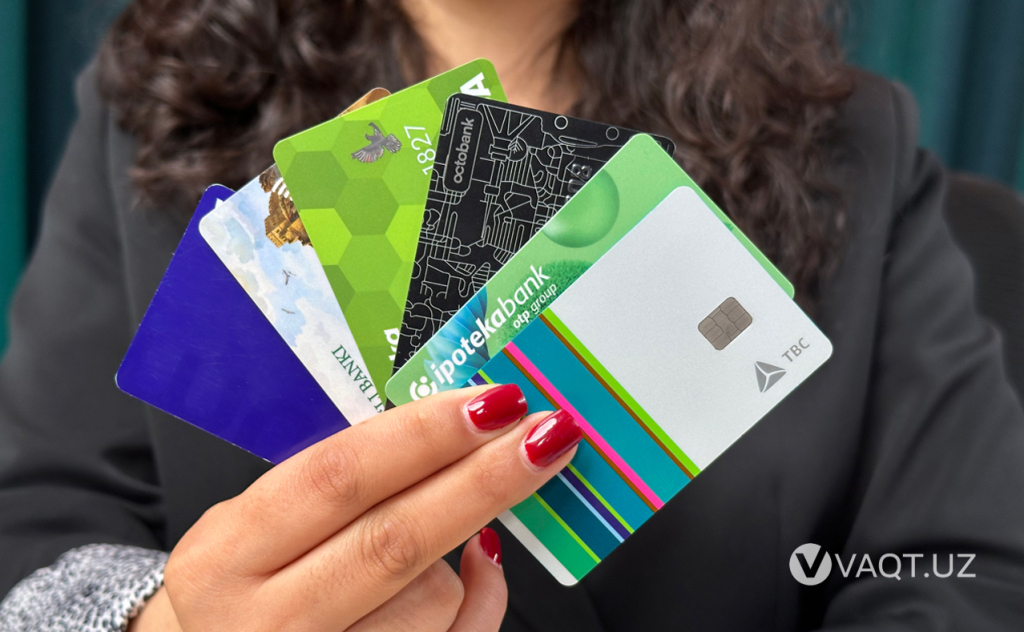
Starting April 15, a new regulation in Uzbekistan restricts banks from fully withdrawing funds from clients' bank cards through automatic debit operations, known locally as "akseptsiz yechib olish." This move mandates that banks leave a minimum balance equivalent to three times the base calculation amount—currently 1,236,000 Uzbek soums—on any card involved in debt repayment activities such as loans, installments, and microcredits.
Implications for Investors and Capital Markets
The introduction of this minimum balance requirement in automatic debit transactions fundamentally alters the liquidity management practices of Uzbek banks. Previously, banks could deplete customer card balances entirely to cover outstanding debts. Now, even when debt obligations exist, only the amount exceeding the prescribed minimum can be withdrawn automatically.
"Banks will now only be able to withdraw funds exceeding the minimum balance, preventing full depletion of card funds during automatic debt repayments."
This regulatory change is designed to protect consumers from total balance exhaustion, potentially stabilizing retail spending patterns and consumer confidence. However, it also introduces a new dynamic for banks and financial institutions managing credit risk and debt recovery processes.
From a capital markets perspective, these modifications may influence bank liquidity profiles and affect short-term funding availability. Investors in Uzbek banking equities and bonds should monitor how these operational constraints impact banks' non-performing loan ratios, provisioning costs, and overall profitability.
It is important to note that these restrictions apply exclusively to automatic debits. If a customer authorizes a payment manually, for example, via a one-time code confirmation, banks can withdraw the full available balance. This distinction maintains certain flexibilities in payment processing but introduces complexity in transaction management and risk assessment.
Technically, payment systems have already implemented this change, and some banks have begun informing clients about the new rules. Market participants should anticipate gradual adjustments in credit collection efficiency and consumer behavior, potentially impacting the pricing of banking securities and credit instruments.
Overall, while aimed at consumer protection, this regulatory development adds a new layer of operational consideration for Uzbek banks and their investors. Keeping abreast of how these policies affect liquidity and credit risk is critical for assessing the outlook of Uzbekistan's financial sector.