Truce Between Israel and Lebanon Extended by Three Weeks, Market Implications for Investors
US-led extension of Israel-Lebanon ceasefire raises prospects for regional stability, influencing capital markets and investor confidence.
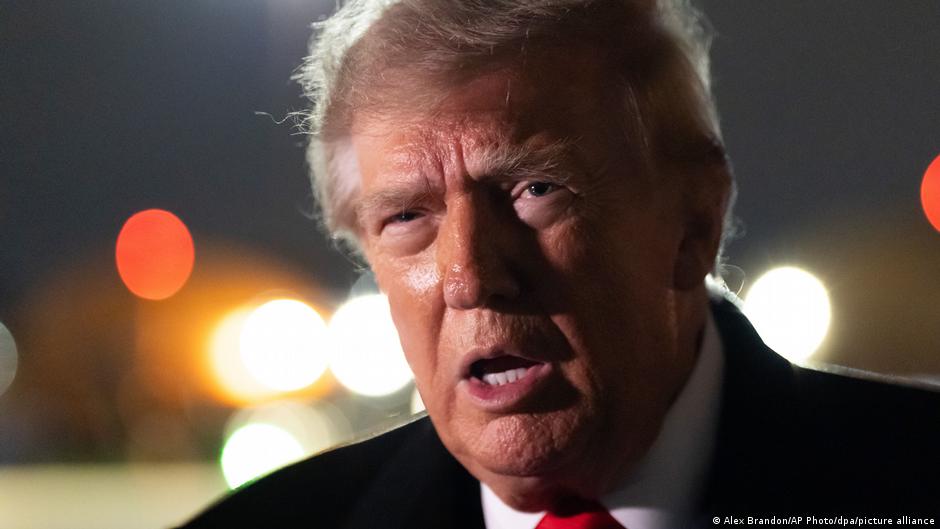
The ceasefire between Israel and Lebanon has been extended for an additional three weeks, announced by former US President Donald Trump on April 23 via social media. This development follows intensive diplomatic engagements involving US officials and representatives from both countries.
Diplomatic Progress and Market Reactions
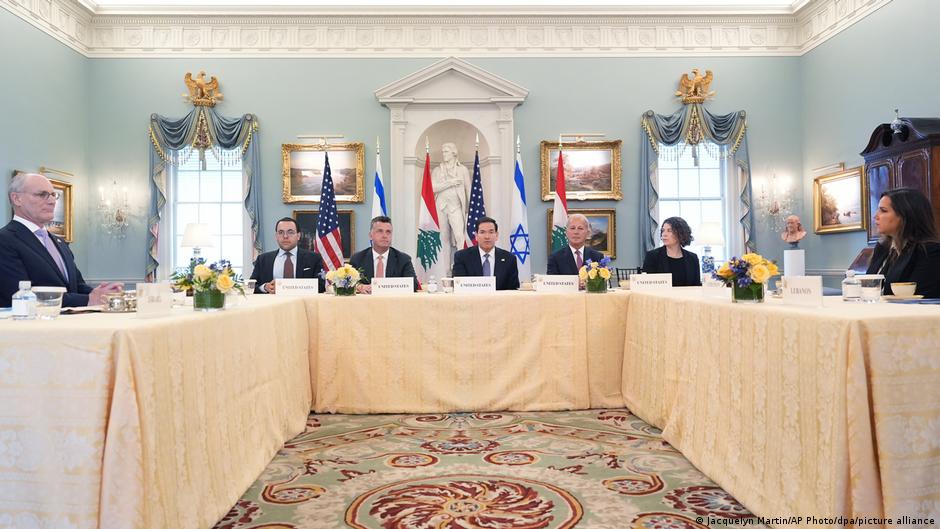
The agreement to prolong the truce comes after a high-level meeting including Trump, Vice President J.D. Vance, Secretary of State Marco Rubio, and the US ambassadors to Israel and Lebanon, Mike Huckabee and Michelle Issa, alongside senior officials from Israel and Lebanon. Trump highlighted the meeting as "very successful," emphasizing US cooperation with Lebanon to counter the influence of Hezbollah.
"The United States will collaborate with Lebanon to help it defend against Hezbollah," Trump stated.
Trump also expressed anticipation of hosting Israeli Prime Minister Benjamin Netanyahu and Lebanese President Joseph Aoun soon, framing the ceasefire extension as a stepping stone toward broader peace negotiations.
Impact on Capital Markets and Investor Sentiment
The truce extension and ongoing diplomatic efforts have triggered notable responses in regional capital markets. Investors, often sensitive to geopolitical risks in the Middle East, have reacted positively to the prospects of reduced hostilities and potential for long-term stability.
Equity markets in Israel experienced modest gains following the announcement, buoyed by optimism surrounding diminished conflict risks that typically weigh on corporate earnings and investor confidence. Similarly, Lebanese financial instruments, including sovereign bonds, showed signs of stabilization amid hopes that peace talks might lead to improved creditworthiness and economic recovery.
Market analysts caution, however, that while the ceasefire provides temporary relief, underlying tensions and unresolved issues—particularly concerning Hezbollah's disarmament and Iran's regional influence—may continue to pose risks.
"Investors are encouraged by the truce extension but remain vigilant," said a regional market strategist. "Sustained peace would be a significant catalyst for capital inflows and broader economic normalization, but the path remains fragile."
Background and Next Steps
The ceasefire extension follows the first direct negotiations between Israeli and Lebanese representatives in Washington since 1993, held on April 14. The US State Department described these talks as a "historic milestone," signaling a rare breakthrough in efforts to resolve longstanding conflicts.
Prime Minister Netanyahu has authorized direct talks with Lebanon aimed at disarming Hezbollah and establishing peaceful relations, reflecting a strategic shift toward diplomatic engagement despite ongoing regional complexities.
For investors, the ongoing US facilitation of dialogue and ceasefire maintenance could mean reduced volatility in Middle Eastern markets, potentially encouraging portfolio diversification and long-term investment strategies in the region.