Hungarian PM Viktor Orban Declines Parliamentary Seat Amid Party Leadership Shift
Viktor Orban steps back from parliamentary duties but remains Fidesz party chairman as new leadership emerges following election defeat.
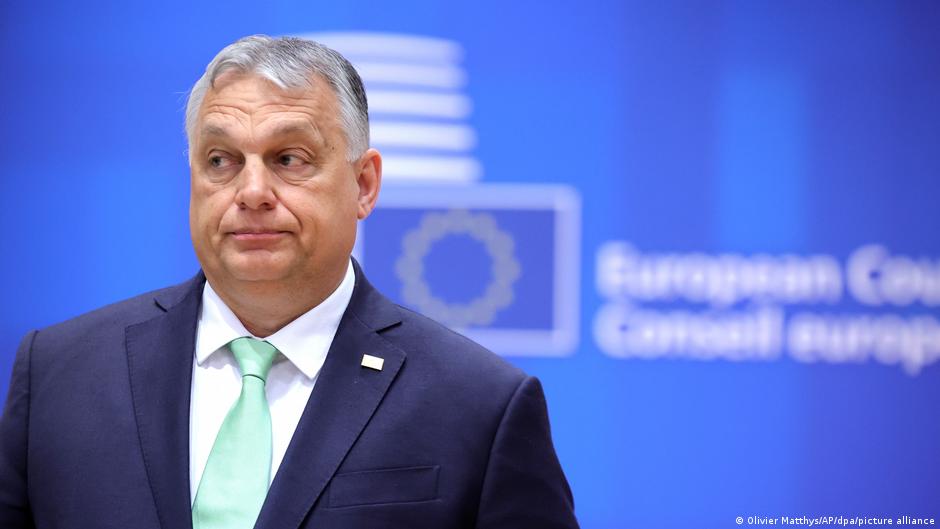
Viktor Orban, the outgoing Prime Minister of Hungary, announced he will not take up his parliamentary seat in the new legislative session after his party, Fidesz - Hungarian Civic Alliance, lost the recent parliamentary elections. This decision marks a significant shift in Hungary's political landscape, with implications for the nation’s capital markets and investor sentiment.
Leadership Transition in Hungary’s Parliament
Orban stated that the parliamentary mandate he received as the leading candidate of the Fidesz-Christian Democratic People's Party coalition effectively belongs to the party rather than to him personally. Consequently, he has chosen to relinquish the mandate to focus on reorganizing the national movement outside of parliament. The new leader of the Fidesz/Christian Democratic parliamentary faction will be Gergely Gulyás, who previously headed the Prime Minister’s Office.
Despite stepping back from parliamentary duties, Orban intends to remain chairman of the Fidesz party, with this issue scheduled for discussion at the party congress in June.
Implications for Hungarian Markets and Investors
Orban’s withdrawal from parliament and the ascendance of opposition leader Péter Márki-Zay’s party, Tisza, which won the election, signals potential shifts in Hungary’s political and economic policies. Márki-Zay is expected to assume the premiership on May 9 and has already promised to reverse several of Orban’s key decisions, creating a degree of uncertainty for investors and market participants.
“We are entering a new era where political changes will influence Hungary’s economic trajectory and investor confidence,” said a market analyst familiar with Central European affairs.
Among the anticipated policy reversals, Márki-Zay plans to halt Hungary’s withdrawal from the International Criminal Court (ICC), a process initiated by Orban following the controversial visit of Israeli Prime Minister Benjamin Netanyahu amid an ICC arrest warrant against him. This diplomatic stance had drawn international scrutiny and geopolitical risks.
Moreover, the new government intends to cease blocking European Union funding packages, including a €90 billion credit to Ukraine and sanctions against Russia. This marks a potential easing of previous frictions between Hungary and Brussels, which may positively influence Hungary’s creditworthiness and sovereign bond markets.
Notably, Hungary’s approval of the EU credit followed Ukraine’s resumption of Russian oil transit through Hungary via the Druzhba pipeline, reflecting pragmatic energy considerations that investors will monitor closely.
Geopolitical Context and Market Reactions
Orban was known for his close ties to Russian President Vladimir Putin, maintaining connections even after the Russian full-scale invasion of Ukraine. Reports have suggested Moscow deployed political technologists to support Orban’s campaign efforts, although these attempts did not prevent his electoral loss.
The Kremlin’s reaction was muted after the election, with Moscow declining to congratulate Márki-Zay’s victory and labeling Hungary as a “non-friendly country.” Nonetheless, Russian authorities expressed interest in maintaining pragmatic contacts, adding a layer of complexity to Hungary’s foreign relations and market stability.
For investors, these political developments underline the importance of closely watching Hungary’s evolving policy direction, especially in relation to EU relations, sanctions, and energy dynamics. Market actors should anticipate volatility in Hungarian equities and government bonds as the new administration clarifies its economic agenda.
Overall, Orban's stepping down from parliament but retaining party leadership reflects a strategic retreat that allows him to influence Fidesz’s future while adapting to the changing political environment. Investors will be keen to evaluate how this balance of power affects Hungary’s fiscal policies, EU engagement, and geopolitical risk profile going forward.