Moscow Exchange Market Manipulation Case Spurs Regulatory Crackdown and Investor Concerns
Russian court restricts actions of accused traders amid allegations of stock price manipulation impacting capital markets.
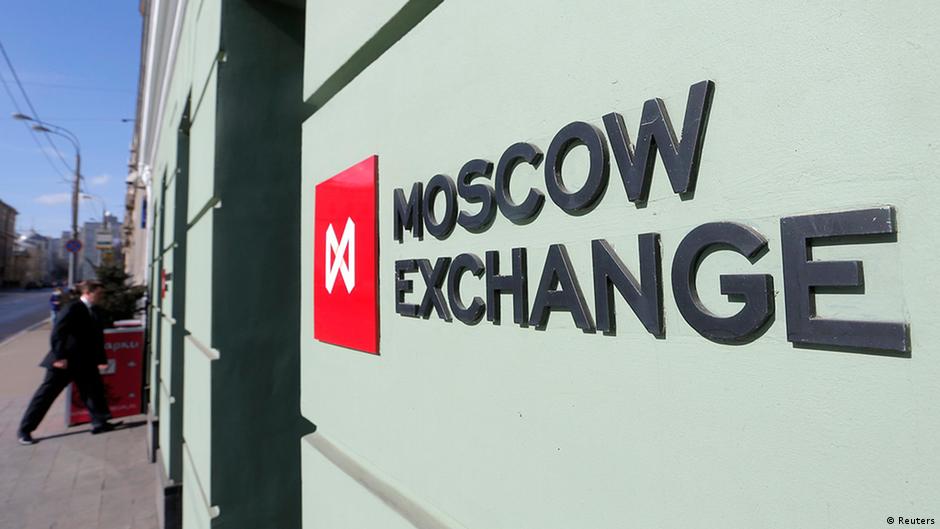
The Basman District Court in Moscow has imposed restrictions on Ilya Marochenkov and Gavriil Romanenko, accused of manipulating financial instrument prices on the Moscow Exchange using Telegram channels, signaling heightened scrutiny of market conduct in Russia's capital markets.
Market Manipulation Allegations and Regulatory Actions
According to the investigation, the accused allegedly extracted over 28 million rubles through orchestrated trading practices. The suspects partially admitted guilt, highlighting the gravity of the charges that have sent ripples through the Russian equities and bond markets.
On April 13, Russian law enforcement agencies, including the Ministry of Internal Affairs and the Federal Security Service, apprehended three individuals suspected of systematically influencing securities prices via thematic Telegram channels. These channels — "MarketsMoneyPower | RDP," "RCB Signals," and "Wolf from Mosbirzhi" — reportedly published calls to buy or sell specific assets during 2023-2024, affecting market quotes for a combined audience nearing 300,000 investors.
"The participants of the organized group derived excess income exceeding 28 million rubles," the court statement read.
In response, the Bank of Russia issued ten regulatory orders citing violations of federal laws designed to combat the unlawful use of insider information and market manipulation. Notably, these orders targeted not only the individuals involved but also extended to partners of investment firm PFL Advisors, including Vladislav Panteleev.
The Investigative Committee of the Russian Federation has confirmed that the criminal case involves an organized group associated with PFL Advisors, alleging the group executed over 55,000 illegal transactions. These trades reportedly involved selling securities at inflated prices after artificially influencing their quotes, raising concerns about market integrity.
Implications for Investors and Capital Markets
These developments underscore significant risks for market participants on the Moscow Exchange. The use of social media channels like Telegram as a tool for market manipulation challenges traditional regulatory frameworks, raising questions about transparency and investor protection.
For investors, especially retail participants drawn in by these channels, the case highlights the potential vulnerabilities in equity and bond markets where illicit information dissemination can distort price discovery and increase volatility. The regulatory crackdown signals Moscow Exchange authorities' commitment to maintaining fair and orderly markets but also cautions investors to exercise increased due diligence.
Market analysts expect that heightened enforcement actions may lead to more cautious trading behavior, particularly among smaller investors who rely on social media cues. Meanwhile, institutional investors may seek reassurance from regulatory bodies about ongoing improvements in surveillance and compliance mechanisms.