EU Extends Sanctions on Russia for One Year, Impacting Capital Markets and Investor Sentiment
EU agrees to extend Russia sanctions for a full year, marking a shift with implications for equities, bonds, and energy markets.
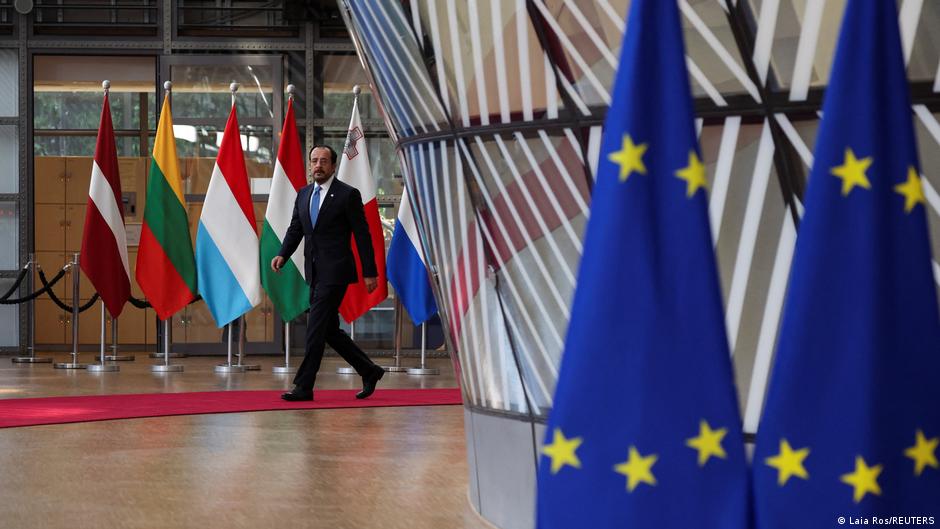
In a significant development for European capital markets, the European Union (EU) has agreed to extend its sanctions against Russia for an unprecedented full year, departing from the previous six-month renewal pattern. This decision, reached during the EU summit in Brussels on June 18, signals a stronger and more sustained policy stance which is expected to influence investor sentiment and market dynamics across multiple asset classes.
Market Implications of the EU's Sanctions Extension
Previously, the extension of sanctions faced hurdles due to opposition by former Hungarian Prime Minister Viktor Orban, who consistently blocked longer-term renewals. However, with Orban replaced by Prime Minister Peter Marki-Zay in May, Hungary’s veto has been lifted, allowing the EU’s 27 member states to unanimously back a year-long renewal of sanctions targeting Russia.
The sanctions are part of the EU’s response to Russia’s ongoing military aggression in Ukraine and aim to further restrict Russia’s military economy and reduce its revenues, especially from energy exports. Investors should note that the certainty of a longer sanction period reduces political risk around the potential easing of restrictions, which can weigh on Russian assets and companies with significant exposure to or reliance on the Russian market.
"The EU intends to increase pressure on Russia and continue weakening its military economy to prompt a halt to the war and encourage meaningful peace negotiations." – EU Summit Declaration
Capital markets have already priced in the impact of sanctions on sectors such as energy, banking, and commodities. With the extension for a full year, bond investors may anticipate sustained elevated risk premiums on Russian sovereign and corporate debt. Equities with exposure to Russia or energy supply chains are likely to face continued volatility and potential valuation discounts.
Furthermore, the EU’s declaration emphasizes the importance of reducing Russia’s energy export revenues, including measures targeting the so-called "shadow fleet" used to circumvent sanctions. This signals potential future restrictions that could impact global energy prices, energy equities, and related commodity derivatives.
Outlook on the 21st Sanctions Package and Investor Considerations
The EU plans to introduce its 21st sanctions package, details of which remain undisclosed but are rumored to include:
- Entry bans for Russian military personnel involved in the Ukraine conflict;
- Measures targeting influential figures such as Patriarch Kirill of the Russian Orthodox Church and Arkady Dvorkovich, President of the International Chess Federation;
- New restrictions affecting Russia’s energy, financial sectors, trade, and notably, for the first time, fisheries.
While most EU countries support the new sanctions, Bulgaria’s Prime Minister Rumen Radev has expressed intent to veto the 21st package, citing concerns about Bulgaria’s economy and opposition to restrictions on Patriarch Kirill. This reveals ongoing political complexities within the EU that could affect the timeliness and scope of forthcoming sanctions.
For capital market participants, understanding these geopolitical risks and sanction trajectories is essential for portfolio risk management. Investors should monitor developments closely, particularly in sectors sensitive to energy policies, trade restrictions, and geopolitical tensions.
With the EU also reaffirming support for Ukraine’s EU accession negotiations, broader regional stability remains a key focus, further influencing market volatility and investment prospects.
In summary, the EU’s year-long extension of sanctions against Russia marks a decisive moment that underscores the intersection of geopolitics and capital markets, emphasizing the need for investors to adapt strategies amid evolving risks and regulatory landscapes.