NATO Intelligence Reports Possible Russian Deployment of Undersea Nuclear-Capable Missiles
NATO surveillance indicates Russia may have developed seabed-based ballistic missiles, raising concerns for global strategic stability and market uncertainty.
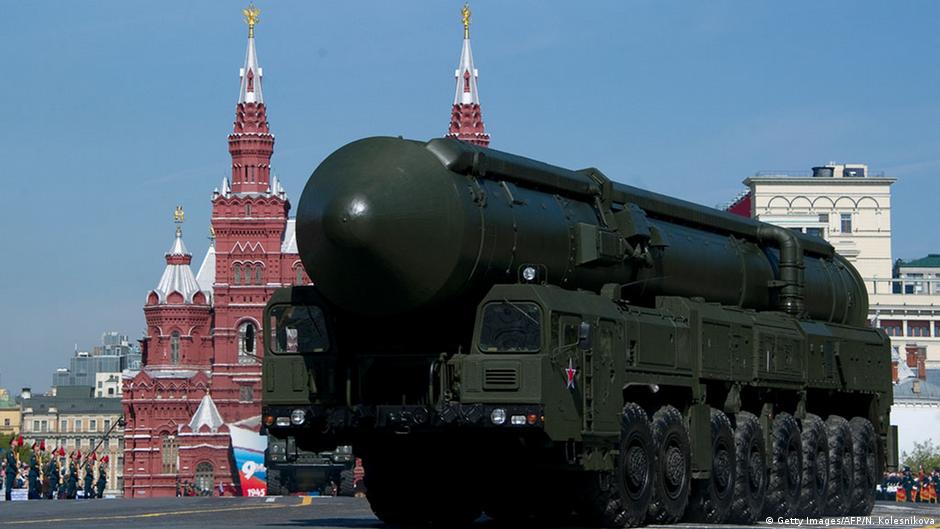
NATO intelligence has reportedly detected activities by Russia's Northern Fleet suggesting attempts to deploy ballistic missiles capable of carrying nuclear warheads on the seabed. The revelation, based on an investigation by German broadcasters ARD, WDR, and NDR, signals a potentially significant shift in strategic military capabilities that could unsettle global investors and impact capital markets.
Implications for Markets and Investors
The secretive project, codenamed "Skif," involves the development of a modified version of the Russian submarine-launched "Sineva" missile, adapted for launch from seabed installations. According to the investigation, these missiles could remain undetectable and operational at depths of several hundred meters, with a range spanning thousands of kilometers. Initial tests of the system reportedly took place several years ago.
From a capital markets perspective, such developments could increase geopolitical risk premiums, particularly affecting equities in defense sectors and sovereign bonds of countries closely tied to NATO and Russia. Heightened tensions could lead to increased demand for safe-haven assets, while defense contractors may see stock volatility tied to anticipated shifts in military spending.
"Deploying ballistic missiles on the seabed could offer Russia a cost-effective way to maintain nuclear deterrence, but it introduces new technical challenges and strategic uncertainties," noted Helge Adrians, an expert from the Berlin-based Science and Politics Foundation.
Investors should monitor related announcements for potential shifts in government defense budgets and international diplomatic responses, which may influence currency markets, commodity prices—especially those linked to energy and metals—and bond yields in affected regions.
Technically, the missiles are believed to be stored in specialized shafts or containers on the ocean floor, deployable remotely when needed. The Russian vessels "Zvezdochka" and the submarine "Sarov," based in Severodvinsk on the White Sea coast, are suspected to be involved in the installation process.
The project raises strategic concerns beyond military applications. The 1971 treaty that bans nuclear weapons on the seabed only applies to international waters, not a nation's territorial waters, leaving a gray area exploited by Russia if these reports are confirmed.
While NATO and the Russian Ministry of Defense have not commented on the "Skif" project, market participants are likely to factor this intelligence into their geopolitical risk assessments. Increasing uncertainty might affect risk appetite, prompting shifts in asset allocations toward more defensive positions.