Italy’s Foreign Minister Cancels U.S. Visit Amid Diplomatic Tensions with Trump
Antonio Tajani calls Trump’s remarks on Italian Prime Minister Meloni serious and offensive, leading to the cancellation of a key business forum visit.
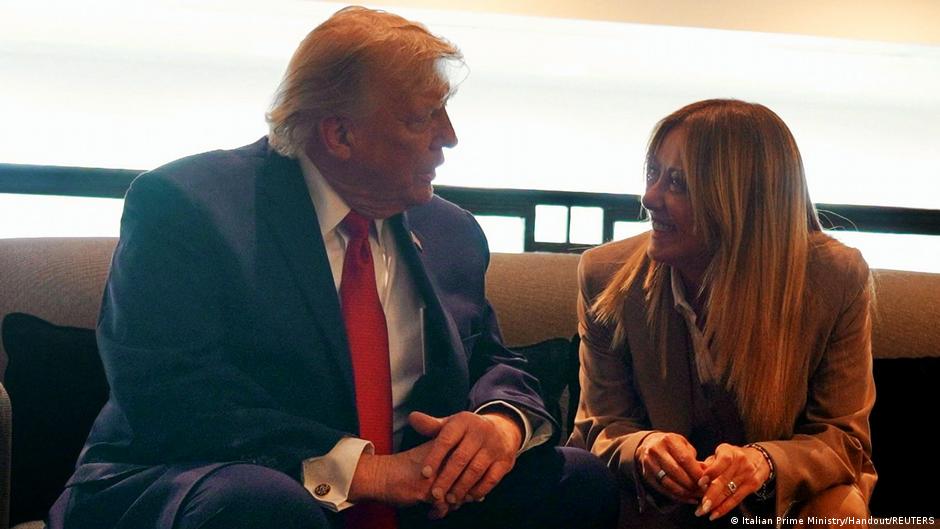
Italy’s Foreign Minister Antonio Tajani has canceled his scheduled visit to the United States on June 21-22 following controversial comments made by former U.S. President Donald Trump regarding Italian Prime Minister Giorgia Meloni. The cancellation marks a notable diplomatic rift that could unsettle investor sentiment, particularly in markets sensitive to geopolitical developments.
Market Implications of Rising Diplomatic Strains
Tajani was slated to participate in the Italy-U.S. Business, Investment, Science and Innovation Forum in Miami, an event designed to bolster bilateral economic ties. The U.S. State Department had also announced a planned meeting between Tajani and Senator Marco Rubio during the forum, highlighting its significance for transatlantic cooperation and investment flows.
However, Trump’s remarks describing Meloni as having "begged" for a photo opportunity at the G7 summit in Evian-les-Bains, France, have inflamed tensions. Tajani publicly condemned these statements as "serious and offensive," issuing a cancellation statement on social media. This diplomatic discord comes at a time when global markets are already grappling with geopolitical uncertainties, and such frictions risk exacerbating investor concerns, particularly in European equities and Italian sovereign bonds.
"Serious and offensive statements by President Trump against Prime Minister Giorgia Meloni are an insult to all of Italy," Tajani stated in his cancellation announcement.
The diplomatic fallout has led investors to reassess Italy’s political stability and its relationship with key allies like the United States. Italian equities could face volatility as market participants weigh the potential impact of strained diplomatic relations on trade agreements and foreign direct investment. Meanwhile, Italian government bonds might experience heightened risk premiums amid fears of political instability.
Prime Minister Meloni herself responded sharply, rejecting Trump’s characterization and expressing disappointment at his attitude toward Western allies. She contrasted his approach to adversaries, remarking on Trump’s perceived leniency toward certain global threats while being harsh on traditional partners.
This episode follows a pattern of contentious exchanges involving Trump’s criticisms of both Meloni and other prominent global figures, including Pope Leo XIV. These ongoing personal and political clashes add layers of complexity to Italy-U.S. relations, with potential downstream effects on investor confidence and capital flows.
For investors, the key takeaway is to monitor evolving geopolitical developments closely, as diplomatic tensions have increasingly become a driver of market volatility. The cancellation of a high-profile forum visit underscores underlying strains that could influence market sentiment toward Italian assets and broader European market dynamics.
Given Italy’s role in the European Union and global trade networks, sustained diplomatic friction with the United States could complicate efforts to attract U.S. investment and collaboration in innovation sectors—a concern for equity markets focused on growth industries.
Looking ahead, market participants will be attentive to any attempts at diplomatic rapprochement or further escalations, recalibrating risk exposure accordingly. The intersection of politics and market performance remains a critical factor for capital allocation decisions in an interconnected global economy.