US President Trump Delays Planned Military Strike on Iran Amid Diplomatic Pressure
Trump postpones a scheduled attack on Iran following interventions by Gulf leaders, signaling ongoing high-stakes negotiations with significant market implications.
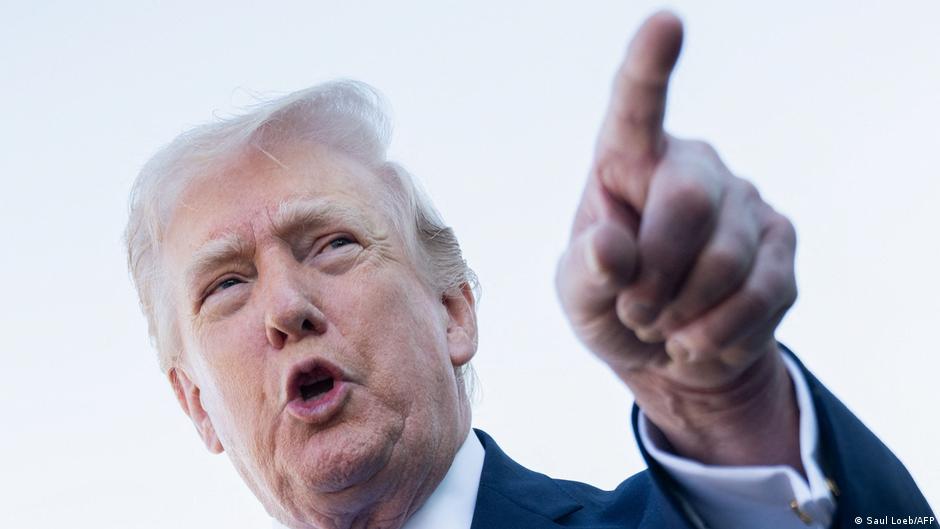
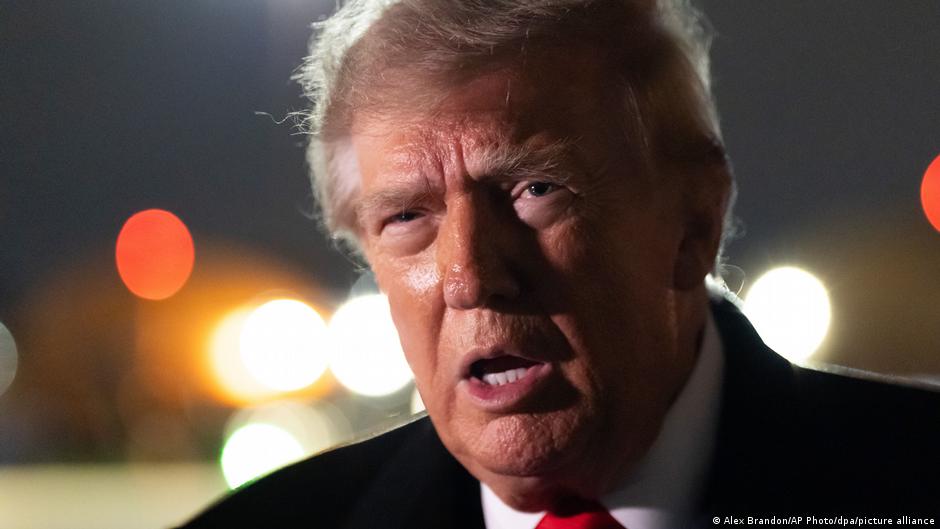
US President Donald Trump announced the postponement of a planned military strike on Iran initially set for May 19. The decision came after appeals from key Gulf leaders, including the Emir of Qatar, the Crown Prince and Prime Minister of Saudi Arabia, and the President of the United Arab Emirates.
In a statement posted on his social media platform, Truth Social, Trump explained that these regional partners urged the US to reconsider the attack, emphasizing the current "serious negotiations" underway. These talks are expected to culminate in an agreement that would be acceptable not only to the United States but also to countries across the Middle East and beyond.
Central to the proposed deal is the prohibition of nuclear weapons development in Iran, a point underscored by the US administration. However, military readiness remains a priority, with orders given to the Pentagon, Joint Chiefs of Staff, and US Armed Forces to remain prepared for a full-scale offensive should negotiations fail.
Market Implications and Investor Concerns
"The geopolitical uncertainty introduced by these developments has triggered cautious reactions across global capital markets, especially in energy and defense sectors," said a market analyst.
The news of a deferred strike initially unsettled global markets, reflecting heightened investor sensitivity to Middle Eastern geopolitics. Equities in defense contractors saw modest gains on speculation of potential military action, while oil prices experienced volatility amid fears of supply disruptions in the strategically vital Strait of Hormuz.
Bond markets also reacted; US Treasury yields showed signs of safe-haven buying as investors sought refuge amid escalating tensions. However, the announcement of ongoing talks injected a degree of optimism, stabilizing markets as hopes for a diplomatic resolution increased.
Iran's Ministry of Foreign Affairs communicated its position through Pakistan, indicating a complex diplomatic channel at work. Meanwhile, Iranian state media outlined Washington's demands for the second round of peace negotiations, including prohibitions on Iran's nuclear capabilities, restrictions on uranium enrichment, and limited access to frozen assets. Tehran views these demands as extending the objectives of ongoing conflicts, contributing to a diplomatic impasse.
The stalemate is further compounded by Iran's own conditions for peace, which include the cessation of hostilities in Lebanon, lifting of sanctions, unfreezing of assets, war damage compensation, and recognition of sovereignty over the Strait of Hormuz. These high-stakes negotiations and ongoing regional hostilities, including maritime confrontations and drone attacks in the Persian Gulf, maintain a volatile environment for investors.
Market participants are closely monitoring developments, balancing between the risks of military escalation and the potential for a breakthrough diplomatic agreement. The delicate balance will continue to influence equity and bond market dynamics, particularly within sectors exposed to geopolitical risk.