US-Brokered Israel-Lebanon Ceasefire Sparks Mixed Reactions in Capital Markets
The US-mediated ceasefire between Israel and Lebanon influences regional equities and bond markets amid ongoing geopolitical tensions.
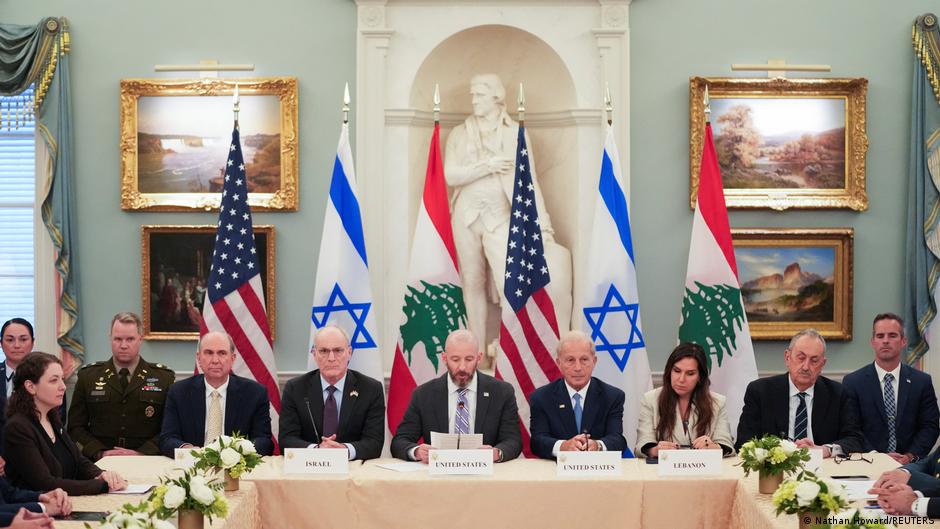
The recent ceasefire agreement between Israel and Lebanon, brokered by the United States, marks a significant development in a region long fraught with conflict. Announced on June 3 by the US State Department, the agreement calls for a complete cessation of hostilities by the Lebanese militant group Hezbollah and the withdrawal of its fighters from the area south of the Litani River.
Market Reactions and Investor Implications
The announcement triggered immediate responses across capital markets, particularly affecting equities and sovereign bonds within the Middle East. Investors greeted the ceasefire cautiously, balancing relief over de-escalation with concerns about lingering instability and the broader geopolitical context involving Iran and US-Israel military actions.
Regional stock markets displayed mixed performances. Israeli equities experienced modest gains, reflecting investor optimism towards reduced military conflict risks. However, Lebanese markets remained subdued amid the country's ongoing economic challenges, including debt distress and political instability exacerbated by the conflict.
Bond markets also responded notably. Israeli government bond yields marginally decreased, signaling improved risk sentiment, while Lebanese sovereign bonds remained under pressure, given Lebanon’s fragile fiscal position and the potential for renewed hostilities if the ceasefire fails.
"The ceasefire is a step forward for regional stability, but investors remain vigilant as the underlying tensions with Iranian-linked groups persist," says a market analyst specializing in Middle Eastern geopolitics.
Looking ahead, investors will closely monitor the scheduled direct talks between Israeli and Lebanese representatives planned for the week of June 22. These discussions aim to establish a comprehensive agreement addressing unresolved issues and potentially paving the way for longer-term peace and market stability.
Background and Broader Context
The ceasefire follows escalating violence since March, when Hezbollah resumed rocket attacks on Israel in retaliation for the killing of Iran’s Supreme Leader Ayatollah Ali Khamenei during US-Israel airstrikes. Israel responded with intensive air and ground operations targeting Hezbollah positions, including near Beirut and southern Lebanon.
The conflict has exacted a heavy human toll, with approximately 2,200 fatalities reported in Lebanon, including civilians, and over 1,700 Hezbollah militants killed, according to Israeli sources. The humanitarian crisis and destruction have added pressure on Lebanon’s already fragile economy and infrastructure.
Despite intermittent ceasefires and prior negotiations—including direct talks in Washington in April—the fighting has periodically reignited, complicating market forecasts. The recent agreement aims to establish pilot zones under exclusive Lebanese army control and create a buffer zone between the Litani River and Israeli border, but its durability remains uncertain.
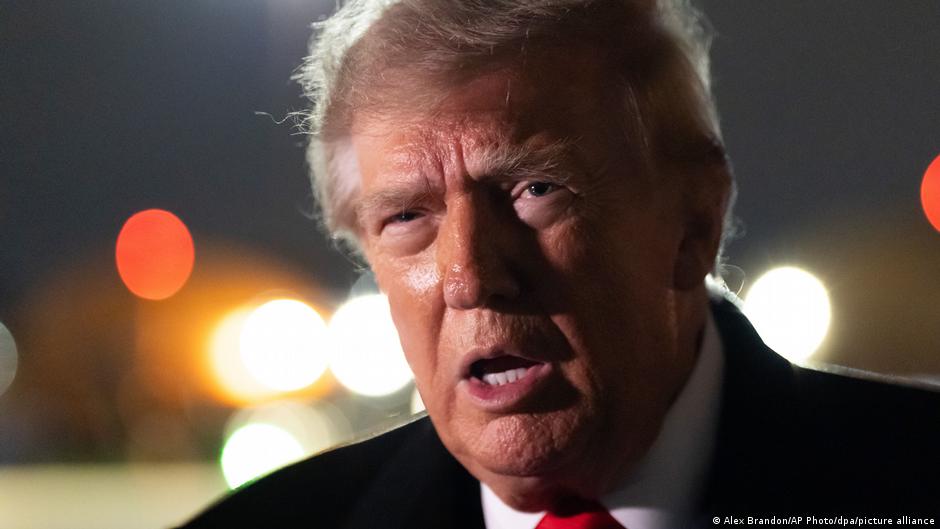
Investors remain aware that geopolitical risks in the region, particularly involving Iran’s influence and US foreign policy, could quickly alter market dynamics. The US President’s recent public statements affirming the continuation of negotiations provide some reassurance, yet market participants continue to price in volatility.
In conclusion, while the US-mediated ceasefire between Israel and Lebanon offers a measure of hope for reduced conflict and improved regional stability, capital markets are poised to react sensitively to forthcoming developments. For investors, cautious optimism mixed with vigilance remains the prudent stance as negotiations progress and underlying tensions persist.