G20 Invitation Puts Putin’s Ukraine Signals in Focus for Global Markets

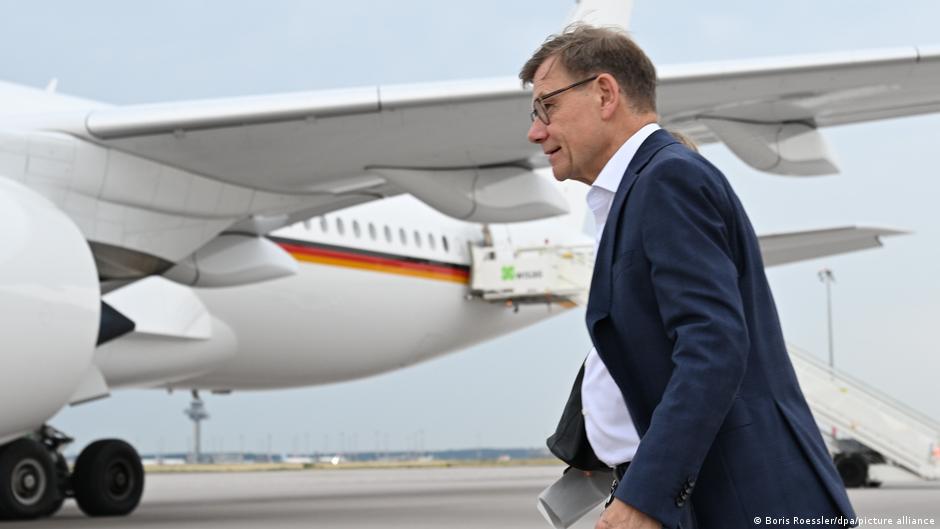
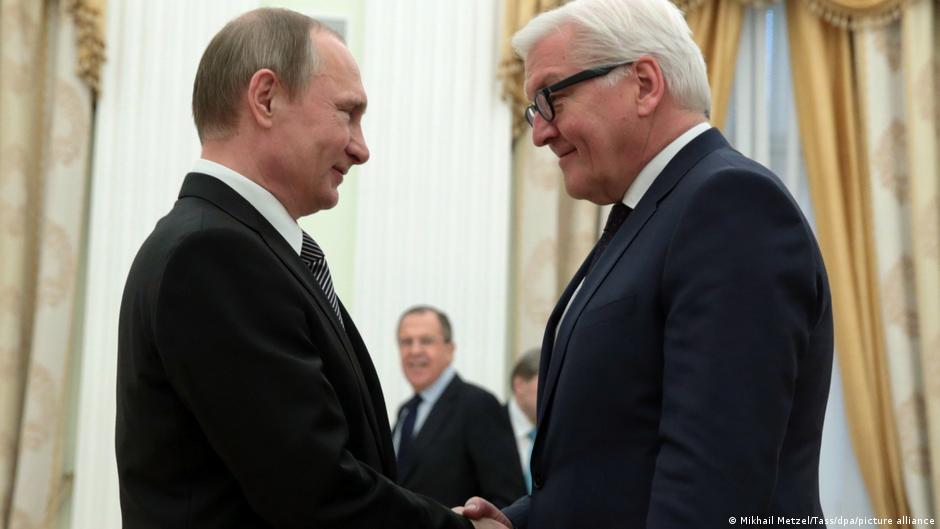
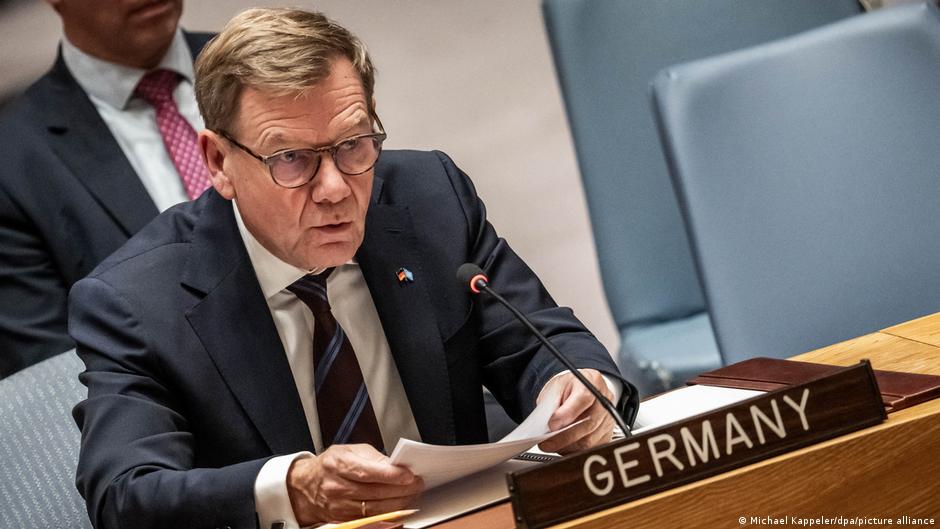
Germany says Putin’s possible G20 appearance would test Moscow’s readiness for Ukraine talks, with investors watching ceasefire signals.

Germany says Putin’s possible G20 appearance would test Moscow’s readiness for Ukraine talks, with investors watching ceasefire signals.

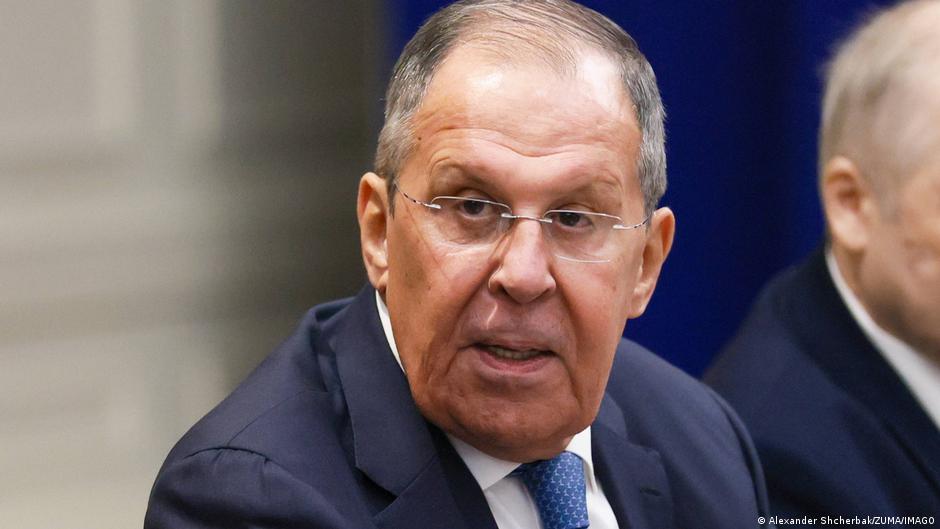
Lavrov said Russia will not pause military action for Ukraine talks, keeping war risk central for investors watching Europe, bonds and policy risk.

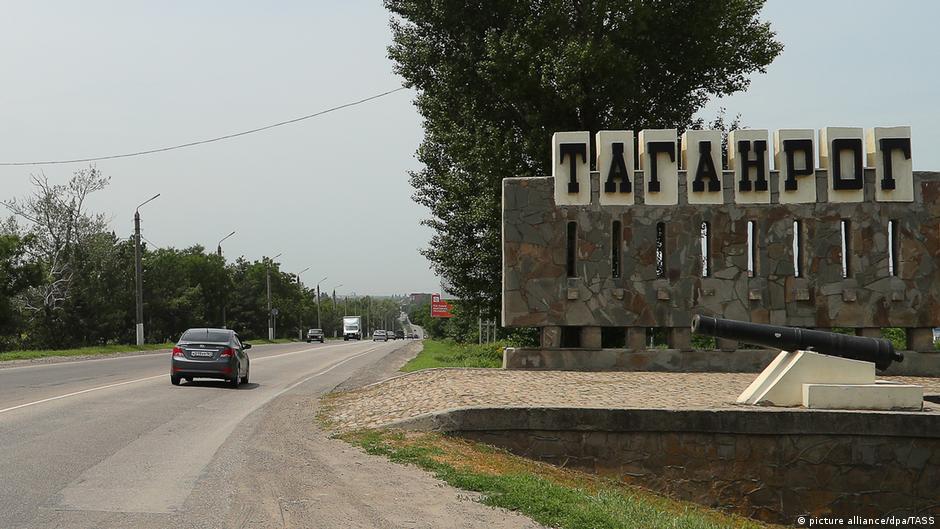
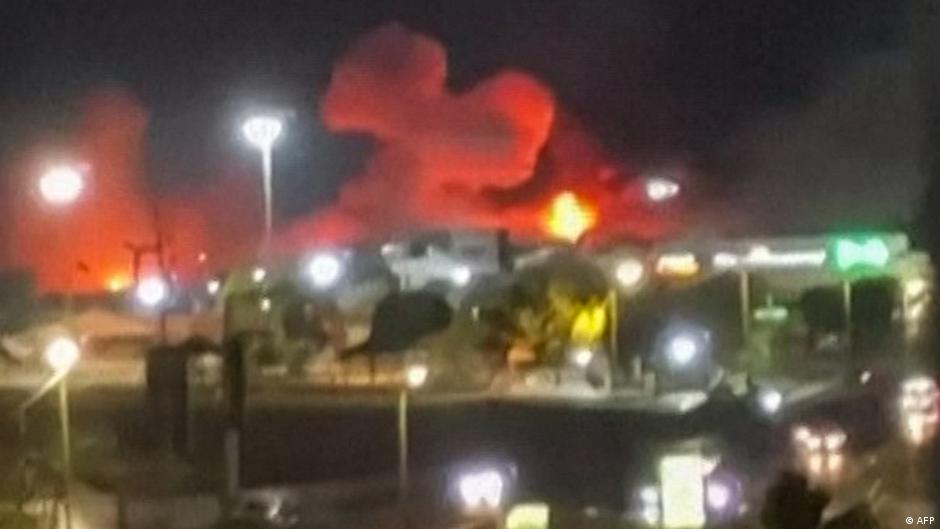
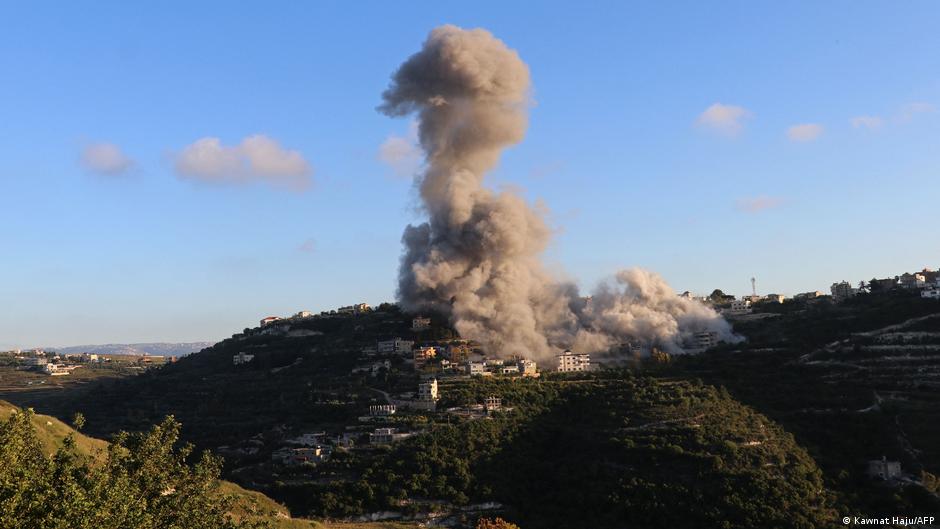
Strikes on the Syzran refinery and Taganrog facilities highlight continuing infrastructure risks for investors tracking Russian energy and industry.

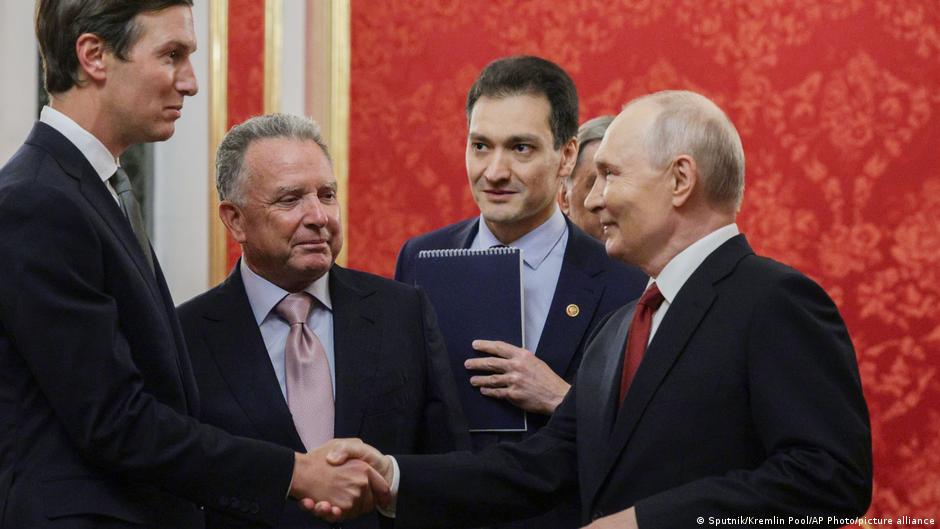
US envoys discussed concrete Ukraine peace plans with Putin and are heading to Kyiv, creating a new geopolitical risk event for markets.

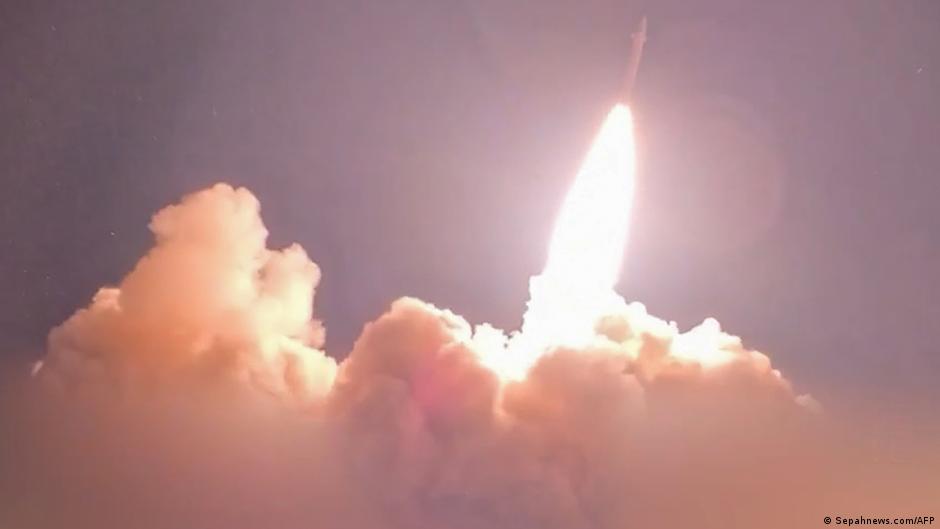
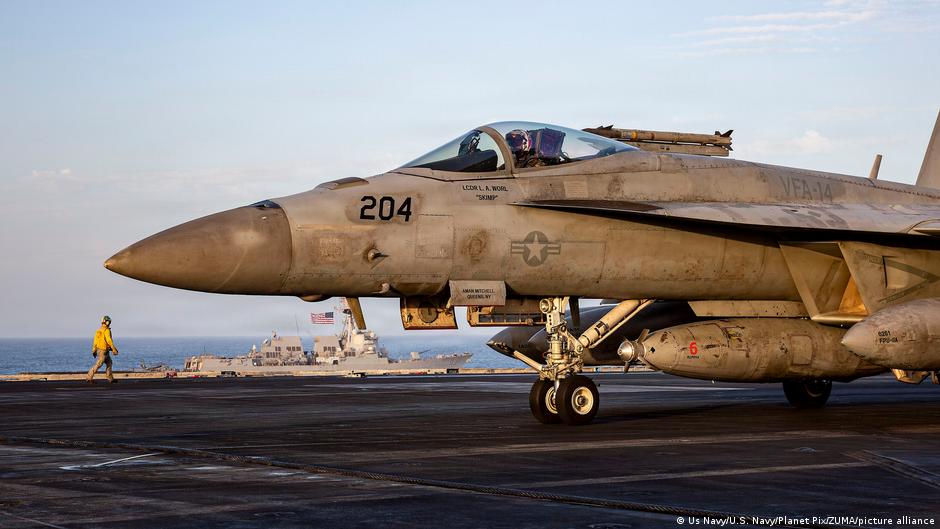
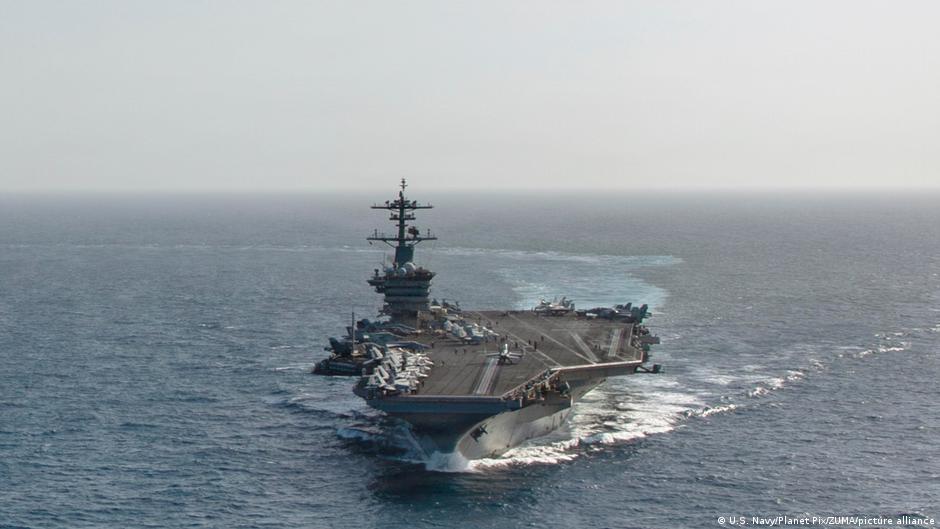
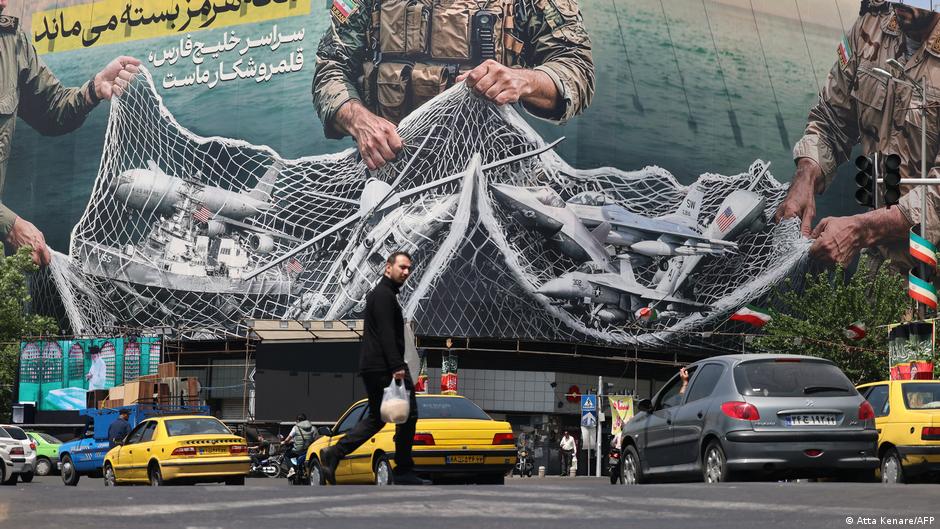
US forces intercepted ballistic missiles from Iran, heightening geopolitical risks that influence energy markets, equities, and bonds amid regional tension.

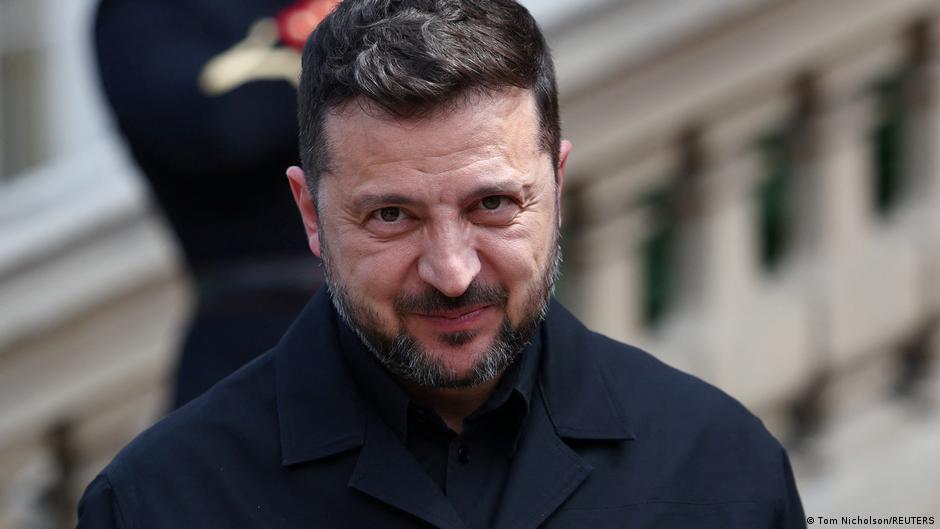
Ukrainian President Zelensky meets all 100 US Senators in Washington as the Senate votes on new sanctions against Russia, impacting global equities and bond markets amid geopolitical tensions.

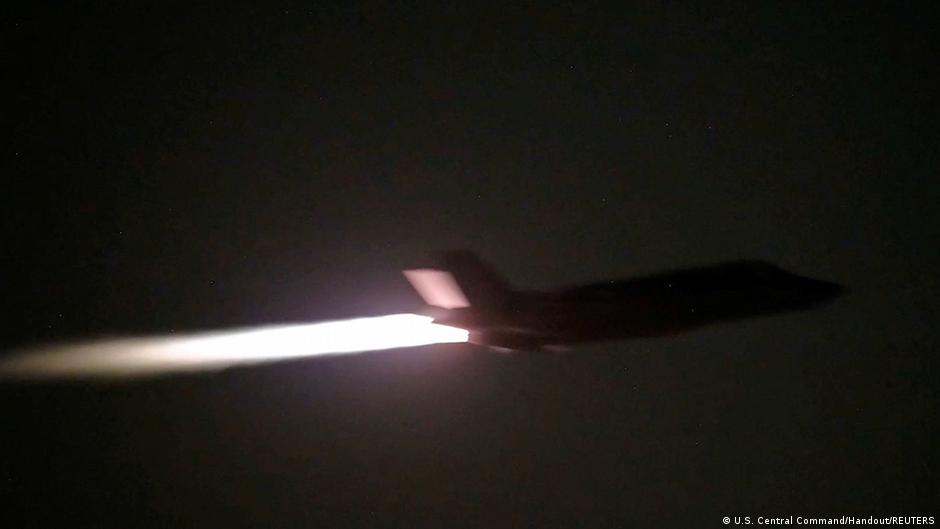
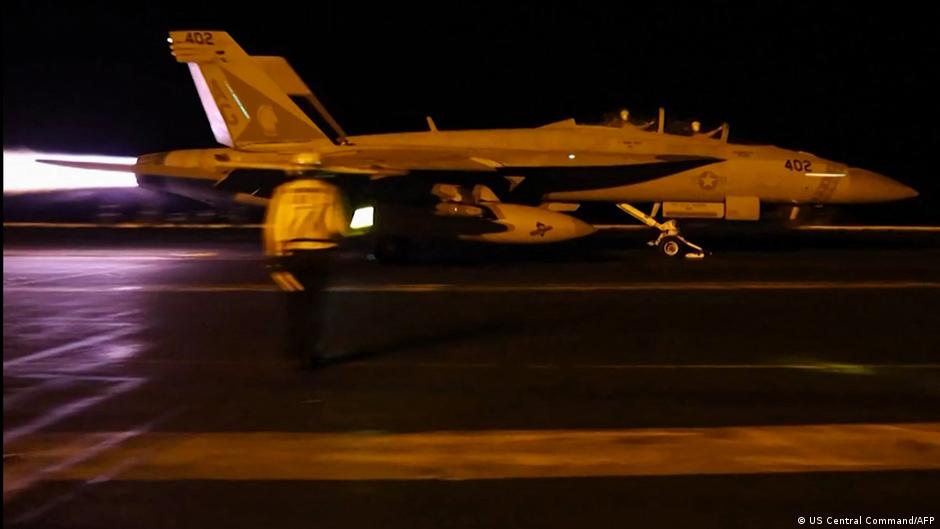
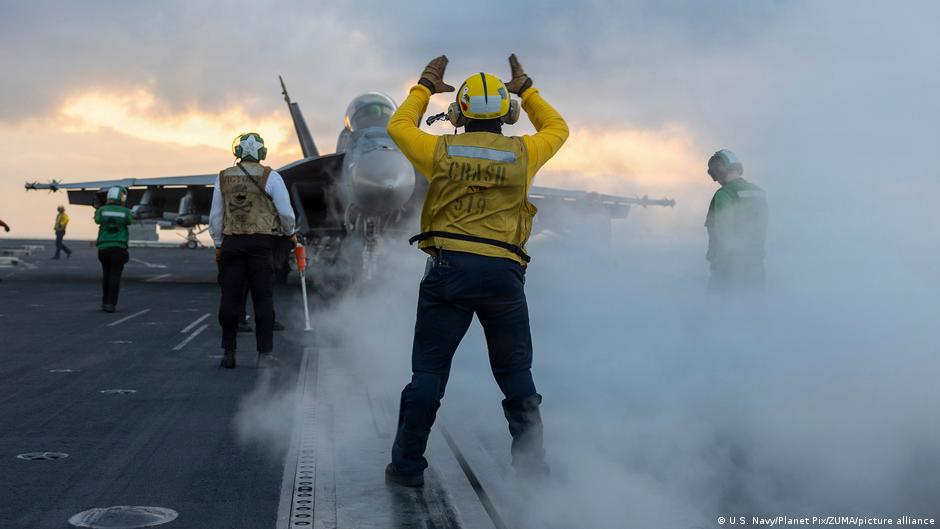
US forces conducted airstrikes on Iran for the 11th night amid escalating regional conflict, affecting energy supply routes and increasing market uncertainty for investors.

US military strikes against Iran enter tenth day, heightening risks for energy markets and global investors amid escalating Middle East tensions.

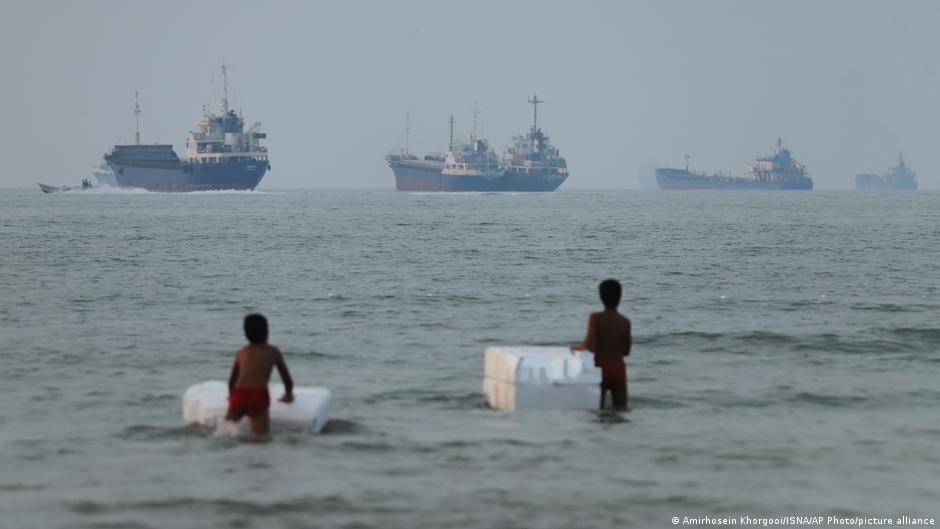
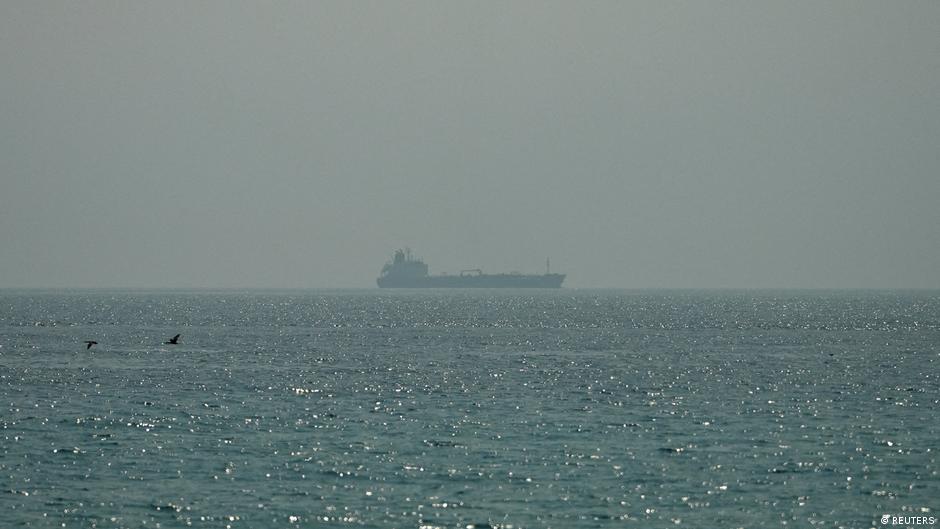
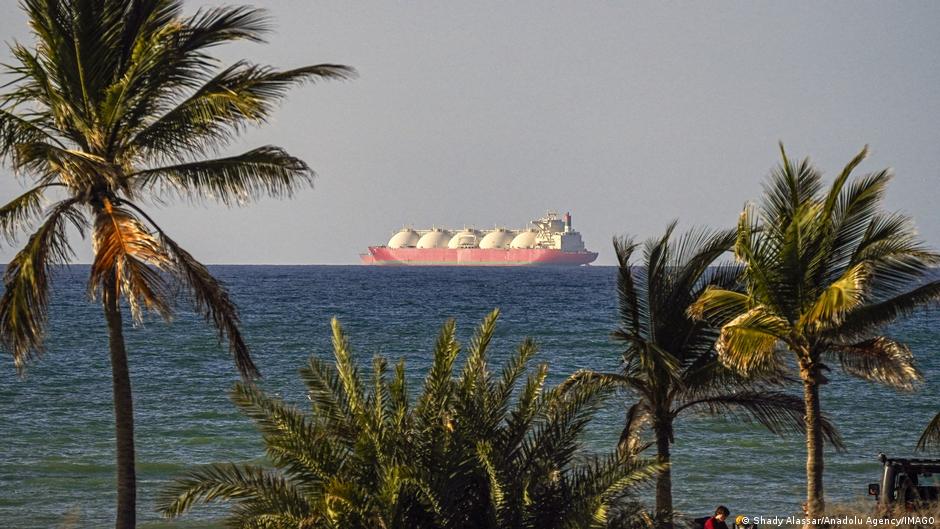
US and Iran military clashes near the Strait of Hormuz are disrupting oil shipping and increasing market uncertainty, affecting energy prices and investor risk sentiment worldwide.

US strikes on Iran near the Strait of Hormuz escalate tensions, impacting oil shipping routes and increasing risks for energy markets and investors globally.

June 2026 saw the highest civilian casualties in Ukraine since the conflict began, raising investor concerns over regional stability and impacting equity and bond markets.

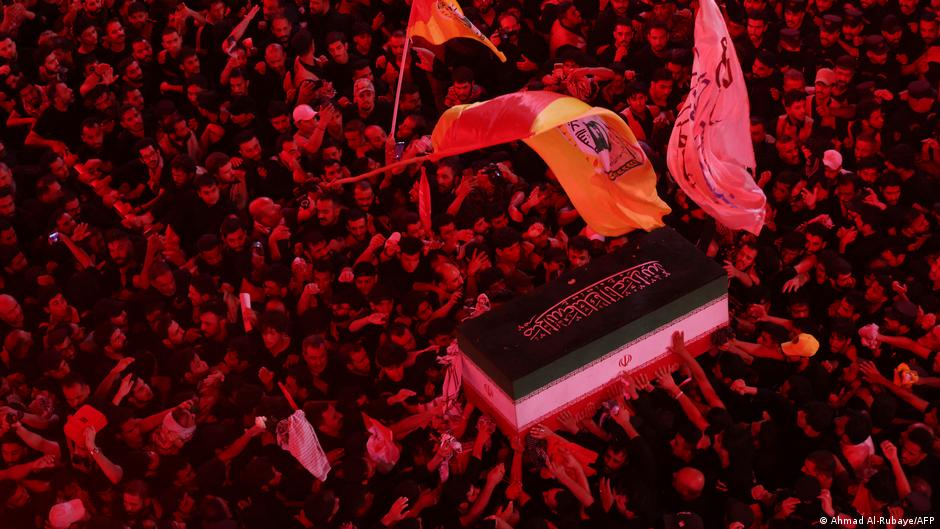
Iran’s mourning of Ayatollah Khamenei amid leadership uncertainty and renewed regional conflict raises geopolitical risks, impacting markets and investor confidence.

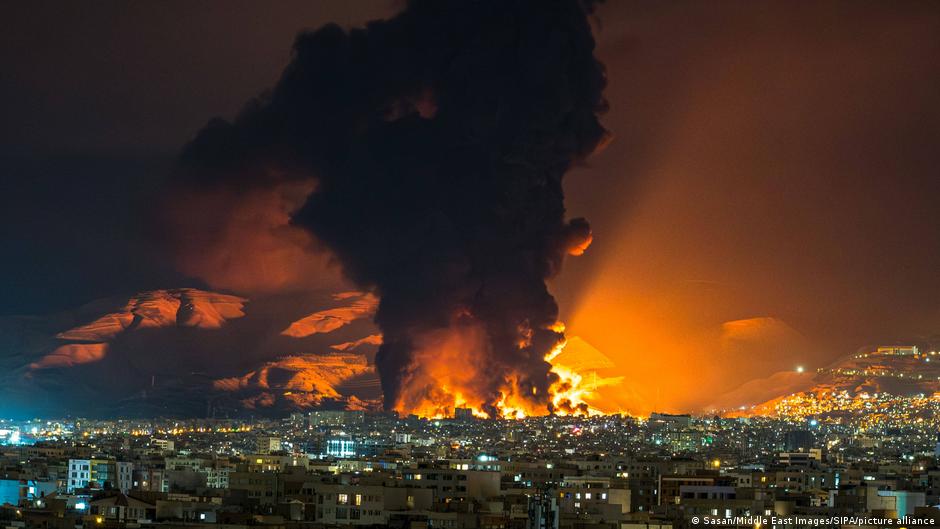
US military strikes on Iran escalate tensions, impacting oil supply routes and causing volatility in energy markets and investor sentiment.

US military strikes on Iran after attacks on tankers escalate Middle East tensions, triggering volatility in energy markets and impacting investor risk sentiment globally.

German and U.S. foreign ministers meet amid global economic challenges, reinforcing transatlantic ties and signaling potential shifts in NATO funding and geopolitical risk management.

The US and Iran agree on a temporary ceasefire until June 30 talks on Strait of Hormuz navigation, easing oil price volatility and reducing geopolitical risks for investors.

US military strikes on Iranian sites after drone attacks on oil tankers near Strait of Hormuz raise geopolitical risks, impacting energy markets and investor sentiment.

US and Iran exchanged military strikes after an Iranian drone attacked a merchant vessel in the Strait of Hormuz, causing oil prices to rise and increasing market volatility.

The US Senate's vote to end military actions against Iran raises geopolitical uncertainties impacting equities, bonds, and investor risk appetite.

US and Iran agree on a communication channel for the Strait of Hormuz, easing geopolitical risks and potentially stabilizing energy markets and investor sentiment.

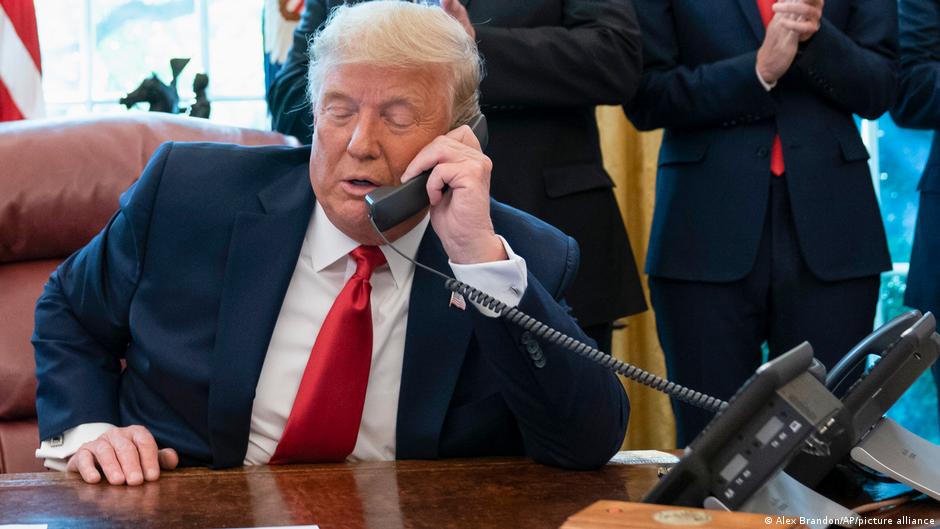
President Trump threatens a transit fee for ships passing the Strait of Hormuz if the US-Iran deal fails, raising oil market and investor uncertainty amid regional tensions.

US intelligence warns Israel may disrupt US-Iran deal, raising geopolitical risks that heighten market volatility and affect investor strategies in equities and bonds.

US envoy Whitcraft’s arrival in Switzerland for nuclear talks with Iran introduces fresh geopolitical risks that could impact equities, bonds, and investor sentiment.

The US has lifted its blockade of the Strait of Hormuz, reopening vital oil transit routes and initiating negotiations with Iran, impacting global energy markets and investor confidence.

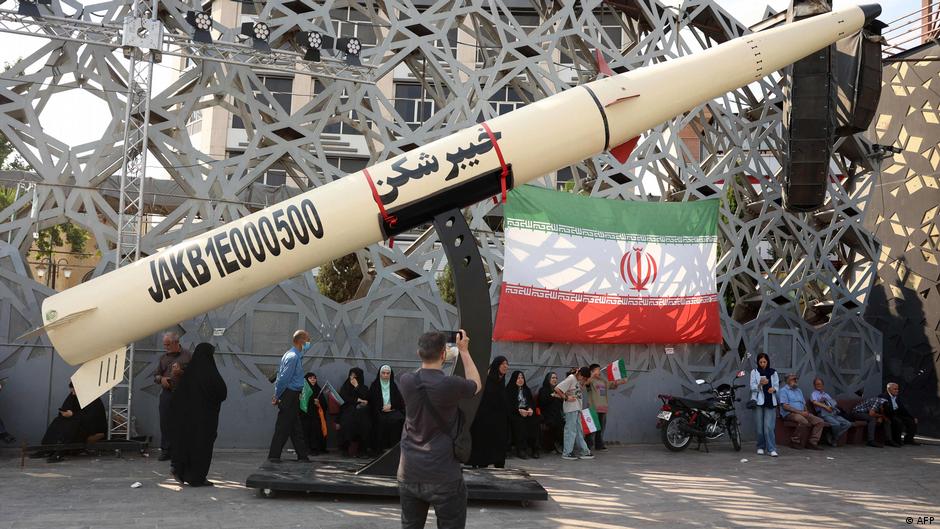
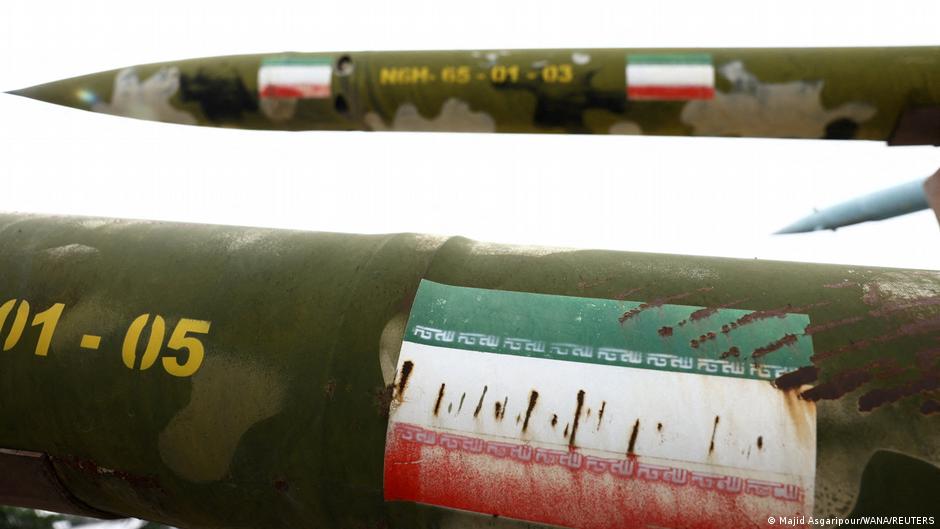
Iran has replenished about 75% of its missile arsenal, likely aided by new Russian missile deliveries, fueling geopolitical risks that affect defense equities and energy markets.

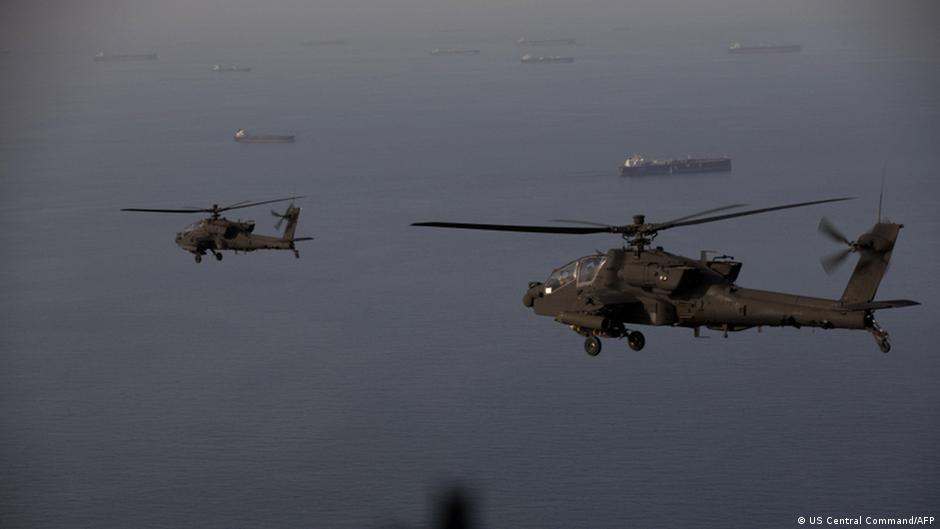
US military strikes on Iranian targets following the downing of an Apache helicopter have intensified regional tensions, impacting energy prices and investor sentiment.

US forces down Iranian drones threatening the Strait of Hormuz, escalating regional risks that impact global energy markets and investor sentiment.

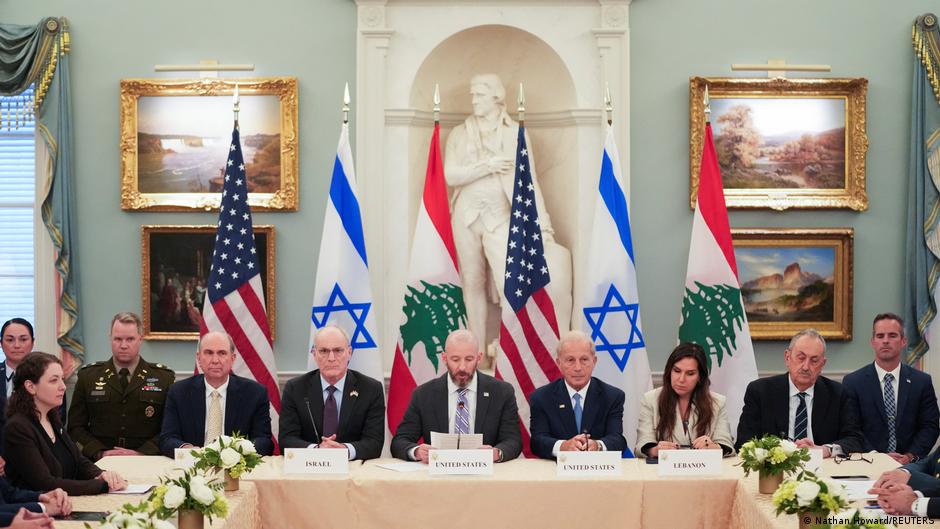
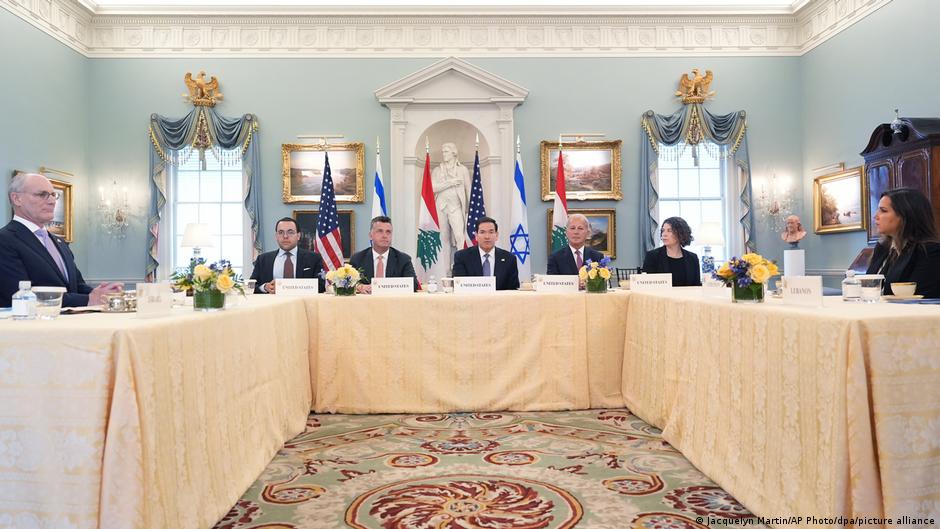
The US-brokered ceasefire between Israel and Lebanon prompts cautious optimism in equities and bond markets amid ongoing geopolitical risks in the Middle East.

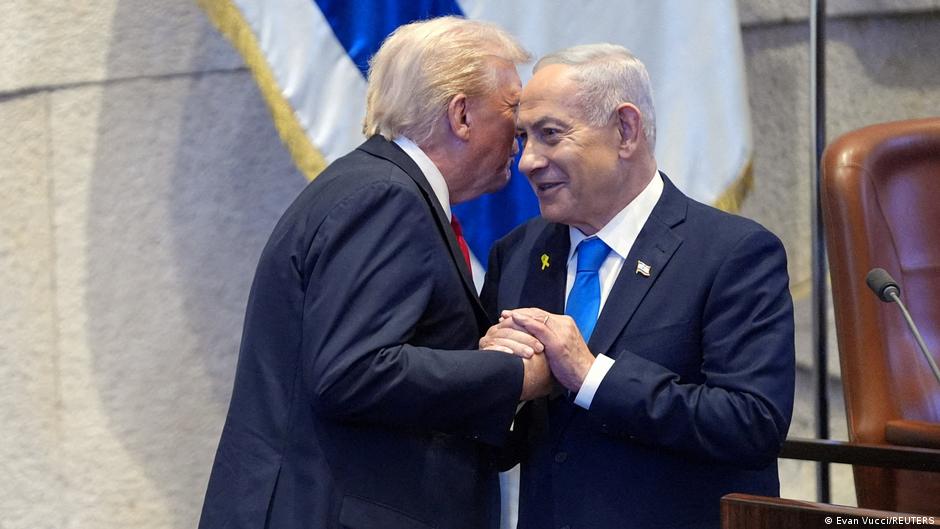
Tensions rise after Israeli strikes in Lebanon and US President Trump’s harsh criticism of Netanyahu, heightening geopolitical risks impacting equities and bonds.

US defensive strikes on Iranian missile sites and vessels raise geopolitical risks, impacting energy and defense stocks, bond markets, and investor sentiment amid a fragile ceasefire.

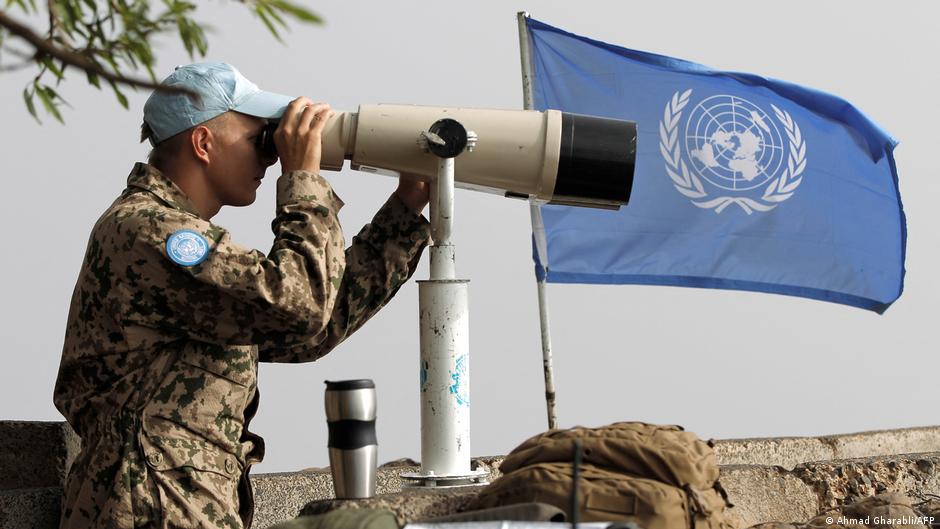
UN peacekeeping forces have dropped to a 25-year low due to funding and geopolitical challenges, raising concerns about increased risks in global capital markets.

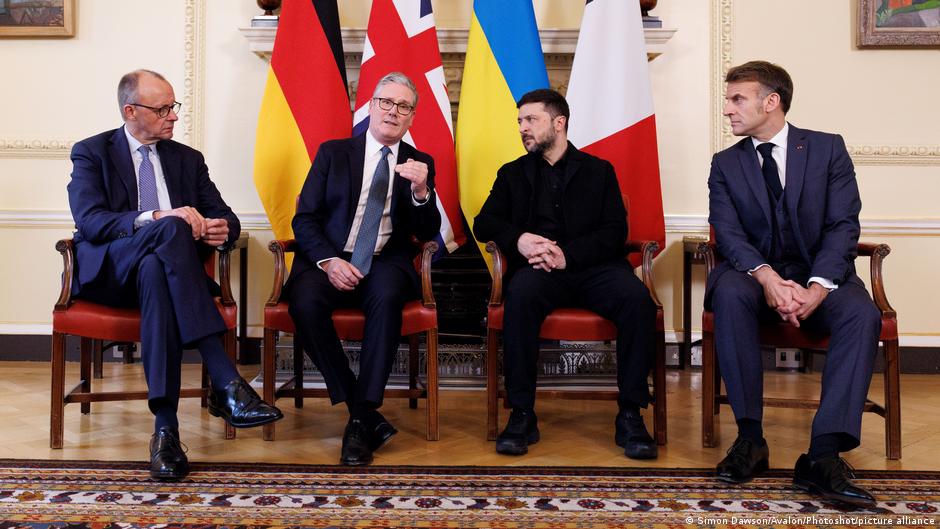
European leaders and Ukraine's president convened to discuss restarting peace talks, a move that may influence capital markets by affecting regional risk and investor confidence.

UAE’s undisclosed strikes on Iran raise regional tensions, impacting Gulf equities, bonds, and investor confidence amid ongoing conflict.

Germany considers President Steinmeier to represent the EU in peace talks with Russia, while markets remain cautious amid uncertainty over Russia’s true intentions.

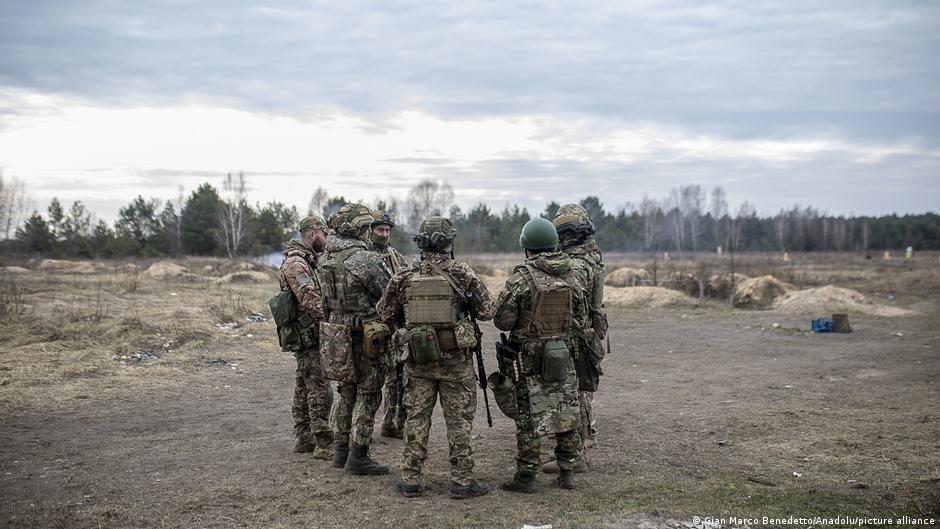
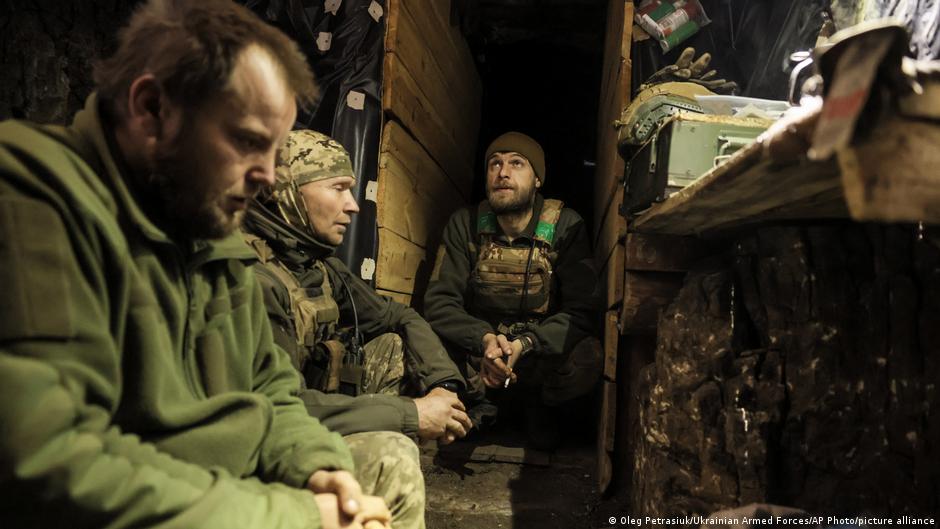
Temporary ceasefire between Russia and Ukraine leads to troop rotations amid ongoing attacks, creating uncertainty for regional markets and investors.

Ukraine's unilateral ceasefire faced immediate Russian attacks, triggering volatility in equity and bond markets amid ongoing conflict-related uncertainties.

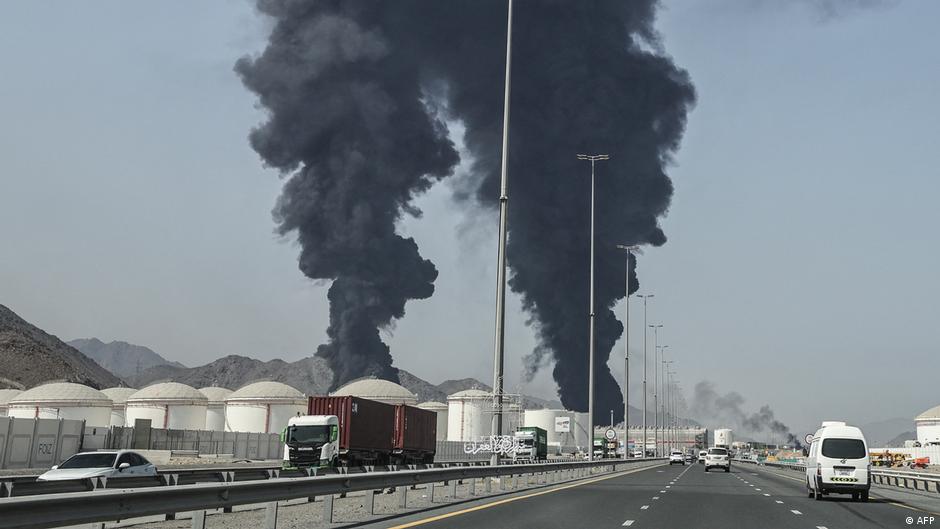
Iran's missile and drone attacks on the UAE have escalated regional tensions, triggering volatility in energy markets and raising investor concerns over Gulf geopolitical risks.

Iran has submitted a 14-point peace plan to the US demanding troop withdrawals and sanctions relief amid ongoing Middle East conflict, sparking cautious market reactions.

Italy and Germany call for international law adherence after Israel stops Gaza aid flotilla, raising geopolitical risks that influence equity and bond markets.

Israeli forces detained Global Sumud Flotilla vessels carrying aid to Gaza, intensifying the naval blockade and impacting regional capital markets amid ongoing geopolitical tensions.

US President Trump halts US envoy travel to Pakistan for Iran talks, citing US strength and travel inefficiencies, impacting market stability and energy prices.

The Israel-Lebanon ceasefire extension signals potential regional stability, positively impacting equity markets and bond investors amid ongoing diplomatic efforts.

US forces seized an Iranian cargo ship in the Gulf of Oman, prompting Tehran to accuse Washington of ceasefire violations, heightening geopolitical risks impacting energy markets and investor sentiment.

President Trump rejects NATO's offer to secure the Strait of Hormuz, calling the alliance ineffective, while Europe plans a multinational mission, raising energy market uncertainties.

Germany continued arms exports to Israel during the recent Middle East conflict, impacting defense equities and investor sentiment amid partial embargo periods.