UN Peacekeeping Forces Hit 25-Year Low Amid Funding and Geopolitical Strains
Declining UN peacekeeping personnel and stalled missions raise concerns for international conflict resolution and investor risk perception in global markets.
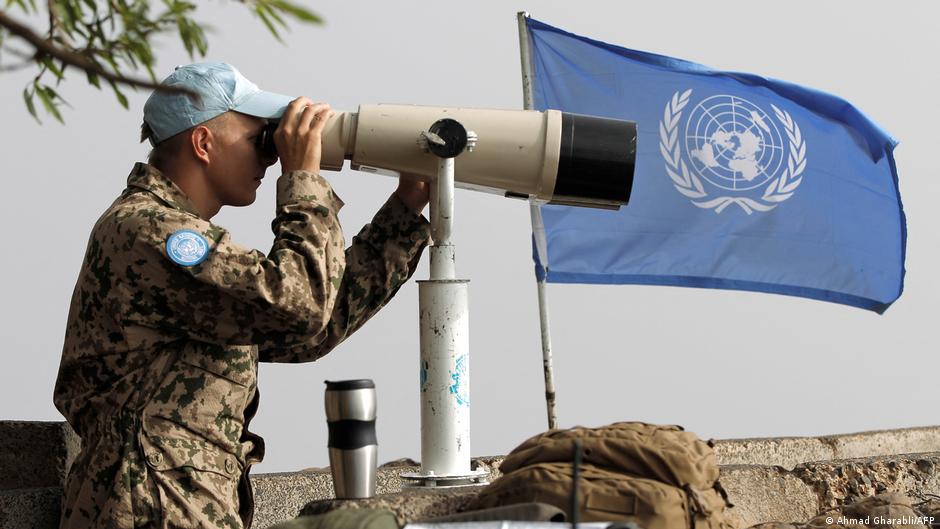
The number of United Nations peacekeepers involved in global operations has dropped to its lowest point since 2000, reflecting heightened geopolitical tensions and persistent funding shortfalls. According to a recent report by the Stockholm International Peace Research Institute (SIPRI), the total international personnel deployed in peacekeeping missions at the end of 2025 stood at 78,633, marking a 49% decline from 2016 and the most significant reduction in a quarter century.
Implications for Capital Markets and Investors
This steep reduction in UN peacekeeping capacity comes amid increasing geopolitical volatility, which in turn affects global capital markets. Investors are closely monitoring these developments as decreased peacekeeping presence may signal higher risks in conflict-prone regions, potentially disrupting supply chains, commodity flows, and regional stability.
“If this trend continues, we will witness a dramatic weakening of multilateral conflict resolution efforts, elevating geopolitical risks that could ripple through global markets,” noted SIPRI’s director of peace operations.
Peacekeeping missions are often viewed as stabilizing forces in fragile regions, and their contraction can contribute to heightened uncertainty and risk premiums in equities and bonds linked to emerging and frontier markets. The SIPRI report highlights that funding constraints led to a $2 billion shortfall in UN peacekeeping budgets for 2024-2025, corresponding to 35% of their allocated funding, forcing significant personnel cuts.
The reduction of peacekeeping personnel by 17% in 2025 alone—the largest annual decline observed—reflects both financial and political challenges. Key donors delayed contributions or withheld full payments, while geopolitical rivalries complicated mission renewals. For example, the UN mission in Nagorno-Karabakh was among four that were not extended this year.
Regionally, most peacekeeping efforts remain concentrated in Sub-Saharan Africa, which hosts nearly three-quarters (73%) of deployed personnel across five operations. Other regions such as the Middle East, Europe, and the Americas have seen fewer missions and resources, underscoring shifting global priorities.
Moreover, political dynamics within the UN Security Council, including veto threats from permanent members, have hindered the renewal of mandates. In 2025, the US pushed to terminate the UN Interim Force in Lebanon (UNIFIL), citing ceasefire violations, resulting in only a last-minute extension through the end of 2026.
Despite the setbacks faced by the UN, regional organizations such as the African Union and ECOWAS have launched independent peacekeeping operations. However, these bodies similarly grapple with funding shortages and decision-making delays, further complicating conflict resolution efforts.
Market analysts suggest that the erosion of UN-led peacekeeping could lead to increased geopolitical risk premiums, especially in fixed income markets within affected regions. Higher risk perceptions might translate into greater volatility for sovereign and corporate bonds, thereby influencing investor portfolio allocations.
Nonetheless, SIPRI reports continued broad international support for peacekeeping missions, as evidenced by participation from over 130 UN member states at the 2025 Peacekeeping Ministerial in Berlin. Experts emphasize the necessity of predictable financing and political consensus to sustain effective multilateral peacekeeping, which remains crucial for global stability and investor confidence.
In summary, the substantial decline in UN peacekeeping personnel amid geopolitical and financial headwinds signals increased uncertainty in fragile states. For capital markets, this translates into elevated risk factors that investors must consider when assessing exposure to emerging and conflict-affected regions.