US and Iran Agree on Communication Channel for Strait of Hormuz Amid Market Uncertainty
Diplomatic progress between US and Iran on Strait of Hormuz communication eases geopolitical risks, influencing capital markets and investor sentiment.

The United States and Iran have reached a significant diplomatic milestone by agreeing to establish a direct communication channel aimed at preventing incidents in the strategic Strait of Hormuz, a critical chokepoint for global oil shipments. This development follows a high-level committee's endorsement of a "roadmap" to secure final agreements within 60 days, announced after recent negotiations in Switzerland.
Market Implications of the US-Iran Communication Agreement
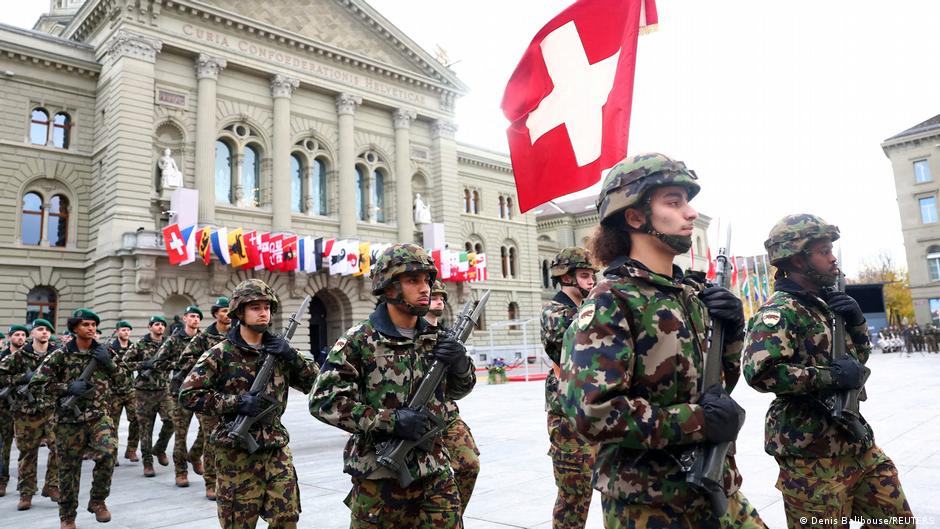
On June 22, the Qatari Ministry of Foreign Affairs, serving as mediator in the talks held in the Swiss resort of Bürgenstock, announced the creation of a communication line intended to prevent misunderstandings and ensure the safe transit of commercial vessels through the Strait of Hormuz. This strait accounts for roughly 20% of the world’s oil trade, making any disruption a significant risk factor for global energy markets.
The establishment of such a communication channel is perceived by market participants as a step towards de-escalation of military tensions in the region, which have historically caused spikes in oil prices and volatility across equities and bond markets. Investors are closely monitoring the situation, as a reduction in geopolitical risk could stabilize energy prices and calm fluctuations within risk-sensitive assets.
“The summit on Lake Lucerne proceeded in a positive and constructive atmosphere, achieving encouraging progress,” stated the Qatari Foreign Ministry, underscoring the diplomatic momentum.
In addition to the communication channel, the US and Iran agreed to form a dispute resolution group comprising representatives from Iran, the US, and Lebanon, with mediation support. This group will focus on halting military operations in Lebanon, as outlined in the Memorandum of Understanding. Technical negotiations on various issues are expected to continue through the week at the Bürgenstock resort near Lucerne.
From a capital markets perspective, the timing of this diplomatic progress comes after Tehran announced a temporary closure of the Strait of Hormuz earlier in June, citing ongoing military actions by Israel in Lebanon and accusing the US of failing to honor ceasefire commitments. Such threats had previously jolted oil prices and increased risk premiums in bond markets globally.
Following the June 15 signing of a framework agreement by US President Donald Trump and Iranian President Masoud Pezeshkian—extending the April ceasefire and setting a 60-day timeline for further talks—markets reacted cautiously optimistic. The reopening and secured passage of the Strait of Hormuz suggest lower risk of supply disruption, potentially easing upward pressure on crude prices and reducing volatility in energy-related equities.
However, investors remain vigilant as the roadmap to a comprehensive agreement involves complex issues including nuclear concerns, sanctions relief, and regional security arrangements. The high-level committee overseeing the negotiations will receive regular reports from chief negotiators who lead working groups on these topics, ensuring ongoing scrutiny and potential market-moving developments.
Capital market participants expect that successful implementation of the agreement could translate into improved investor confidence, particularly for energy exporters and industries sensitive to geopolitical risk. Conversely, failure to sustain diplomatic progress could revive uncertainty, affecting sovereign and corporate bond spreads as well as stock market indices in affected regions.
Overall, while the diplomatic breakthrough marks a positive step, the next 60 days will be critical in determining the durability of peace efforts and their ultimate impact on global capital markets.