Lavrov Rules Out Ukraine Talks Pause as Markets Weigh War Risk
Russia said it would not halt military operations for negotiations, keeping geopolitical risk in focus for investors tracking Europe and emerging markets.
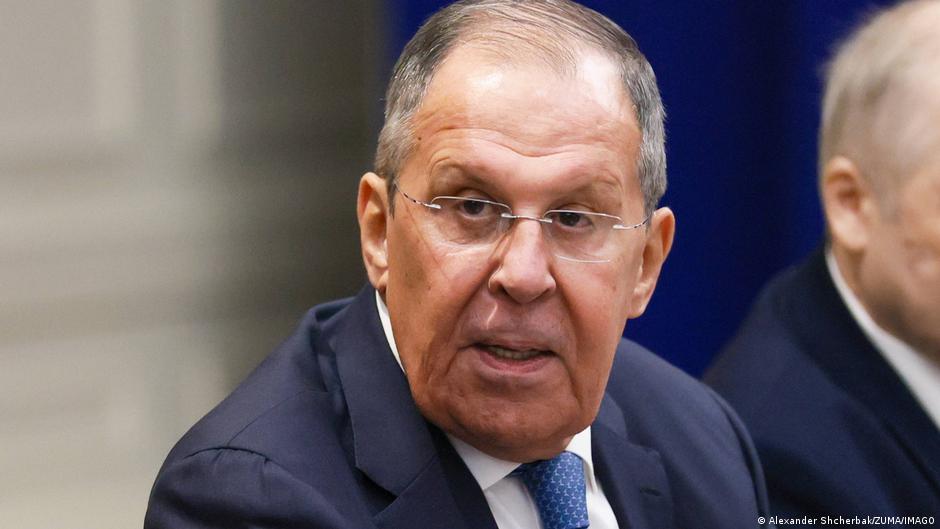
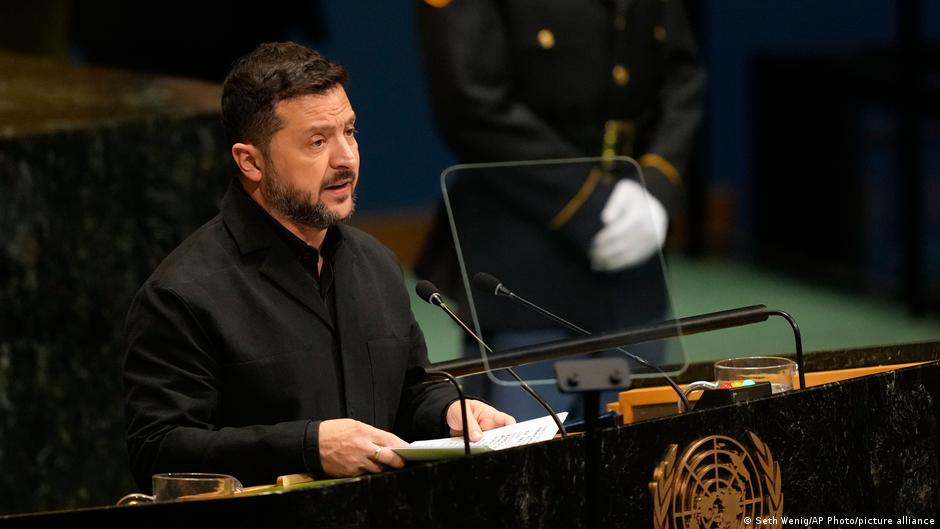
Russia’s foreign minister, Sergei Lavrov, said Moscow would not make a “pause” in any format for negotiations with Ukraine, a position that keeps the war’s geopolitical risk firmly on the radar for capital markets. The remarks came in New York, where Lavrov met U.S. Secretary of State Marco Rubio on the sidelines of the United Nations General Assembly, while Russia continued strikes on Kyiv.
For investors, the message is less about an immediate diplomatic breakthrough and more about the persistence of uncertainty. A refusal to pause military activity during talks signals that any pathway toward a ceasefire remains difficult, even as Washington says it is ready to play a constructive role. That combination leaves markets watching for signs of escalation, sanctions risk, defense spending pressure in Europe and potential knock-on effects across currencies, sovereign debt and energy-linked assets.
Lavrov made the statement on Wednesday, September 23, at a meeting of the UN Security Council in New York. According to the Russian Foreign Ministry, he argued that Europe wanted a pause for what he described as a straightforward reason: to obtain breathing space and replenish the depleted military arsenals of Kyiv’s government. Lavrov also said Russia was ready for negotiations aimed at achieving what Moscow calls a “sustainable just peace.”
Russia will not make a pause for negotiations with Ukraine in any format, Lavrov said, according to the Russian Foreign Ministry.
Diplomacy Without a Ceasefire
The timing matters for markets because diplomatic engagement is continuing, but without any indication that fighting will stop while talks proceed. Before his UN Security Council appearance, Lavrov met Rubio in New York. The talks lasted about an hour, according to Interfax. It was the fifth meeting between the foreign ministers of the two countries since 2025.
Rubio, speaking at the UN General Assembly in New York, again said Washington was prepared to play a constructive role in achieving a ceasefire. That keeps the United States involved as a possible diplomatic channel, but Lavrov’s comments undercut expectations that negotiations, by themselves, would bring a near-term halt to hostilities.
For equity investors, that means companies with exposure to Europe, defense supply chains, energy costs or sanctions-sensitive trade remain vulnerable to headline risk. In fixed income, a prolonged conflict can reinforce demand for safer assets during bouts of market stress, while also complicating fiscal assumptions in countries facing higher security spending. The article does not provide market prices or moves, but the political signal is clear: diplomacy is active, yet the military backdrop remains unresolved.
Investor Focus Turns to Policy Risk
The most immediate market question is whether continued strikes and the absence of a negotiating pause could increase pressure for new policy measures. Investors tend to watch three channels closely: sanctions, defense budgets and energy security. Any shift in those areas can affect corporate earnings expectations, government borrowing needs and investor appetite for regional risk.
In Europe, the conflict has already shaped political debate over military readiness and support for Ukraine. Lavrov’s claim that European governments want time to replenish Kyiv’s military arsenals places that issue at the center of the diplomatic narrative. For markets, the key is whether military and fiscal commitments expand further, and how bond investors price those commitments against existing budget pressures.
Emerging-market investors are also likely to treat the statement as a reminder that Russia-related risk remains event-driven. Negotiations can reduce uncertainty only if they change battlefield dynamics or produce a credible ceasefire framework. In this case, Moscow is saying it is open to talks while rejecting a pause in operations. That creates a dual track: dialogue continues, but the conflict remains active.
Rubio’s comments add another layer. He said earlier that the United States had invited Russian President Vladimir Putin to attend the G20 summit scheduled for December in Miami. Rubio said that solving problems requires meeting people with whom there are disagreements or certain frictions, and that the United States had therefore invited Putin to the summit.
Rubio also said the Miami summit could give Putin an opportunity to meet U.S. President Donald Trump and other world leaders. “We hope he accepts this invitation,” Rubio added. For investors, the prospect of direct contact at a major international summit may keep some diplomatic optionality alive, even if the current message from Moscow points away from a ceasefire pause.
What Markets Are Watching Now
The capital markets takeaway is that investors should separate diplomatic activity from de-escalation. The Lavrov-Rubio meeting, the repeated U.S. statement of willingness to help secure a ceasefire and the G20 invitation all suggest channels of communication remain open. But Russia’s refusal to stop military action for negotiations means markets have little basis, from these remarks alone, to price in a swift reduction in war risk.
That matters most for investors with short-term exposure to European equities, defense contractors, energy-sensitive industries, sovereign bonds and currencies vulnerable to geopolitical stress. Without a ceasefire, headline risk can remain abrupt and asymmetric: one meeting can raise hopes, while one strike or policy announcement can reverse sentiment.
The source account does not report any specific market reaction, bond yield movement, equity index change or currency move. The investor relevance instead lies in the signal from officials: Washington is offering a role in ceasefire efforts, while Moscow says talks will not come with a pause. Until those positions shift, capital markets are likely to continue treating the war as a live geopolitical risk rather than a fading background issue.