Zelenskyy UN Speech Puts Russia War Funding Back in Market Focus
The Ukrainian president’s remarks at the UN highlighted energy infrastructure, oil revenues and battlefield attrition as investors assess geopolitical risk.
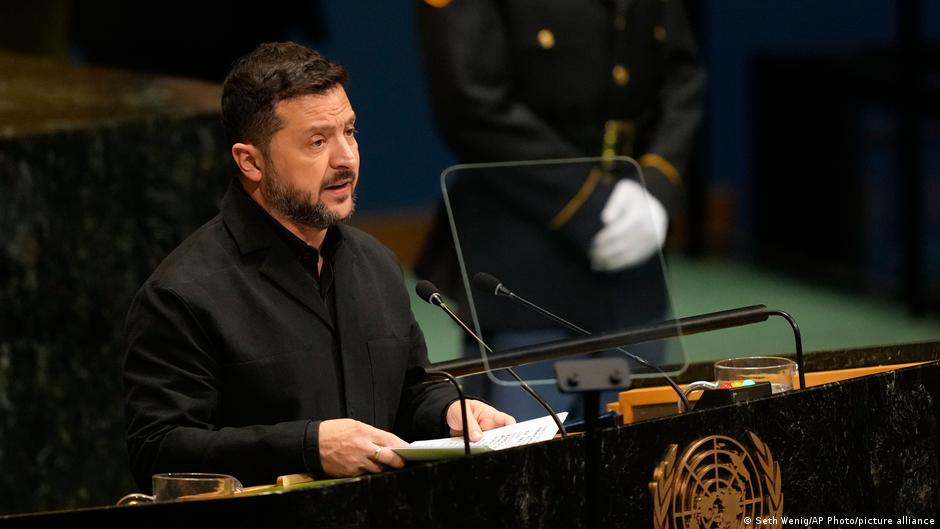
Ukrainian President Volodymyr Zelenskyy used his address to the United Nations General Assembly in New York on Wednesday, September 23, to frame Russia’s war as a widening source of instability with direct implications for energy markets, sovereign risk and investor sentiment.
Calling Russian President Vladimir Putin the “patient zero” from whom the idea of war spreads around the world, Zelenskyy said that wherever that idea travels, it brings “only pain, instability, new risks and, of course, new crises.” His remarks came as markets continue to weigh the economic consequences of the war in Ukraine, including pressure on energy infrastructure, the durability of Russian revenues and the risk of escalation into the winter.
“He must not be allowed to act and must not be given the opportunity to spread this evil further,” Zelenskyy said, referring to Putin.
For capital markets, the speech placed renewed emphasis on the financial underpinnings of the conflict. Zelenskyy argued that Russia’s oil industry, which he described as a point of national pride, is for the first time operating “on its last legs.” He called that a humiliating defeat for a country that holds a permanent seat on the UN Security Council and has long taken pride in its oil exports.
Zelenskyy stressed, however, that Ukraine’s target is not oil itself, nor gasoline, diesel fuel, plants or ports as standalone assets. The target, he said, is Russia’s ability to finance and prolong the war. That distinction matters for investors because it ties Ukraine’s military and political messaging directly to Russia’s fiscal capacity, export income and the resilience of energy-linked state revenues.
Energy Risk Remains Central to the Investment Case
The comments are likely to reinforce the view that energy infrastructure will remain one of the most important channels through which the war affects markets. Zelenskyy warned that if Russia continues to attack Ukraine’s energy system and heating infrastructure, Kyiv will try to ensure that Russia’s “General Frost” changes sides this winter, an apparent reference to the possibility of retaliatory strikes.
That warning lands in a market environment where investors remain sensitive to disruptions in energy supply, refinery operations, shipping capacity and insurance costs tied to the Black Sea region and Russian exports. While Zelenskyy did not present new market data, his remarks underscored that energy assets and energy revenue remain central to the strategic contest.
For equity investors, the immediate relevance is concentrated in energy producers, refiners, utilities, defense companies and firms with exposure to European industrial demand. For bond investors, the speech adds to the geopolitical risk premium surrounding Ukraine, Russia and countries exposed to imported energy costs. Any intensification of attacks on power systems or fuel infrastructure could affect inflation expectations, fiscal spending needs and central bank assumptions in Europe.
Zelenskyy also cited Russian battlefield losses, saying that from January through August, Russia’s armed forces lost 248,964 people on the battlefield in Ukraine. He said Putin is paying with 248 people for every kilometer and asked whether anyone still considers him rational. The Ukrainian president added that citizens of 47 other countries are fighting on the side of Russia’s army and are also dying on the battlefield.
Those figures, presented by Zelenskyy at the UN, are part of a broader message aimed at political leaders and financial decision-makers: the war is not a contained regional event, but a persistent source of economic and security risk. Continued attrition may influence defense spending, labor force assumptions, reconstruction planning and the credit outlook for countries supporting Ukraine.
AI, Escalation and the Cost of Delay
Zelenskyy also warned that as early as next year there is a real possibility that decisions on the battlefield could begin to be made by artificial intelligence, and not only by humans. “We need peace before we reach that point,” he said.
For investors, that warning broadens the discussion beyond conventional military risk. The use of artificial intelligence in battlefield decision-making would add a new layer of uncertainty to conflict modeling, defense procurement and regulatory debates over autonomous systems. It may also strengthen the long-term investment case for defense technology, cybersecurity and dual-use software, while increasing policy scrutiny of companies operating in those areas.
The intensity of the conflict remains high. According to an analysis by AFP, the first 18 days of September saw more Russian strikes than any full month since the beginning of the war in Ukraine, with the exception of March 2022. That finding supports the view that the conflict has entered another period of acute pressure rather than moving toward a near-term pause.
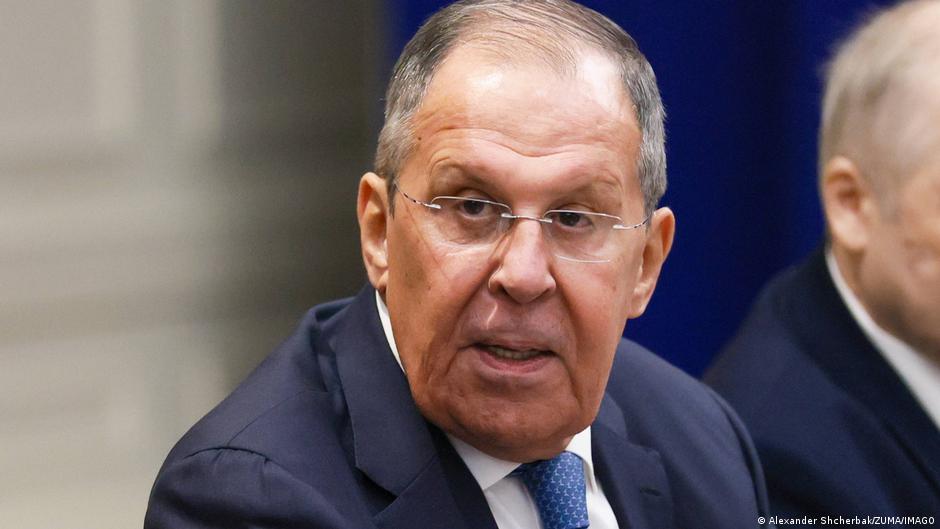
At the same time, Russian Foreign Minister Sergei Lavrov told the UN Security Council that there would be no “break” in hostilities. That statement, paired with Zelenskyy’s warnings, leaves markets with little reason to price in a quick de-escalation.
The near-term investment takeaway is that geopolitical risk linked to Ukraine remains active across asset classes. Equities tied to energy security and defense may continue to react to escalation signals, while European bonds and currencies remain exposed to any renewed pressure on winter energy supply and fiscal support programs. Investors are also likely to monitor whether attacks on infrastructure affect oil products, shipping routes or broader expectations for inflation.
Zelenskyy’s address did not offer a new peace framework or a timetable for negotiations. Instead, it sought to sharpen the financial logic of Ukraine’s position: limiting Russia’s ability to fund the war is central to ending it. For markets, that means the war’s economic transmission channels remain as important as the battlefield itself.