Russian-Flagged Ship Registry Expands as Sanctions Pressure Shadow Fleet
A CREA analysis points to a widening compliance squeeze in oil and LNG shipping, with implications for energy flows, risk pricing and investors.
Russia’s ship registry has expanded sharply as sanctions pressure forces vessels linked to the country’s oil and gas trade to choose between higher detention risk and the relative protection of the Russian flag, according to an analysis by the Centre for Research on Energy and Clean Air.
From January 2025 to June 2026, the number of vessels sailing under the Russian flag grew by 36%, CREA said in an analysis published Friday, September 25. Over that period, 107 vessels were added to the registry. The largest monthly increase came in December 2025, when 25 new entries were recorded.
For capital markets, the findings underline how sanctions enforcement is reshaping the infrastructure behind Russian commodity exports rather than halting trade outright. The shift matters for investors tracking energy supply chains, tanker availability, freight costs, marine insurance, and the geopolitical risk premium embedded in oil, LNG and shipping-related assets.
Sanctions Pressure Moves Into Shipping Registries
CREA linked the increase to a change in policy among open registries, which have become less willing to permit sanctioned cargoes to be transported on so-called shadow fleet vessels. The analysis said the tightening has narrowed the options available to ships serving Russian trade.
Barbados and Palau have fully cleared their registries of sanctioned vessels, CREA noted. Panama has reduced its number of such ships by almost two-thirds from a peak reached in May 2025. The world’s largest ship registries have also launched a shared database, known as RISC, to combat reflagging and other forms of sanctions evasion.
That compliance shift is creating a more fragmented maritime market. Vessels tied to sanctioned trade face increasing scrutiny when operating under open registries, while ships that shift to Russia may preserve access to Russian cargoes but become more visible to regulators, insurers, lenders and port authorities.
According to CREA, the shadow fleet now faces a choice between sailing under false flags, with the accompanying risk of detention, or joining the Russian ship registry. By June, 46 vessels previously sailing under the flags of the Comoros or Gambia had been registered in Russia. Other vessels moved to the flags of Sierra Leone and Equatorial Guinea or continued operating without a recognized flag.
The sanctions profile of the newly added vessels is significant. CREA said 93 of the 107 vessels added to the Russian registry had previously been sanctioned, while 90 were under restrictions imposed by more than one jurisdiction.
Ships that transported Russian oil before the first sanctions were introduced changed flags three times more often than they had previously, the analysis found. Sixteen of those vessels also transported Iranian or Venezuelan oil, placing them within a wider network of sanctioned energy logistics.
Investor Focus Turns to Oil Flows and Operational Risk
After reflagging to Russia, the vessels continued carrying Russian fuel around the world, CREA said. Oil worth 5.2 billion euros was shipped primarily to China. Ship-to-ship transfer arrangements in Egypt and the Red Sea were also used.
Those flows highlight the market’s central tension: sanctions may raise transaction costs and operational risk, but they have not eliminated demand for discounted Russian barrels or sanctioned LNG cargoes. For investors, that means enforcement developments can influence not only energy prices but also the risk profile of companies exposed to shipping, insurance, ports, commodity trading and emerging-market energy imports.
Bond markets may also be sensitive to this trend where sovereign risk, energy-import bills and sanctions exposure intersect. Countries or companies involved in logistics chains for sanctioned cargoes may face greater compliance scrutiny, while buyers able to access discounted supplies could see short-term cost advantages alongside higher legal and reputational risk.
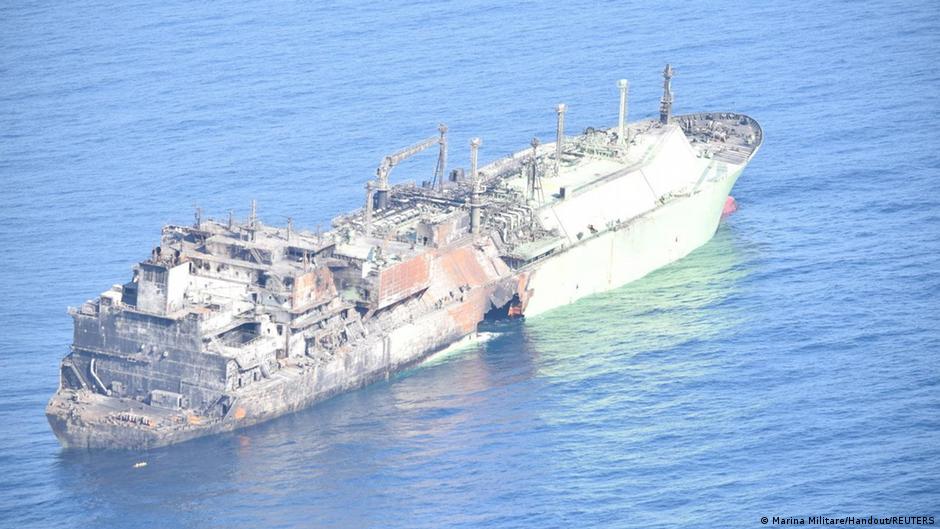
The Arctic Metagaz incident in the Mediterranean in March sharpened concerns over operational and environmental liabilities. The Russian LNG carrier caught fire, forcing Libya, Malta and Italy to manage the crisis independently.
“The Arctic Metagaz incident showed the Russian flag for what it really is: a shield for dangerous vessels, providing no support in the event of a disaster and leaving coastal states to manage risks and consequences,” analyst Luke Wickenden said.
Arctic Metagaz is one of around 10 gas carriers used to transport sanctioned LNG from Russia’s Arctic LNG 2 terminal to the port of Beihai on China’s southern coast. In February 2026, the vessel left the port of Murmansk after loading and was likely heading toward Egypt’s Suez port, according to gCaptain. The ship has been under U.S. and U.K. sanctions since 2024.
The episode illustrates why the registry issue is not only a sanctions story but also a market-risk story. If vessels operate outside established support systems, coastal states may carry more of the burden during emergencies. That can translate into higher regulatory pressure, stricter port controls and potentially higher costs for maritime operators connected to sanctioned energy flows.
Equity investors are likely to watch whether tighter registry coordination leads to further disruption in Russian oil and LNG transport or simply redirects trade through a smaller group of higher-risk vessels. Energy traders, shipping firms and insurers may face a more complex operating environment as the compliance burden moves deeper into vessel identity, flag status and cargo history.
For now, CREA’s data suggest that diplomatic and regulatory pressure is changing the composition of the shadow fleet rather than removing it from the market. The growth of the Russian registry shows how sanctioned trade can adapt, but also how those adaptations become more visible to governments and investors seeking to price geopolitical risk.