US Conducts Defensive Strikes on Iranian Targets Amid Ongoing Ceasefire
US military strikes on southern Iran targets signal cautious defense amid fragile US-Iran ceasefire, impacting market stability and investor sentiment.
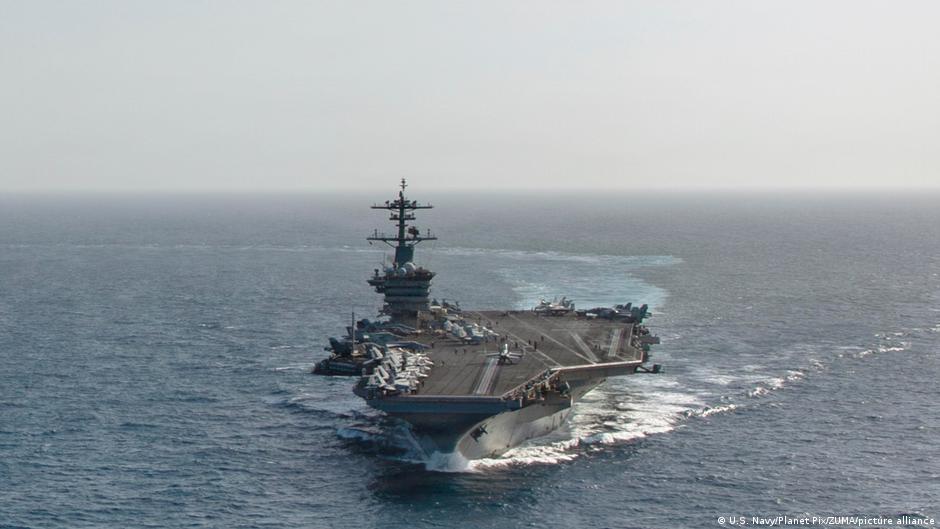
In a significant military move, the United States announced defensive strikes on multiple targets in southern Iran, including missile launch sites and vessels attempting to lay mines, according to a spokesperson for the US Central Command (CENTCOM), Tim Hawkins. The strikes occurred overnight on May 26 and are described as actions taken strictly for self-defense to protect US troops from threats posed by Iranian forces.
CENTCOM emphasized that these operations were carried out with restraint during the existing ceasefire regime, which has been in place since April 8, following agreements between the US and Iran. The official statement highlighted the US military’s commitment to safeguarding its personnel while maintaining a delicate balance to avoid escalating tensions further.
Market Reactions and Investor Implications
The announcement of US military action against Iranian targets has reverberated through global capital markets, particularly affecting equities and bond markets sensitive to geopolitical risks. Investors are closely monitoring developments as the strikes introduce new uncertainty into an already volatile region.
Energy and defense sectors have seen immediate reactions in stock prices, with defense contractors witnessing modest gains driven by expectations of increased military spending and heightened geopolitical risk premiums. Conversely, markets with significant exposure to Middle Eastern energy supplies have experienced increased volatility, given concerns over potential supply disruptions.
Bond markets, especially those linked to emerging markets and commodities, have also reflected increased risk aversion. Investors often seek safer assets during geopolitical escalations, which can lead to shifts in bond yields and capital flows. The US Treasury market showed a slight uptick in demand as a traditional safe haven, while emerging market bonds experienced pressure due to the perceived increase in regional instability.
"The US strikes underscore a delicate balance between maintaining defense readiness and avoiding a broader conflict, which markets are interpreting with caution," said a market strategist.
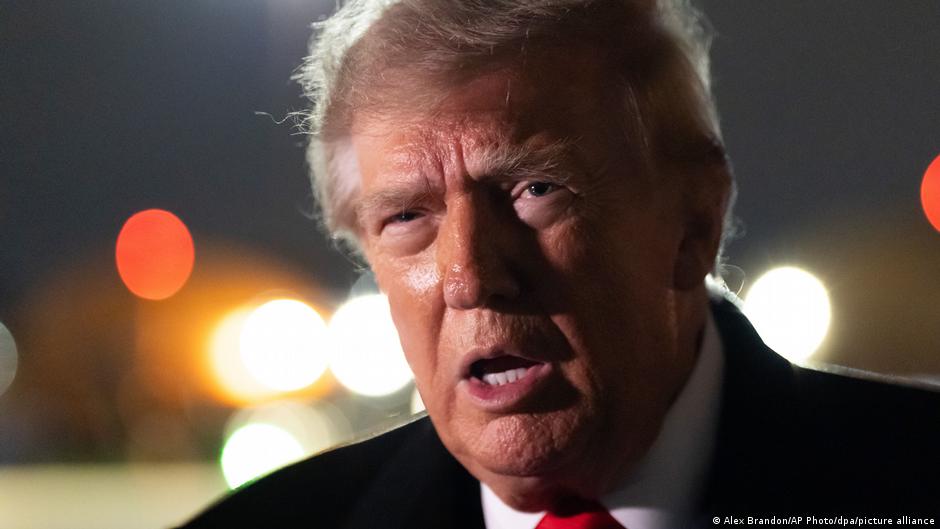
President Donald Trump’s recent statements on the social media platform Truth Social further contribute to market sentiment. On May 25, Trump described ongoing peace talks with Iran as "going wonderfully" but warned that failure to reach a "great deal for all" could result in a return to intensified conflict. His comments underscore the fragility of the current ceasefire and hint at potential volatility ahead.
For investors, these developments reinforce the importance of monitoring geopolitical risk factors that can affect asset prices and portfolio stability. Diversification and strategic asset allocation remain critical strategies during such periods of uncertainty.
As the situation evolves, market participants will continue to assess the implications of US military actions and diplomatic efforts on regional stability, energy markets, and global economic outlook.